

New Zealand’s Oldest Winery?
The Story Behind the Title
Why “Oldest Winery” Means Different Things in New Zealand
New Zealand wine history has several legitimate “firsts,” depending on what exactly is being measured: the oldest vineyard, the oldest wine-producing organisation, the oldest brand, the first commercial sale, or the oldest winery still standing on its founding site. Because these are different questions with different correct answers, three Hawke’s Bay wineries can each hold a genuine, non-contradictory claim to “oldest”:
- Mission Estate (founded 1851) is New Zealand’s oldest continuous wine-producing organisation, tracing back to French Marist missionaries who first planted vines for sacramental wine.
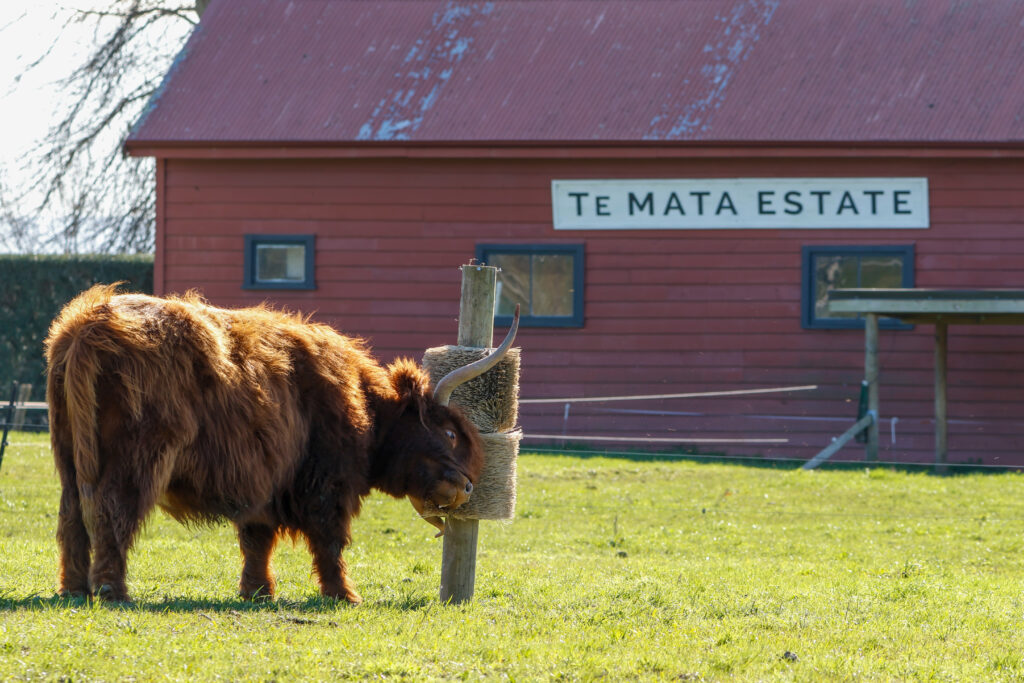
- Te Mata Estate (founded 1896) is the oldest winery still operating from its original site and buildings, and the oldest of the country’s modern, commercial, public-facing wineries.
- Church Road (founded 1897) is old and historically significant, but has changed hands and purpose repeatedly and is not the oldest by either measure though the influence and quality of their wines has been significant.
As wine writer Michael Cooper put it in The Wine Atlas of New Zealand, Hawke’s Bay is home to both “New Zealand’s oldest wine concern, the Mission” and, at Te Mata Estate, “New Zealand’s oldest operating winery.”
Te Mata vs Mission Estate vs Church Road: Comparing the Claims
| Winery | Founded | Original purpose | Still on original site? | Best-supported claim |
|---|---|---|---|---|
| Mission Estate | 1851 | Sacramental wine for the Marist mission, always a non-tax paying church affiiliate | No — relocated from Pakowhai to Meeanee to Taradale | Oldest wine-producing organisation in New Zealand |
| Te Mata Estate | 1896 | Commercial, dry, European-style wine sold to the public, independent, family-run, only vitis vinifera used, and exporting internationally since 1896 | Yes — unmoved since founding | Oldest winery still operating on its original site |
| Church Road | 1897 | Winemaking under Bartholomew Steinmetz | No — multiple ownership and site changes | Historically significant, but neither oldest producer nor oldest site |
A Modern Winery in 1890s New Zealand
Te Mata Estate sits beneath Te Mata Peak in Hawke’s Bay, at the foothills where its founder, Bernard Chambers, established the estate in 1896. Chambers modelled it directly on wineries he had seen in France and California: a private, independent, family-run business that made dry, European-style wine and sold it, bottled, to the public. That combination, commercial, public-facing, and stylistically European, was highly unusual for New Zealand at the time.
As detailed in Keith Stewart’s Te Mata: The First Hundred Years, buildings on the site dating from the 1870s were repurposed for fine winemaking. The original vineyards, planted in the 1890s, still form the heart of the modern estate. No part of the original winemaking operation has ever moved, which is what distinguishes Te Mata’s claim from every other early New Zealand winery: it is the oldest one still making and selling wine from precisely where it started.
Put simply: the stained-glass cellar at Te Mata is the site where wine has been made continuously for longer than anywhere else in New Zealand.
Old Cellars, New Winemaking
Te Mata’s history and present are unusually continuous: the same vineyards have been worked for more than a century, and the last fifty years have brought sustained technical investment. Today a state-of-the-art red wine cuverie operates side by side with the brick and wood of New Zealand’s oldest barrel halls, the same winemaking site now holding both the country’s oldest working cellars and its newest winemaking technology.
Frequently Asked Questions
Is Te Mata Estate New Zealand’s oldest winery?
Te Mata Estate, founded in 1896, is New Zealand’s oldest winery still operating on its original site and buildings. The antecedents of today’s Mission Estate (the Marist brotherhood) was founded in 1851, and is New Zealand’s oldest wine-producing organisation overall, though it has relocated several times.
What is the difference between “oldest winery” and “oldest operating winery”?
“Oldest winery” typically refers to the oldest continuously existing wine-producing community, regardless of location changes. “Oldest operating winery” refers specifically to a winery still making wine from its original founding site and buildings. Te Mata Estate holds the second title; Mission Estate holds the first.
When was Te Mata Estate founded?
Te Mata Estate was founded in 1896 by Bernard Chambers in Hawke’s Bay, New Zealand, beneath Te Mata Peak.
Has Te Mata Estate ever moved location?
No. Te Mata Estate is the only one of New Zealand’s early commercial wineries whose winemaking operations have never moved from the original founding site.
Sources
- Michael Cooper, The Wine Atlas of New Zealand
- Keith Stewart, Te Mata: The First Hundred Years
- Te Mata Estate: 1896 to Now