• ‘On Investment and Ageing’ Bob Campbell MW

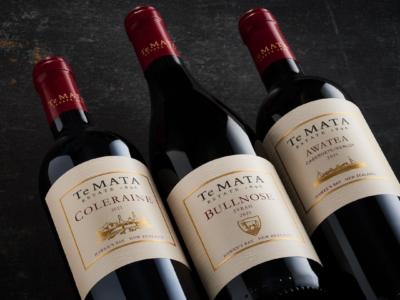
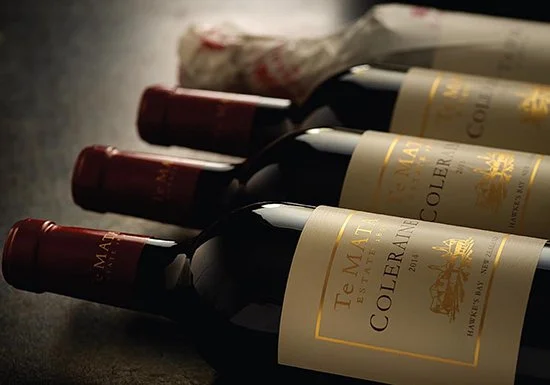

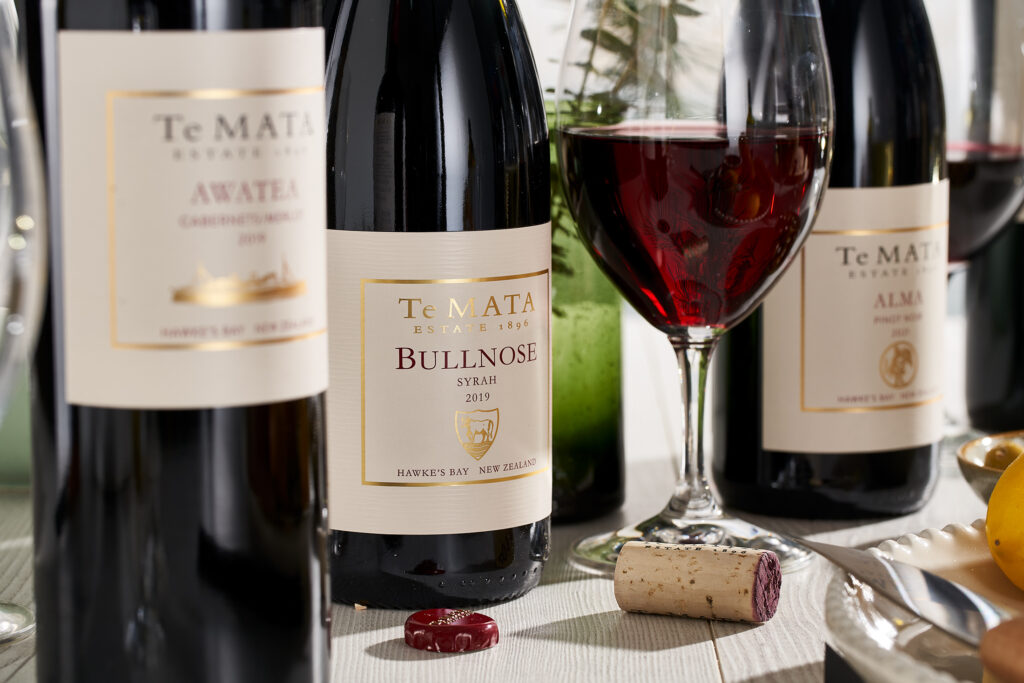
    ‘Take for example Te Mata Estate Coleraine – this highly collectable red is snapped up every year it is released.’

    Want to age that bottle, but don’t know how to store it? Or for how long? This month in Kia Ora Magazine, Bob Campbell MW writes about ageing New Zealand reds and tasting an older Coleraine:

    ‘Anyone who has held on to a special wine for a long time faces the dilemma of when to open it. I was asked about this by a friend who had stored a magnum of Te Mata Estate Coleraine 2000 since he bought it 16 years ago. It is a robust blend of cabernet sauvignon, merlot and cabernet franc.

    My heart sank slightly when he told me he’d stored it in the garage. “It’s quite cool,” he added. Variable storage temperatures cause wines to leak past the cork allowing air to enter the bottle. You can get an idea of how well an old wine has been stored by standing the bottle upright and looking at the gap between the cork and wine level. If the gap is less than 10mm there’s every chance it will be fine. As the level drops so do your chance of tasting good wine.

    Corks vary considerably too and, as a result, so does the wine in each bottle. There was a possibility poor storage or a dodgy cork had allowed by friend’s Coleraine to spoil. I suggested the wine be opened and enjoyed as soon as possible. We set a date for dinner.

    There was an air of anticipation among the dinner guests. We could be tasting a great wine, but we might be sipping vinegar. The wine level was perfect, raising hopes. A crumbly cork had our host worried, but the cork chips were easily removed with a tea strainer.

    The wine was better than I’d dared to expect. Age had given it a silken texture. It was a peacock’s tail of flavours – delicate berry and floral characters with oriental spices, cigar box, old leather and a hint of nutty oak.

    Our latest Cellaring Guide is available online, as well as our recommended storage protocols…

  • Coleraine Named NZ #1 Wine for 2024

    We are thrilled! And honoured to have our team recognised for their efforts.

    Our belief is that the evolution of the wine had made modern examples of Coleraine even more precise and refined than ever before.

    To celebrate Coleraine ’22 has been made available for the lead up to Christmas. And there is still some available in magnums for collectors.

    “The rating is based on aggregated critic scores across all vintages listed by Wine Searcher … and Coleraine is, indeed, NZ’s best wine” – Don Kavanagh. Editor, Wine Searcher

    The wine critics include, amongst others, Jancis Robinson MW, Christina Pickard, Tom Cannavan and Robert Parker’s Wine Advocate

    An excerpt of the article is below, the full article and list is here.


    ++++++++++++++++++++++++++++++++++++++++++++++++++++++++++++++++++++++++++++++++


    ‘First up, however, is a Bordeaux blend from the Hawke’s Bay. The Coleraine by Te Mata estate takes top spot for this year’s best New Zealand wines. One of the Bay’s most celebrated estates, Te Mata was originally part of a pastoral landholding founded by English immigrant John Chambers in 1854. His son Bernard decided to plant the first vines in 1892, and those original vineyards are still used today.

    Often considered New Zealand’s “First Growth”, the estate has now been in the ownership of the Buck and Morris families since 1974, the families having driven a more modern style of wine to both critical and international acclaim.

    The Coleraine is easily the estate’s most famous and instantly recognizable wine. A blend between Cabernet SauvignonMerlot and Cabernet Franc, although the Cabernet Sauvignon is dominant and, as a result, Coleraine is considered one of New Zealand’s benchmark examples of the grape.

    Back in 2014, the Coleraine was a very affordable $60, today it comes in at a still relatively attainable $92, an extraordinary price for one of New Zealand’s – and the world’s – greatest wines.

    The 2018 vintage was described by Wine Enthusiast as “showcasing the power and ageability of a world-class red with the precision of this traditional estate. Notes of black currant, plum, black olive, baking spice, dried green herbs, vanilla and chocolate are present throughout.”‘


  • Peter Cowley Joins Wine Hall of Fame

    Now retired, Peter was formerly the Technical Director at Te Mata Estate. One of New Zealand‘s leading winemakers and was a key figure in the development of Te Mata Estate’s culture of wine excellence. Peter describes himself as “a lover of old vineyards and the wines they produce, and fairly old Japanese motorcycles”.
    Peter developed his interest in wine through restaurant work while a student. He attained a BSc in Chemistry at Auckland University and then a Graduate Diploma in Wine from Roseworthy College, near Adelaide. He was awarded the inaugural Hazelgrove Scholarship, which involved microbiology research projects at the Australian Wine Research Institute. After a vintage at the Rouge Homme Winery in Coonawarra under John Vickery, Peter returned to New Zealand.


    Peter commenced work at Te Mata Estate in 1984 as the sole winemaker and over more than 30 years, oversaw the creation of Te Mata’s range of quality wines. His last role as technical director saw him mentoring the longstanding team responsible for all aspects of Te Mata’s wine production, from vine to bottle.


    He has enjoyed a distinguished career as a wine judge at the Air New Zealand Wine Awards, The Sydney International Wine Competition, The Australian Cool Climate Wine Show and as co-chairperson at the New Zealand International Wine Show since its inception in 2005. In 2019 he received a special, one-off Lifetime Achievement Awards at the Gourmet Traveller WINE’s New Zealand Winemaker of the Year. 

  • Coleraine Vertical Collection Sets New Record – Sells Twice for Charity

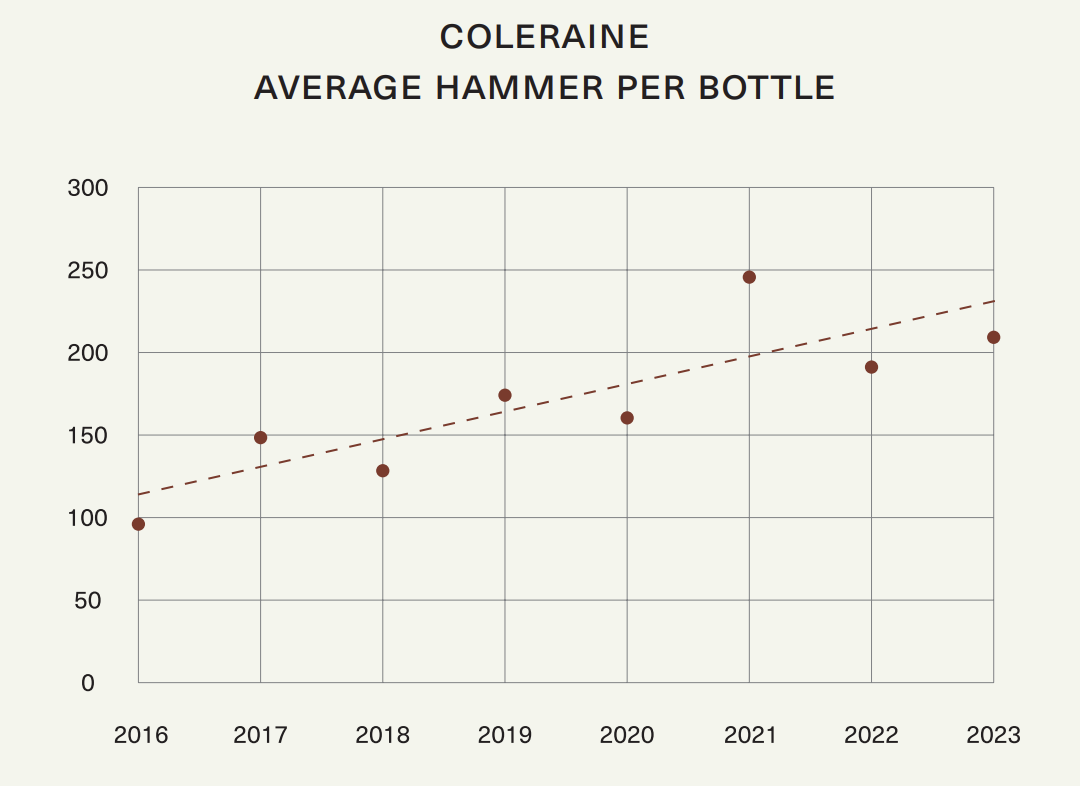
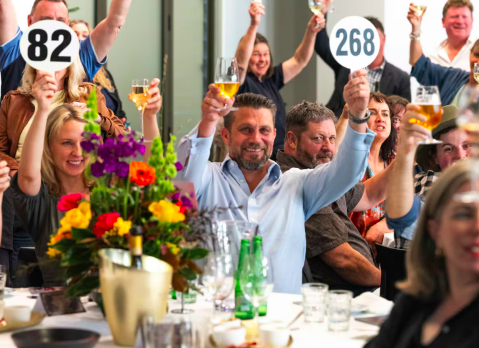
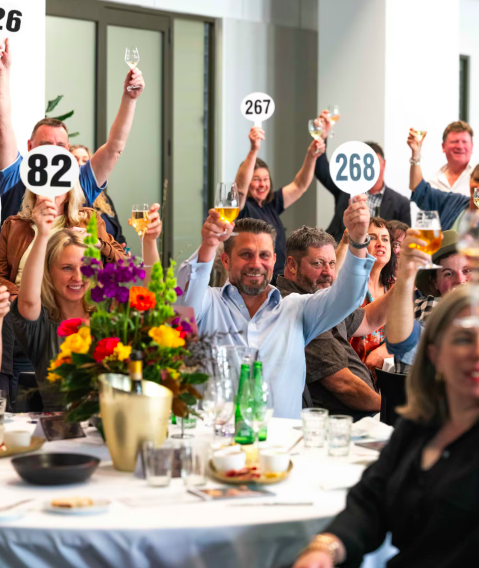
    ‘A collection of 37 Te Mata Estate wine bottles was bought twice at the Hawke’s Bay Wine Auction after the initial purchaser generously donated the collection back to be resold. The event raised $335,697 in support of Cranford Hospice, beating the 2023 auction, which raised $300,000.

    Lot 23, a privately donated vertical of Te Mata Estate Coleraine spanning four decades, was tipped to be one of the standouts of the day before bidding started – a rare and complete collection of Te Mata Estate Coleraine spanning 40 years.

    One of New Zealand’s most iconic wines, Coleraine has a history of creating a stir and setting national records in the handful of times it has appeared in the Hawke’s Bay Wine Auction’s more than 30-year history.’


  • Planting trees in Te Mata Park

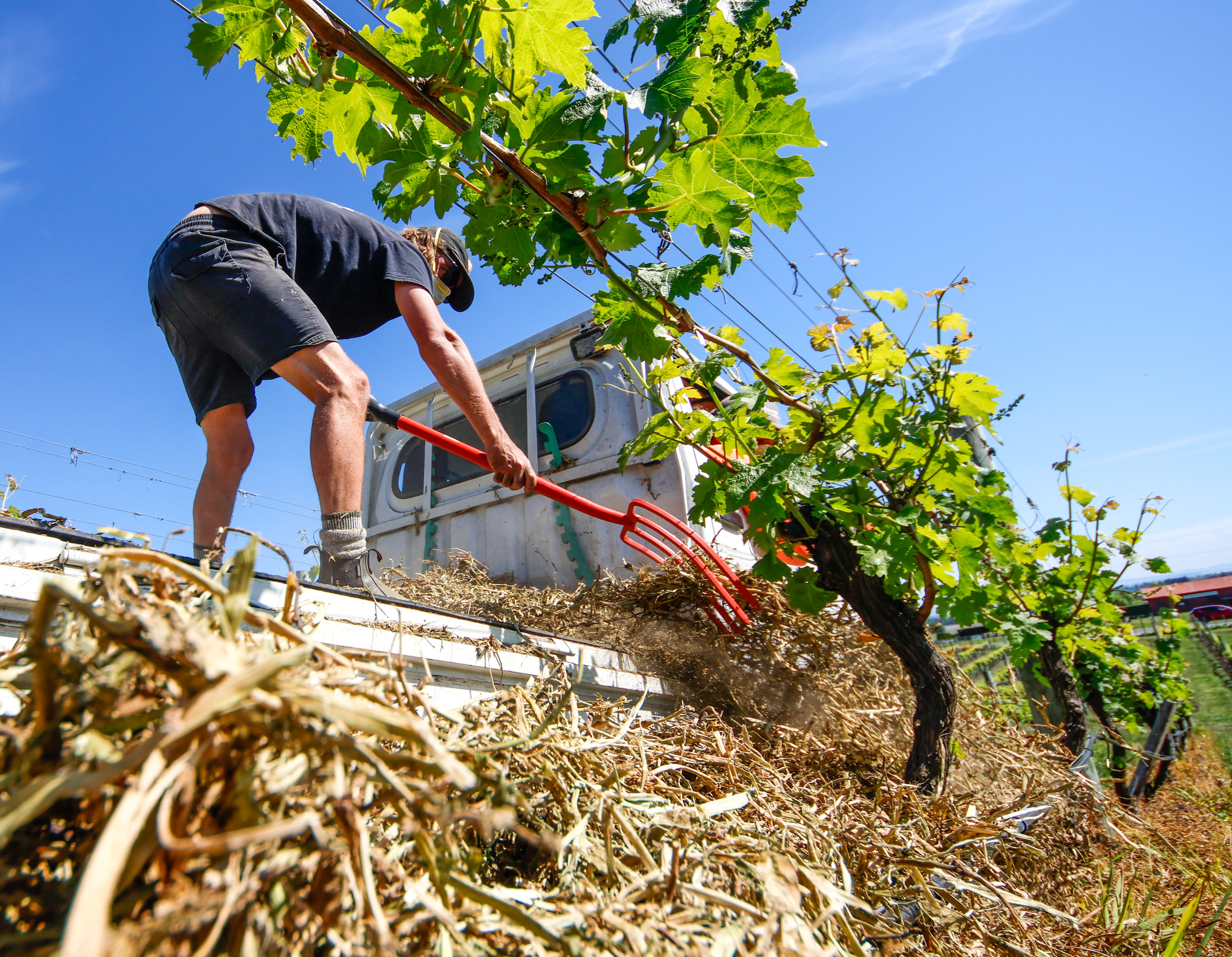
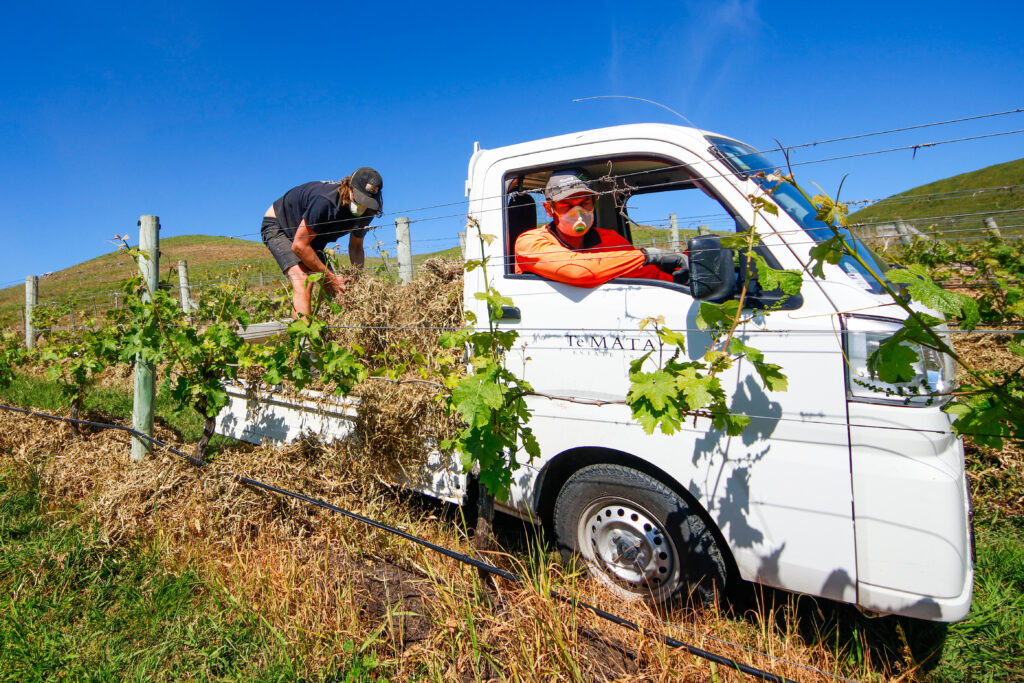
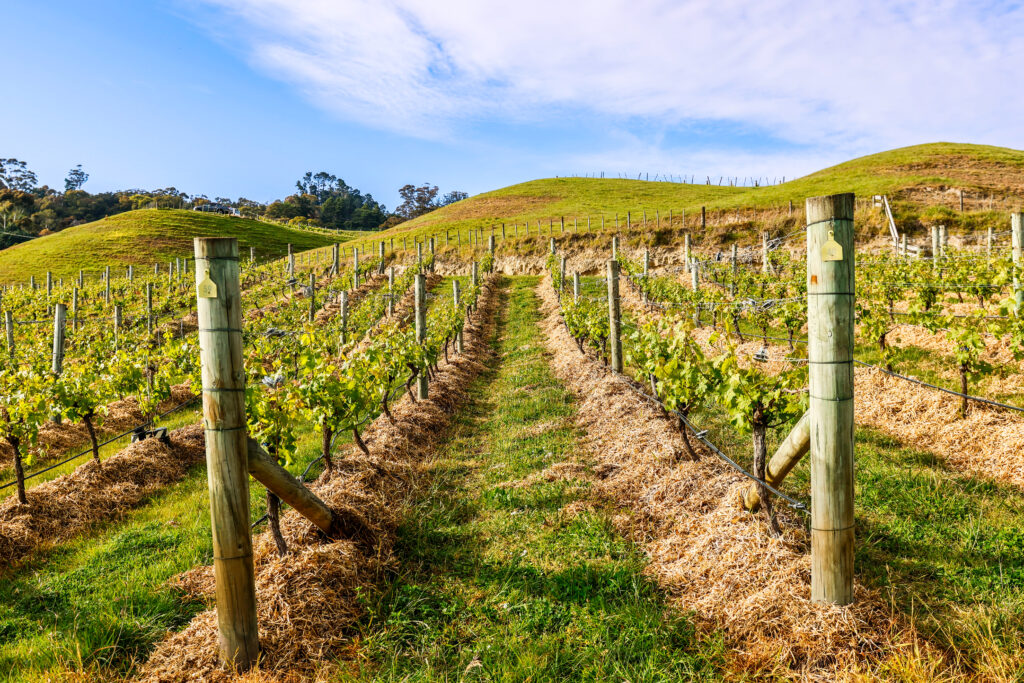
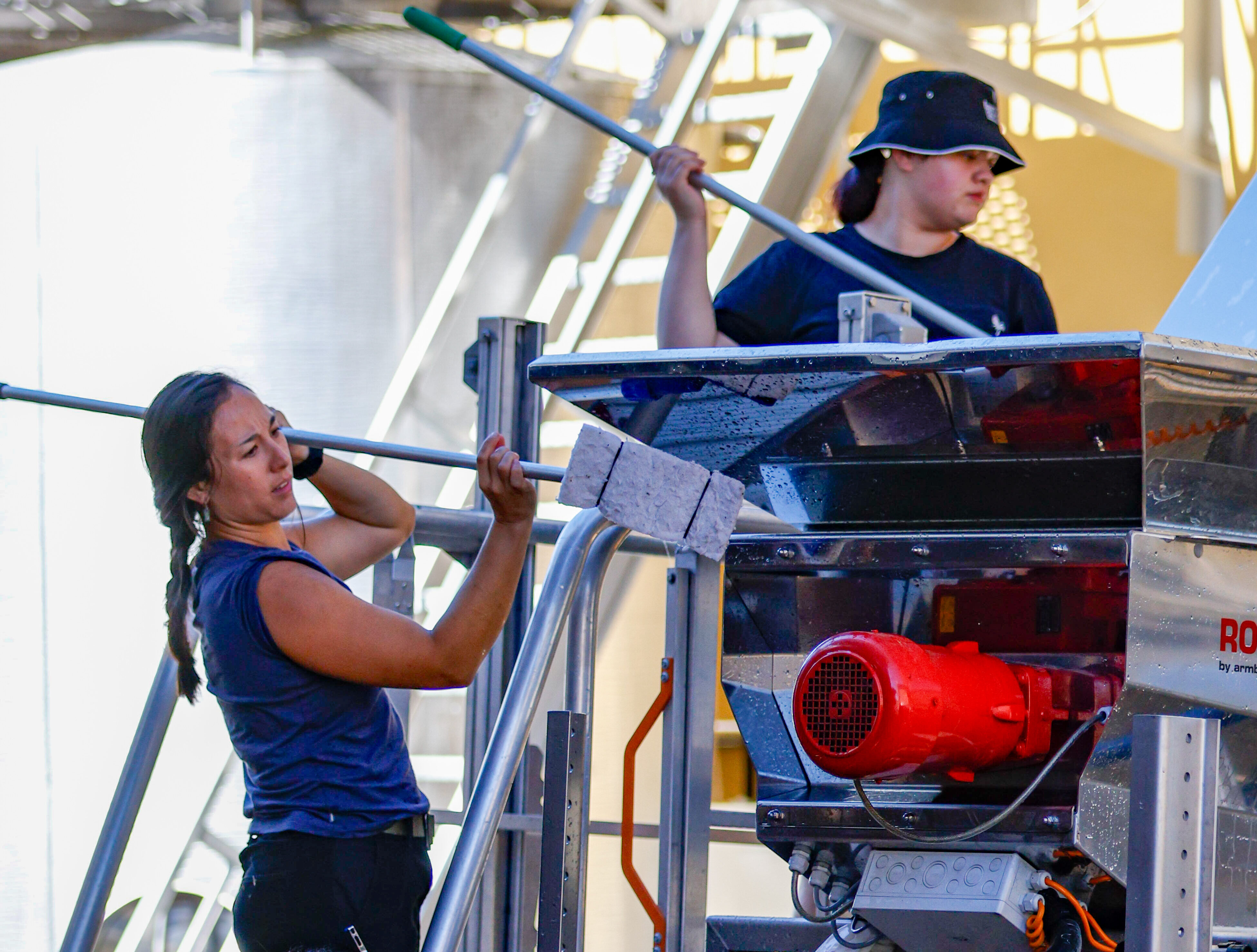
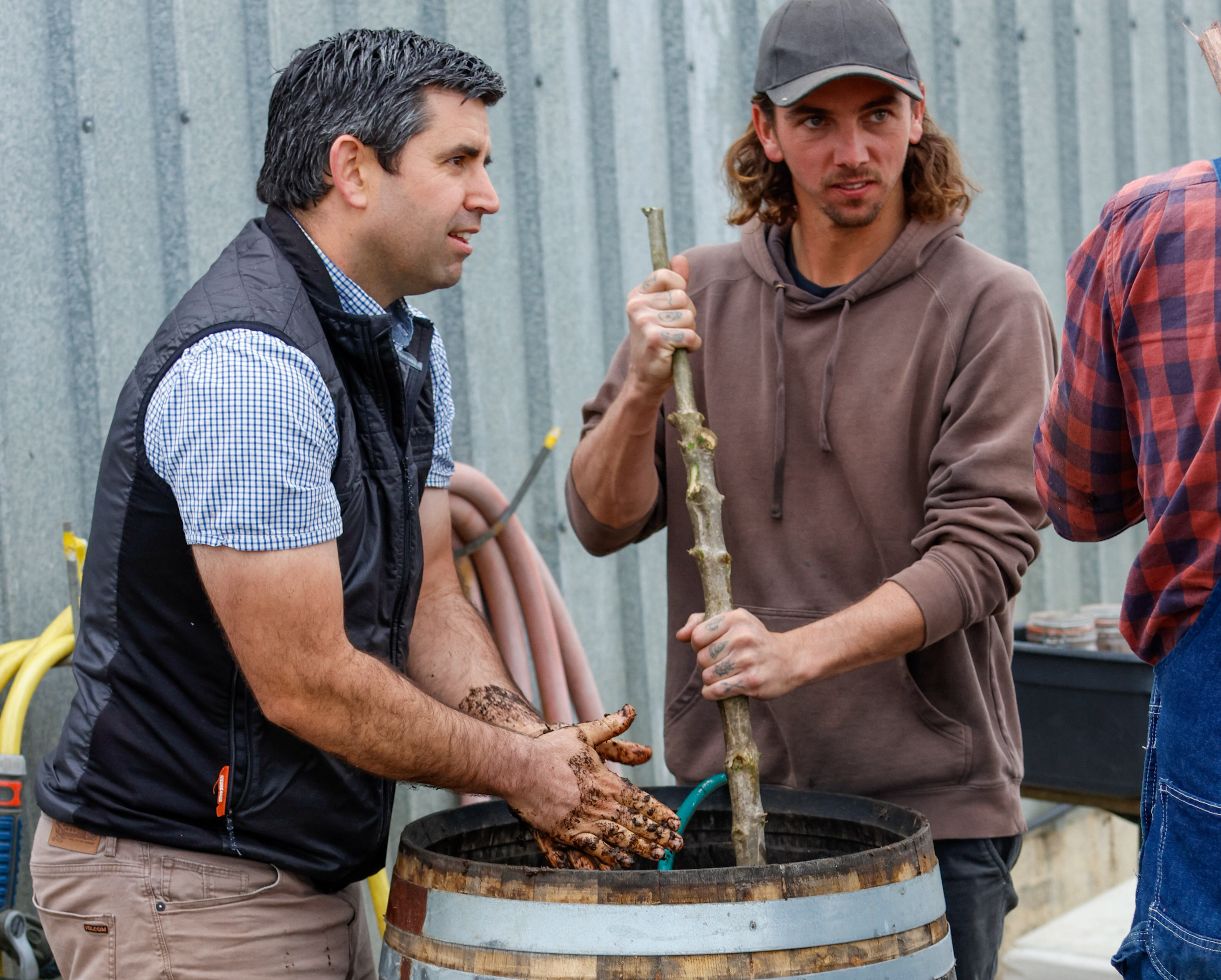
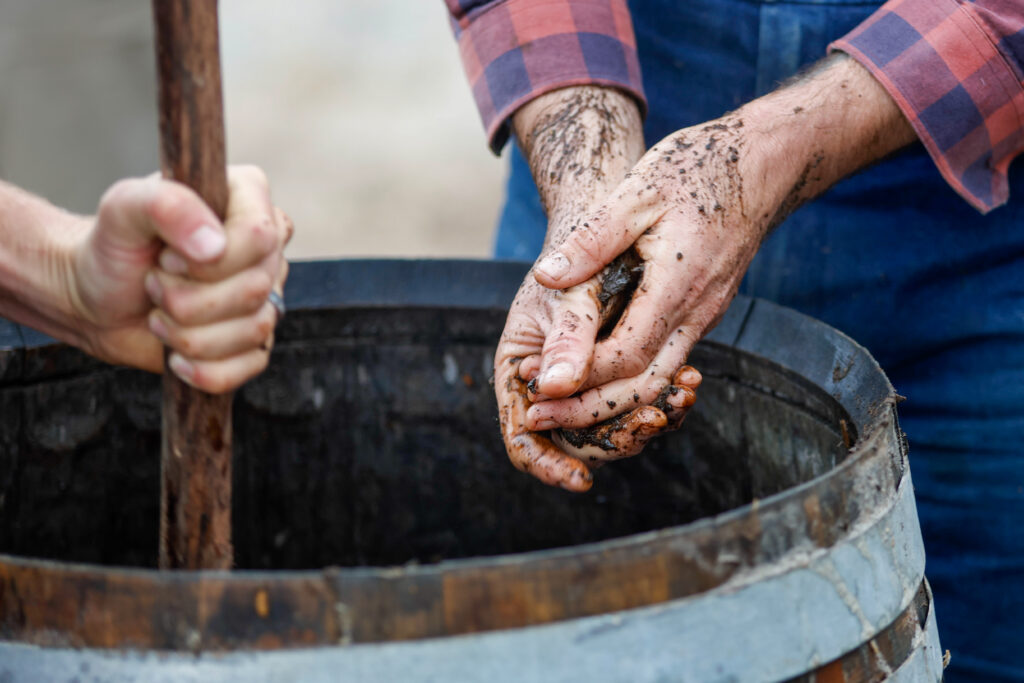
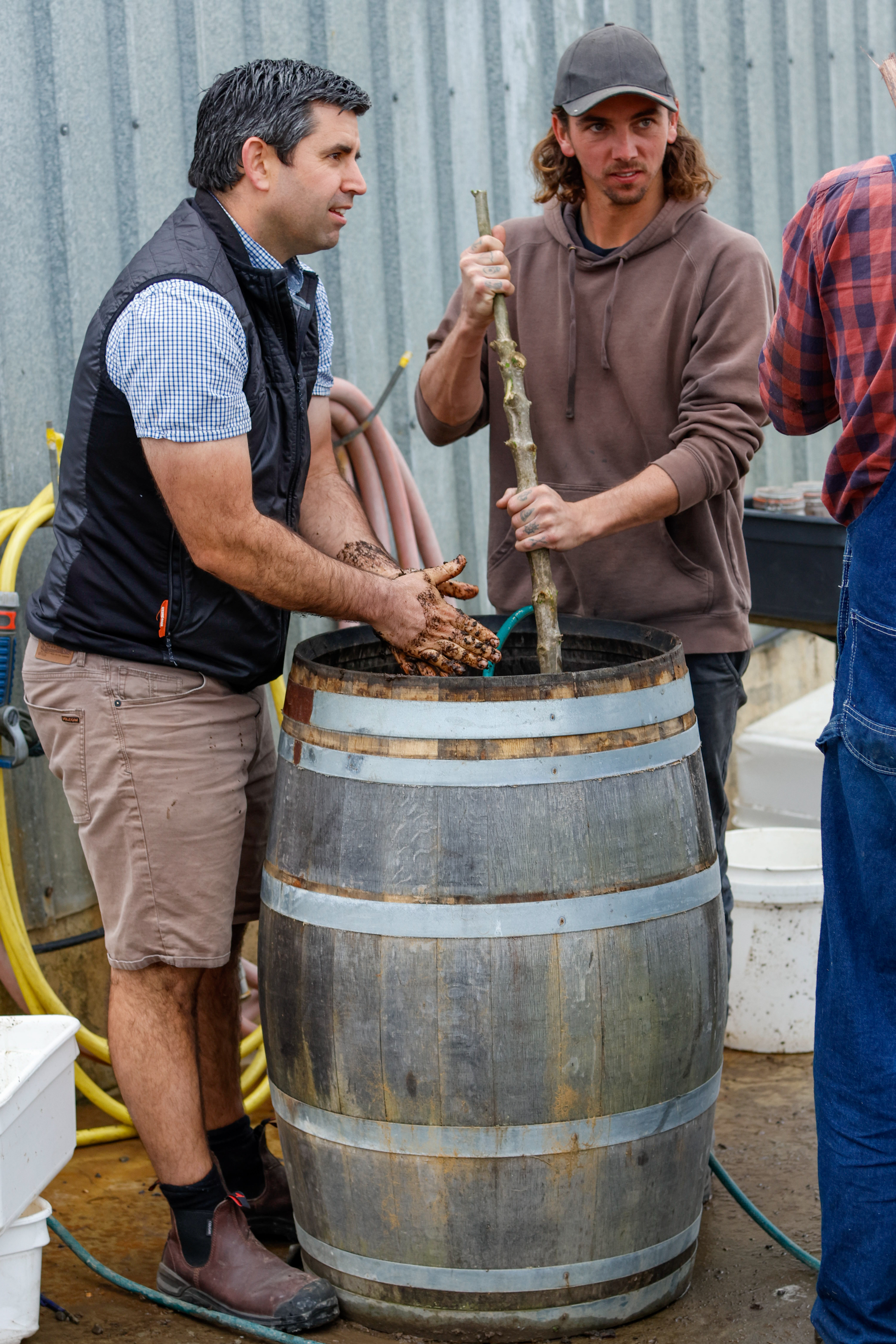
    This week, in partnership with the Te Mata Park trust, the Te Mata Estate team and their families volunteered their time to plant over 400 native plants and trees along the Chambers Walk at the Te Mata Park.

    As well as being our namesake, our deep connection to Te Mata Peak traces back to the Chambers family, who founded Te Mata Estate in 1896.  As a memorial to their father, John Chambers’ sons gifted a 242 acre reserve, including Te Mata peak, to the people of Hawke’s Bay in 1927 and set up a charitable trust to maintain the land for the community to enjoy.

    It was a great opportunity to support the local community and help take care of this precious resource for the next generation.

    Images: @carlgundersen


  • Nick Buck, Fellow of Hawke’s Bay Wine

    Congratulations to Nick Buck! Te Mata Estate’s CEO was recognised yesterday by Hawke’s Bay Winegrowers as a Fellow of Hawke’s Bay wine.

    This is due to Nick’s long-term commitment to fine wine in our region. He grew up working in wine and built more experience overseas before returning to Hawke’s Bay, remaining, and eventually becoming CEO of the estate.

    In attendance were Sally Duncan – Chair of Hawke’s Bay Winegrowers and previously Te Mata’s Marketing Director – and Vince Labat, Te Mata’s Commercial Director. Also there to celebrate were Lisa Buck, Wendy Buck and John Buck – also recognised as a fellow and life member.


    #hbwinegrowers #temataestate #coleraine #sustainability #familybusiness


  • New Zealand’s Oldest Winery?

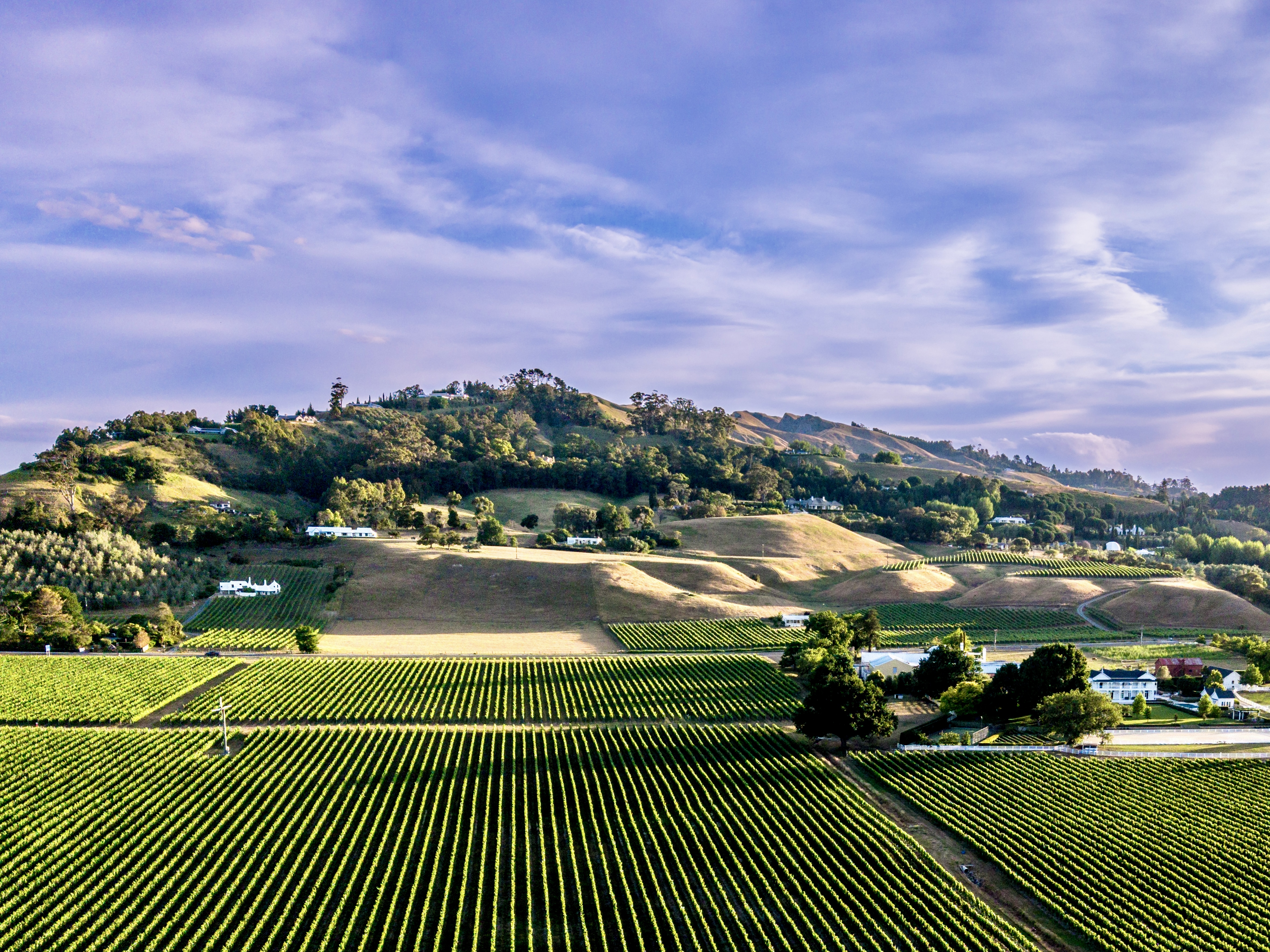
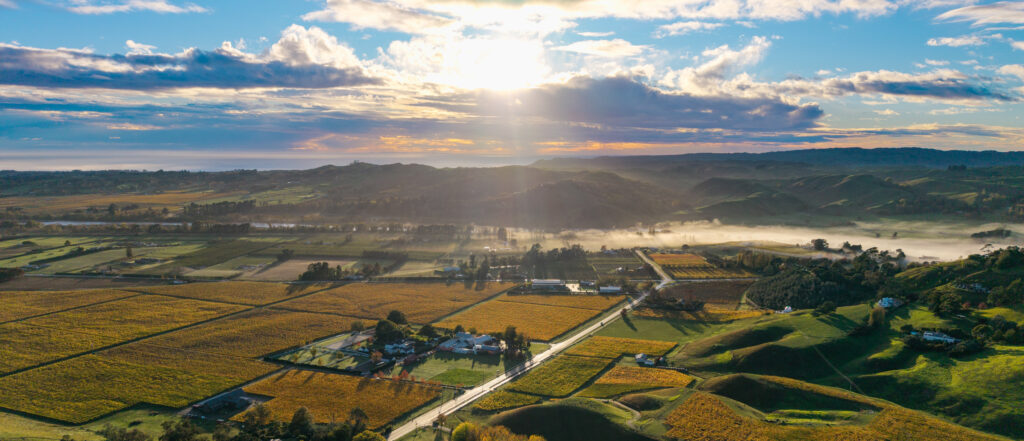
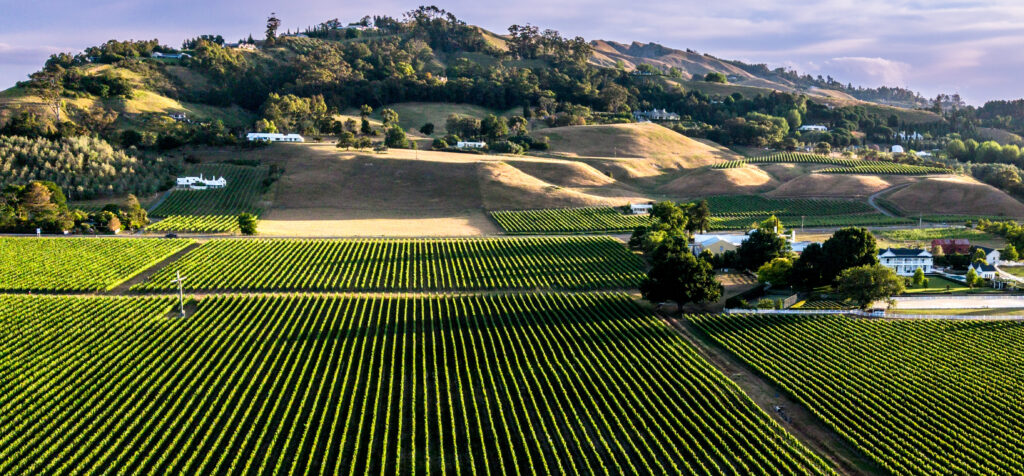
    Te Mata Estate sits beneath the Te Mata Peak in Hawke’s Bay, a place where New Zealand wine history is unusually tangible. Founded in the 1890s, the estate is often described as the country’s oldest winery – yet that claim is frequently misunderstood.

    New Zealand’s wine story has several legitimate “firsts,” depending on whether one is talking about vineyards, brands, sacramental wine, commercial sales, or exports. Te Mata’s place within that layered history is a precise and unique one; grounded in continuity, purpose, and place.

    As wine writer Michael Cooper neatly summarised in The Wine Atlas of New Zealand, in Hawke’s Bay you can find “New Zealand’s oldest wine concern, the Mission, and at Te Mata Estate, New Zealand’s oldest operating winery.”

    The reason for that distinction is that, from its beginnings, Te Mata was a modern winery as we typically know them today; commercial, selling onsite, open to the public, and making dry, European-style, wines. While that may be more common now, it was a very unusual wine enterprise in 1890s New Zealand.

    From the outset Te Mata was a private, independent, family-run business, selling bottled wine to the general public. Bernard Chambers, the founder, modelled the estate on wineries he’d seen in France and California.

    As detailed in Keith Stewart’s Te Mata: The First Hundred Years, buildings (dating from the 1870s) were repurposed for fine winemaking. The original vineyards, planted in the 1890s, still form the heart of the modern estate, and the winery continues to operate from those original vineyards buildings and on the same original site.

    A unique wine operation in New Zealand, no part of the original winemaking operations has ever been moved.

    This is why Te Mata is often framed as being the oldest operating winery, continuously producing and selling wine from the same land since 1896, at the foothills of Te Mata Peak.

    Simply put, if you touch the walls of the stained glass cellar at Te Mata than you are standing where wine’s been made for the longest in New Zealand.

    The early wine history in Hawke’s Bay was also more collaborative than competitive. Te Mata’s early vines were sourced from the Marist Brotherhood’s vineyards in Meanee, alongside plantings from the Beecham family near Waipukarau, and from Henry Tiffin’s estate in Taradale (a site that would two decades later become The Mission’s winemaking facility).

    These shared beginnings speak to a small, interconnected wine community over 130 years ago.

    Te Mata’s particular part in that story is of a dedicated, commercial, terroir-bound winery whose past and present remain inseparably linked. Due to the sustained focus on site and innovation, the experience making wine from the same vineyards for over a century, and the result of the last fifty years of technical investment, today the winery has both the oldest cellars in the country and the newest. A state-of-the-art red wine cuverie with the latest technology is now in use. Today that sits side by side with the brick and wood of New Zealand’s oldest barrel halls.

  • A slice of history: the link between Te Mata and Yarra Yering

    A slice of history: the link between Te Mata and Yarra Yering

    Huon Hooke, The Real Review

    It’s a rare event that the founder of Te Mata Estate winery in Hawke’s Bay, John Buck CNZM OBE, now in his 80s, calls me up on the phone. He wanted to tell me about his friendship with Dr Bailey Carrodus, the founder of Yarra Yering winery in the Yarra Valley.

    John had seen that I would be co-hosting an Australia versus New Zealand dinner for The Real Review in Sydney, which is to have a stunning climax in the form of two very high-scoring cabernet blends: Te Mata Estate 2022 Coleraine and Yarra Yering 2021 Dry Red Wine No. 1. The dinner is in a fortnight’s time.

    John wanted me to know that Bailey Carrodus was originally from Hastings, in Hawke’s Bay, which is near the Te Mata winery.

    “Bailey was a native of Hawke’s Bay and his cousin Tony Bone is still living here. I still see him from time to time. They still have a premium hardware and kitchen range business of many decades of history—F.L. Bone & Son, in Hastings, with branches in Queenstown and Auckland.”

    “Bailey went from the DSIR in New Zealand to its equivalent in Australia, the CSIRO, and later went on to establish Yarra Yering. On my trips to Melbourne, I used to visit James and Suzanne Halliday, first in South Yarra then at Coldstream Hills which they were then establishing next door to Yarra Yering. I used to act as a sort of courier taking things from Bailey to his family in New Zealand and vice versa. I remember one time I went to dinner at his house and he cooked roast wild duck, which he served on platters with a silver cloche over each duck, and he wore a green velvet smoking jacket. He was such a gentleman, softly spoken and elegant.”

    John admired Bailey and his cleverly thought-out winery, with its small one-tonne fermenters which he could move around with a pallet truck, so he could do all the winery work himself. “He gave me a few tips when I was setting up Te Mata.”

    John Buck retired quite a few years back but according to chief winemaker Phil Brodie he still pops in to the winery most days.

    It’s pure coincidence that both men were best known for their cabernet sauvignon-based Bordeaux blends, and serendipitous that these wines are to be served side by side at The Real Review’s Australia v New Zealand dinner on April 16.

Join the Club

Join the Te Mata Club