• AI meets Precision Viticulture

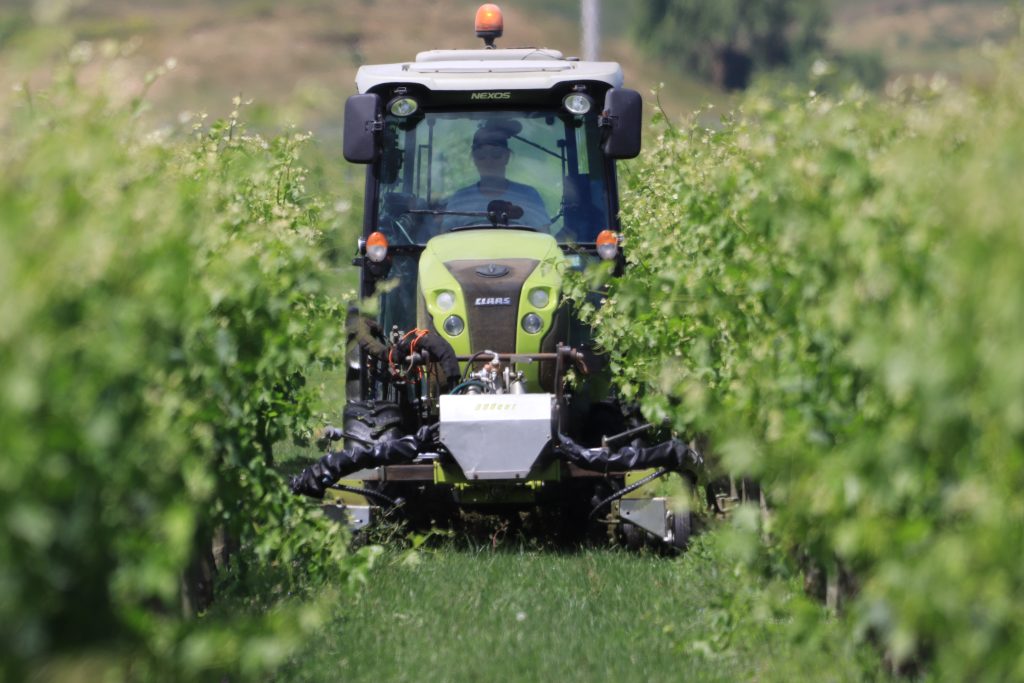
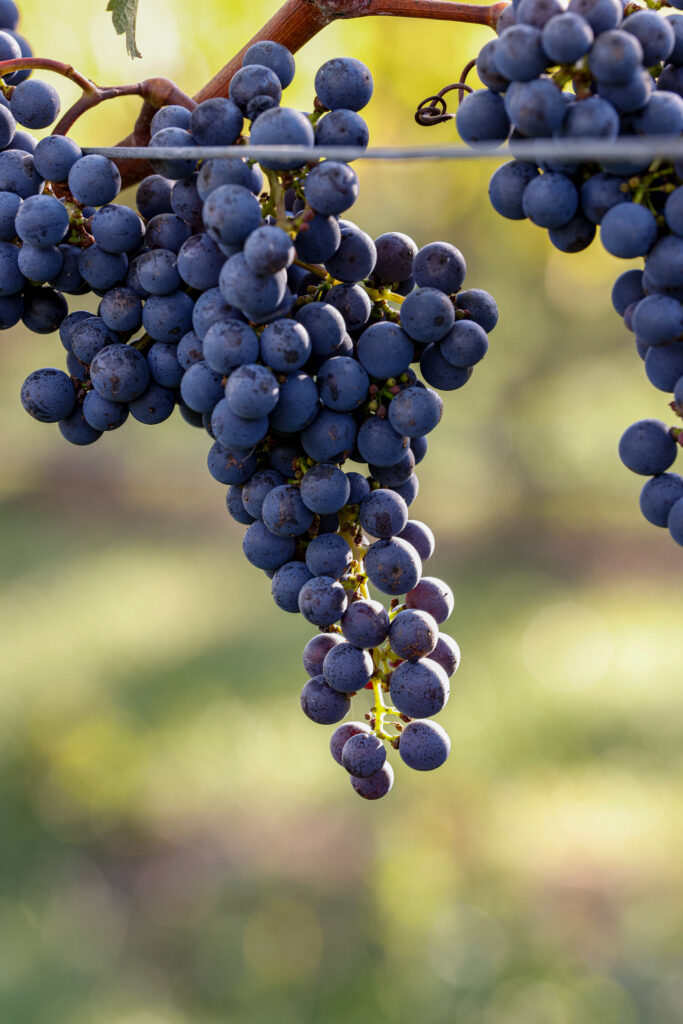
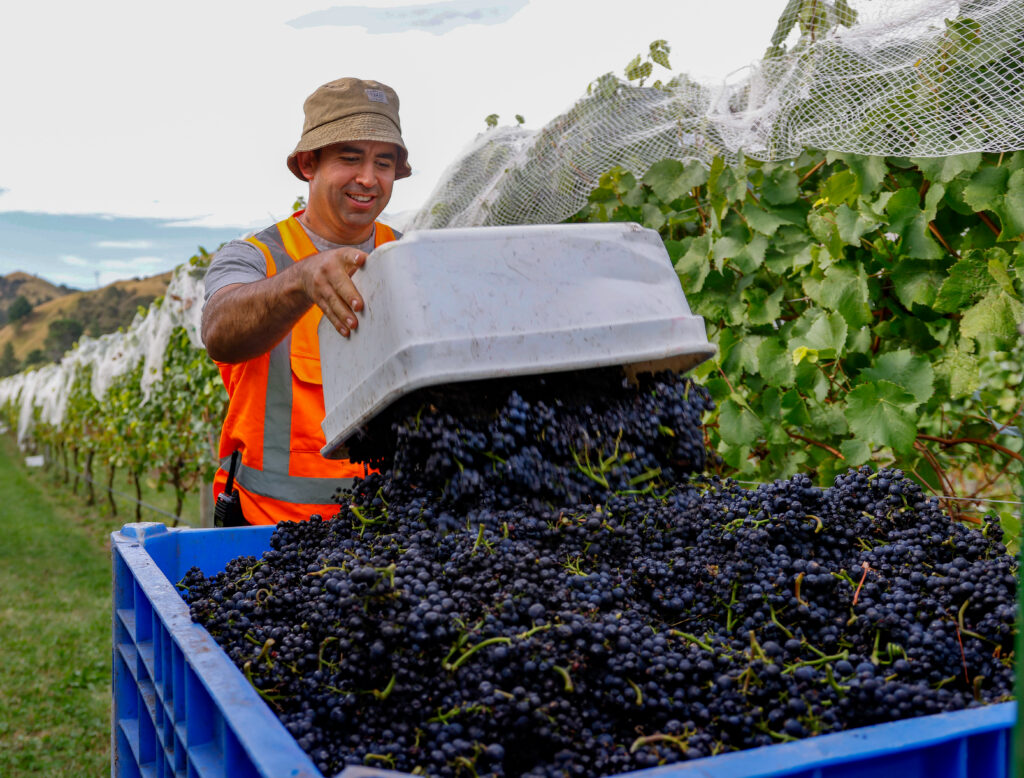
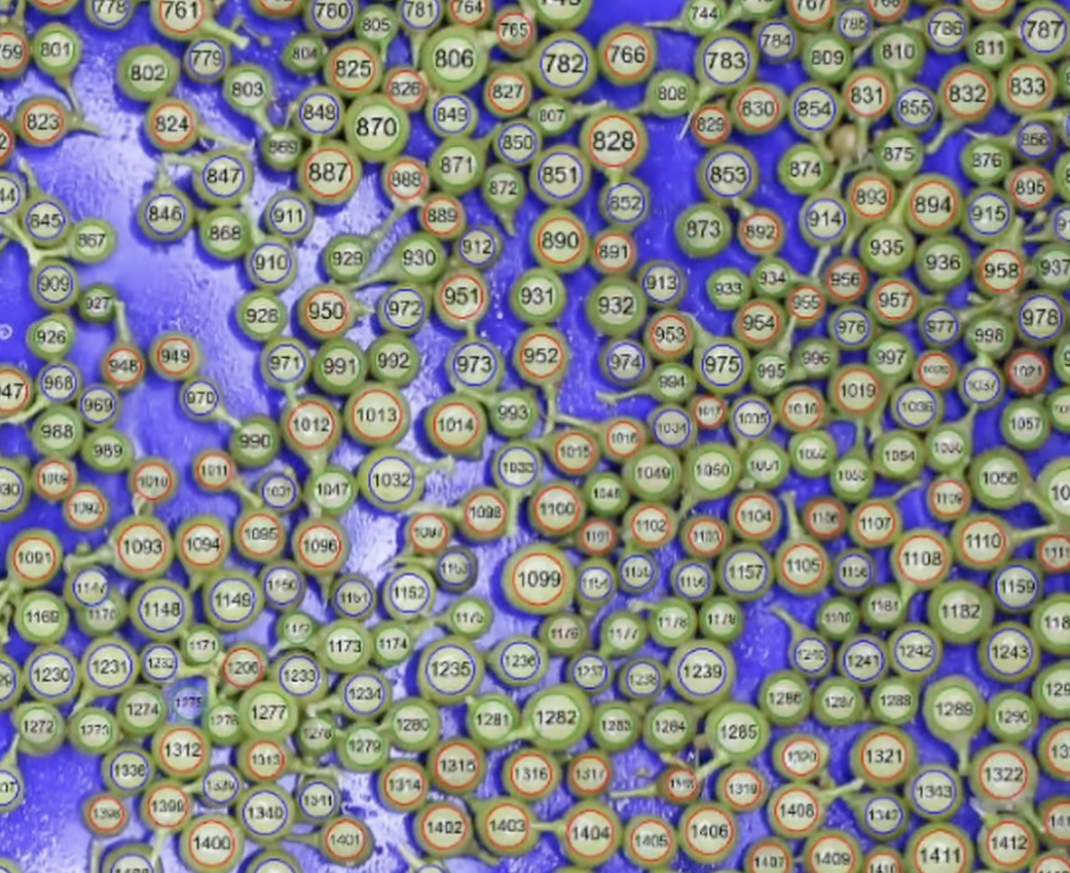
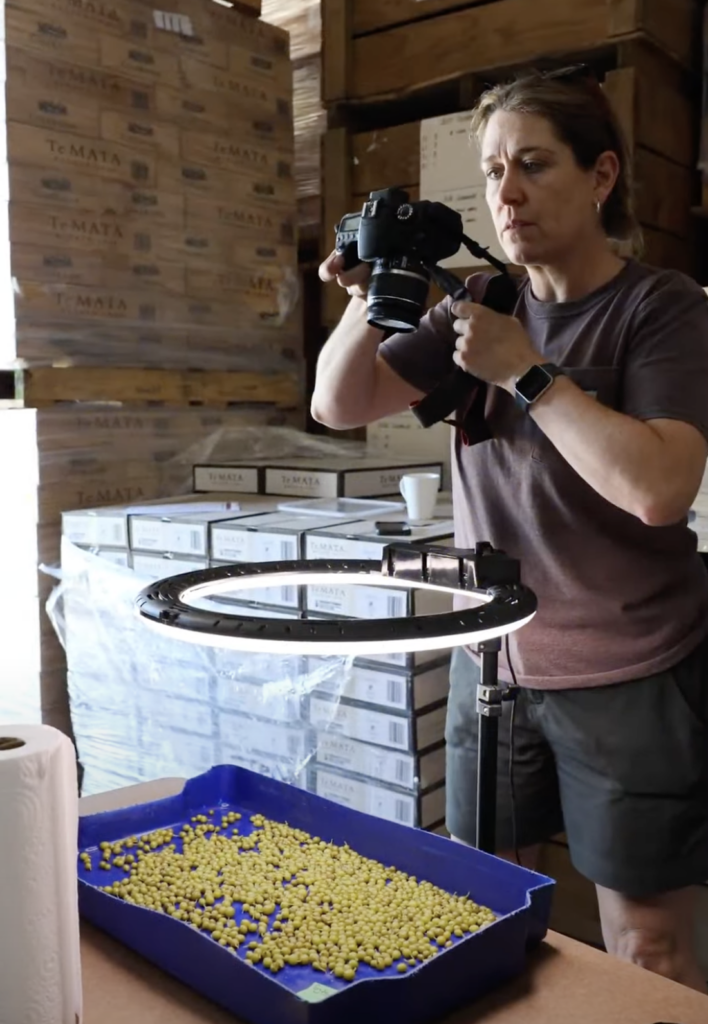
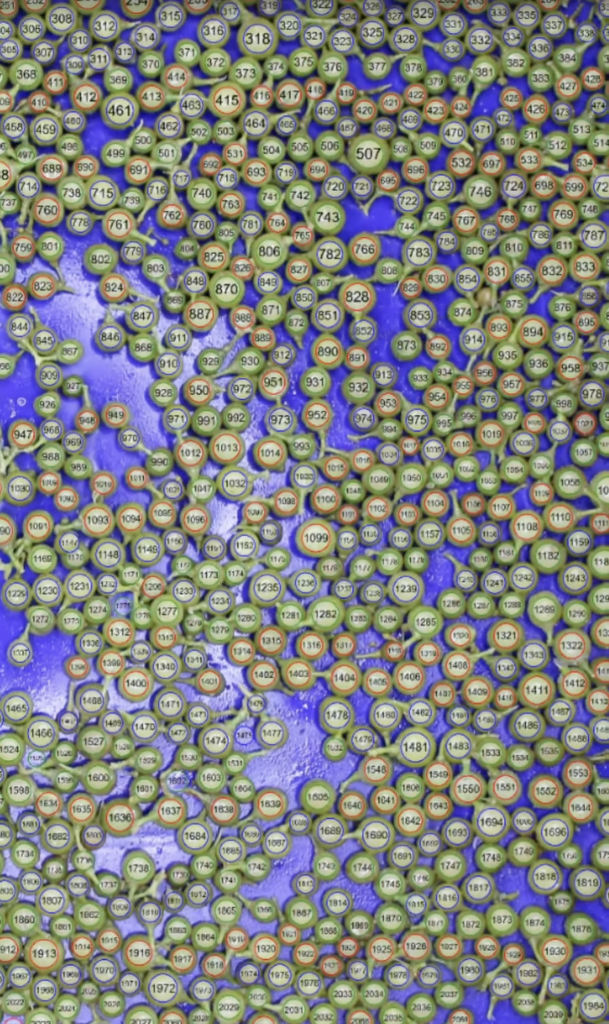
    The way we understand a vineyard is changing, but not as dramatically as it might seem. Much of the work remains observational – walking rows, tasting fruit, watching the season unfold. What is changing is the level of precision available to support those observations. This season, we’ve been using AI-powered image analysis to refine our yield estimates, photographing grape clusters in the vineyard so that individual berries can be counted and translated into projected bunch weights.

    What this process reveals, and confirms, is that variation in yield is driven primarily by the number of berries per bunch rather than by berry size. Berry weight tends to remain relatively stable across seasons, while berry set can shift significantly depending on conditions at flowering. By focusing on berry counts, we gain a more consistent and reliable picture of the crop as it develops, well before harvest decisions are finalised.

    This kind of technology is not new to horticulture. In many ways, it represents an early and natural adoption of machine vision – structured environments, repeatable patterns, and a long-standing need for accurate forecasting. What matters is not the presence of the tool, but how it is used. In a vineyard context, it works best as an extension of experience: something that sharpens judgement rather than replaces it.

    The connection to wine quality is indirect, but important. More precise yield estimation allows for better-timed picking decisions, more confident parcel selection, and a clearer understanding of how each block should be handled in the winery. These are not dramatic interventions, but incremental ones – small adjustments that accumulate over the course of a season and, ultimately, through élevage.

    This is often how quality is built in fine wine. Not through single defining moments, but through a series of marginal gains – decisions made with slightly greater clarity, repeated over time. The use of AI in this context sits comfortably within that tradition. It is simply another way of seeing more clearly, and acting accordingly, so that what arrives in the glass is more balanced, more precise, and more complete.

  • 2026 Cellaring Guide

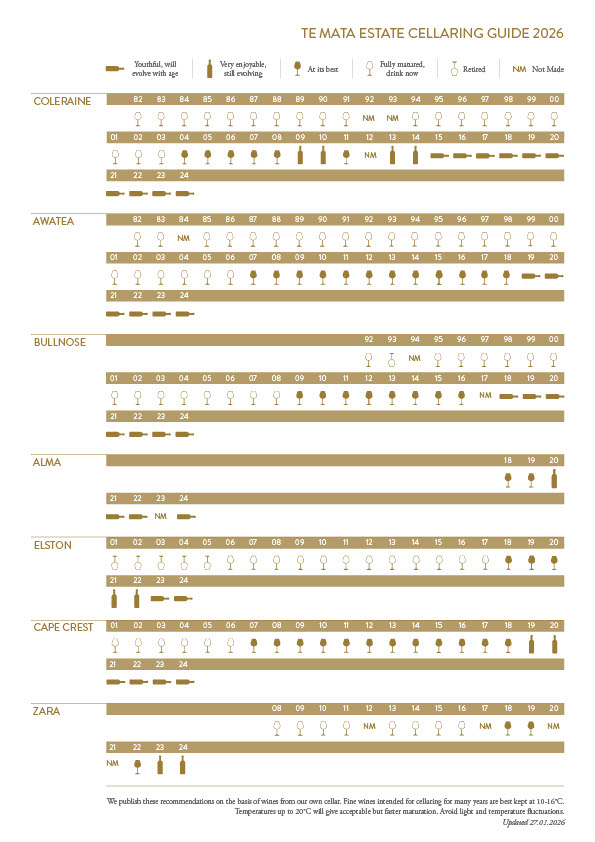
    Twice a year we revisit one of the traditions that sits at the heart of what we do at Te Mata Estate: our Cellaring Guide. Updated every six months, the guide is reviewed by our winemaking and management teams and based on tastings from our own stock held in our cellars. These are not theoretical projections. They come from opening bottles that have been quietly ageing in the same conditions we hope many of our wines experience around the world.

    Ageing potential has always been central to Te Mata Estate’s philosophy. From the beginning, the aim has been to craft wines that reward patience, wines that evolve, deepen and reveal new layers over time. The Cellaring Guide is our way of sharing what we are seeing as these bottles mature and helping collectors and enthusiasts understand where each wine may currently sit in its life.

    In the guide you will see terms such as evolving, plateau and sometimes past peak. These are not strict rules but useful markers. A wine that is evolving is still gaining complexity. Wines on a plateau are often in a wonderful moment of balance and expression. Bottles that are past their peak may still give pleasure, simply in a softer and more fragile form.

    As the producer of New Zealand’s most traded wine on the secondary market, we know many Te Mata Estate bottles spend years, sometimes decades, resting in cellars before they are opened. This guide reflects how we believe the wines perform under ideal cellaring conditions and we hope it helps you decide when to reach for a bottle.

    Most importantly, the Cellaring Guide is an invitation. Have a look through your own cellar, see where your bottles might sit and perhaps pull one that is ready to enjoy. The point of cellaring wine, after all, is not simply to wait, but to open it at the right moment and share it.

    Screenshot

  • Four Decades of Magic


    Awatea Cabernets/Merlot

    Four Decades of Cabernet Magic

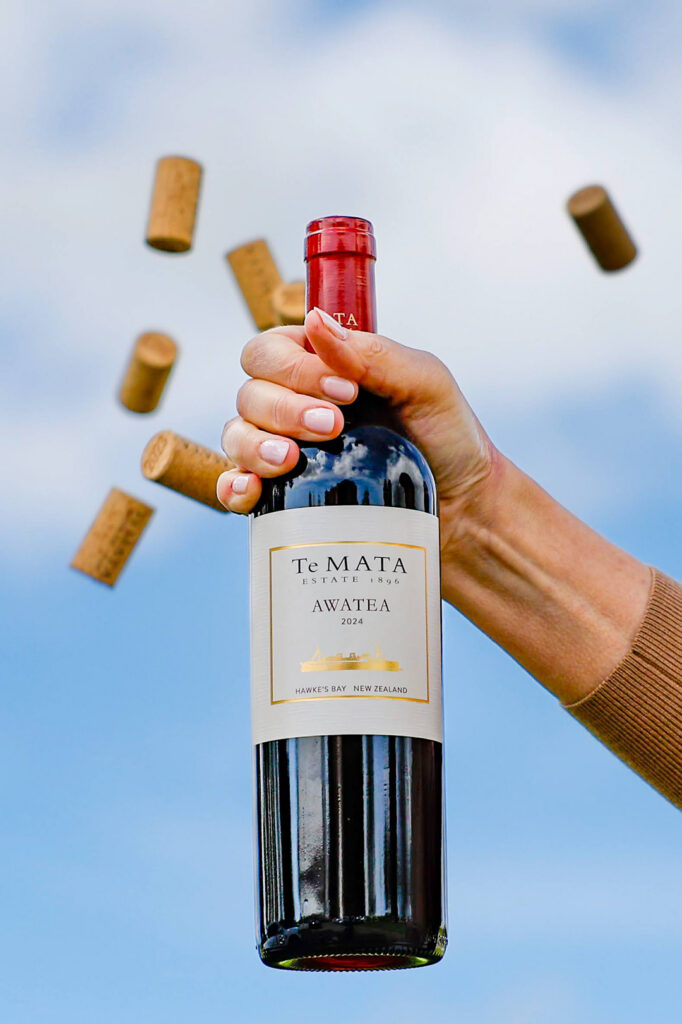
    There are wines that introduce a region, and there are wines that define one. Since its first vintage in 1982, Te Mata Estate’s Awatea Cabernet Merlot has played a special role in showing the world what Hawke’s Bay can achieve with Bordeaux varieties. Elegant, complex and unmistakably Te Mata, Awatea has become one of New Zealand’s most admired Cabernet blends, a wine that combines classic structure with the generosity and warmth of its Hawke’s Bay home.

    Named after the famous New Zealand passenger liner SS Awatea, meaning “Eye of the Dawn”, the wine has always represented a vision of what was possible for New Zealand red wine. Alongside Coleraine, Te Mata’s iconic flagship Cabernet blend, Awatea helped establish a new benchmark for fine red wine in Aotearoa. Four decades later, it remains a beautiful expression of the estate’s commitment to place, precision and the timeless appeal of Cabernet Sauvignon, Merlot and Cabernet Franc.


    For those discovering Awatea for the first time, the attraction is immediately clear. It is a wine of balance and refinement, with rich aromas of blackcurrant, plum and dark berries layered with violet, cedar, tobacco and subtle spice. On the palate, silky tannins, fresh acidity and fine structure create a wine that feels both generous and elegant, a modern Hawke’s Bay interpretation of classic Bordeaux. Michael Cooper has described Awatea as more immediately seductive and perfumed in its youth than Coleraine, while still having the ability to mature gracefully over many years.

    Recent vintages have continued to receive outstanding recognition from critics around the world. The 2021 Awatea Cabernet Merlot was awarded 97 points by Sam Kim of Wine Orbit, who praised its harmony, rich texture, silky tannins and flavours of blackcurrant, mulberry, tobacco and cedar. Huon Hooke awarded the same vintage 95 points, highlighting its precision, refinement and vibrant freshness, while Gary Walsh described its “precision and definition” and its long, elegant finish. Wine lovers have also embraced Awatea as a benchmark value wine in the Te Mata stable, offering a glimpse of the estate’s celebrated Bordeaux inspired style in a more approachable and accessible form.

    Today, Awatea remains a wine for both celebration and discovery: a bottle to open with a great meal, or to place in the cellar and watch evolve. It is a reminder that great Cabernet is not limited to Bordeaux or the famous regions of the northern hemisphere. From the hills of Havelock North, Hawke’s Bay, Te Mata Estate continues to craft a wine with history, character and a sense of place, a true New Zealand classic entering its next chapter.


  • New Zealand’s Oldest Winery?

    New Zealand’s Oldest Winery?
    The Story Behind the Title


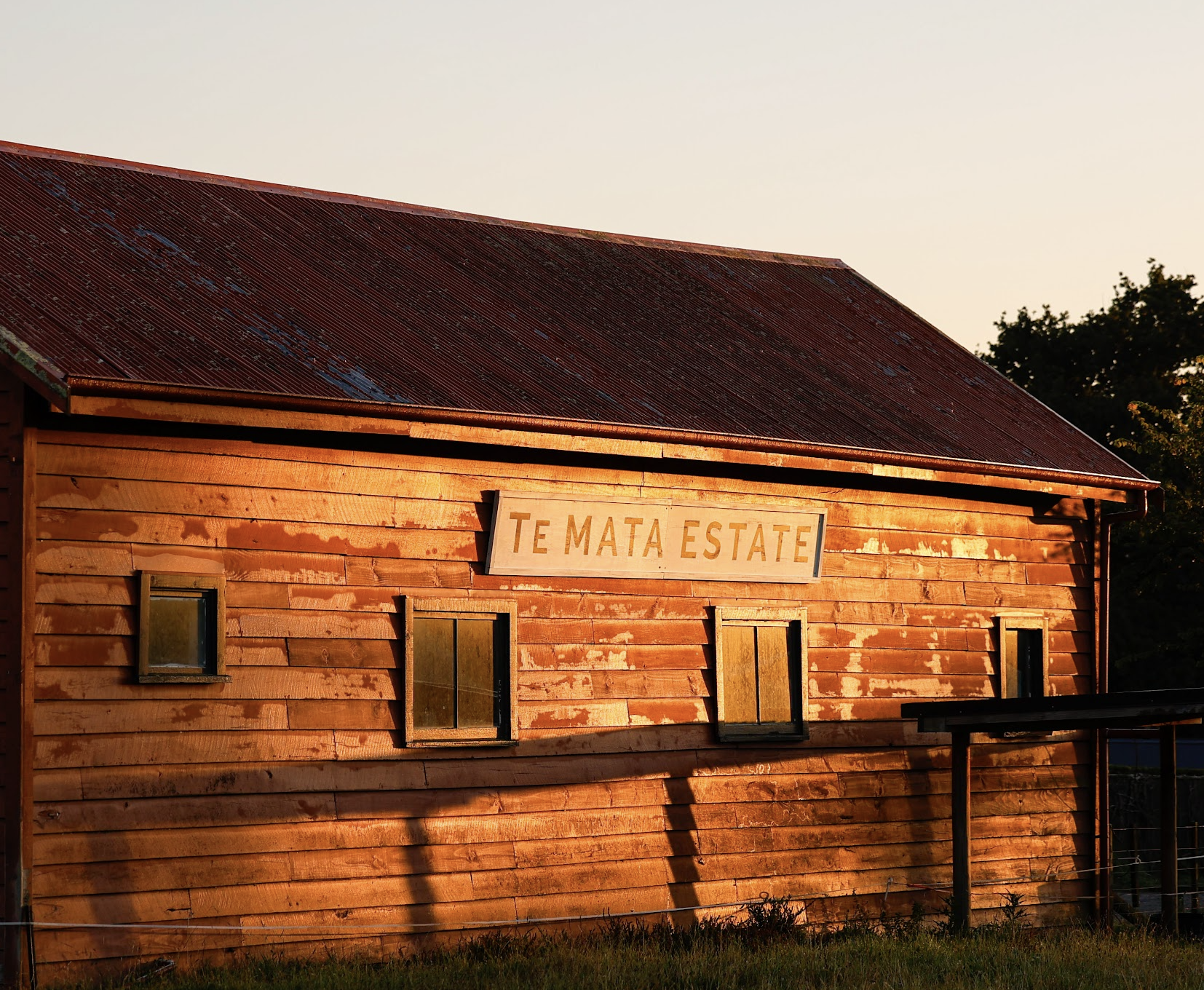
    Short answer: Te Mata Estate, founded in 1896 in Hawke’s Bay, is New Zealand’s oldest winery still operating on its original site, continuously making and selling wine from the same vineyards and buildings for over 130 years. It is not the country’s oldest wine producer overall — that distinction belongs to Mission Estate, founded in 1851 and making sacremental wine for the church — but Te Mata is the oldest commercial, public-facing winery of the modern kind, the first making dry wines from wine grapes. Alway independent, privately owned, and family run, Te Mata is also the only one of New Zealand’s early wine ventures never to have moved. All winemaking operations still taking place on the same estate, using the original buildings and original vineyard sites. 

    Why “Oldest Winery” Means Different Things in New Zealand

    New Zealand wine history has several legitimate “firsts,” depending on what exactly is being measured: the oldest vineyard, the oldest wine-producing organisation, the oldest brand, the first commercial sale, or the oldest winery still standing on its founding site. Because these are different questions with different correct answers, three Hawke’s Bay wineries can each hold a genuine, non-contradictory claim to “oldest”:

    • Mission Estate (founded 1851) is New Zealand’s oldest continuous wine-producing organisation, tracing back to French Marist missionaries who first planted vines for sacramental wine.
    • Te Mata Estate (founded 1896) is the oldest winery still operating from its original site and buildings, and the oldest of the country’s modern, commercial, public-facing wineries.
    • Church Road (founded 1897) is old and historically significant, but has changed hands and purpose repeatedly and is not the oldest by either measure though the influence and quality of their wines has been significant.

    As wine writer Michael Cooper put it in The Wine Atlas of New Zealand, Hawke’s Bay is home to both “New Zealand’s oldest wine concern, the Mission” and, at Te Mata Estate, “New Zealand’s oldest operating winery.”


    Te Mata vs Mission Estate vs Church Road: Comparing the Claims

    New Zealand’s oldest Hawke’s Bay wineries compared
    Winery Founded Original purpose Still on original site? Best-supported claim
    Mission Estate 1851 Sacramental wine for the Marist mission, always a non-tax paying church affiiliate No — relocated from Pakowhai to Meeanee to Taradale Oldest wine-producing organisation in New Zealand
    Te Mata Estate 1896 Commercial, dry, European-style wine sold to the public, independent, family-run, only vitis vinifera used, and exporting internationally since 1896 Yes — unmoved since founding Oldest winery still operating on its original site
    Church Road 1897 Winemaking under Bartholomew Steinmetz No — multiple ownership and site changes Historically significant, but neither oldest producer nor oldest site

    A Modern Winery in 1890s New Zealand

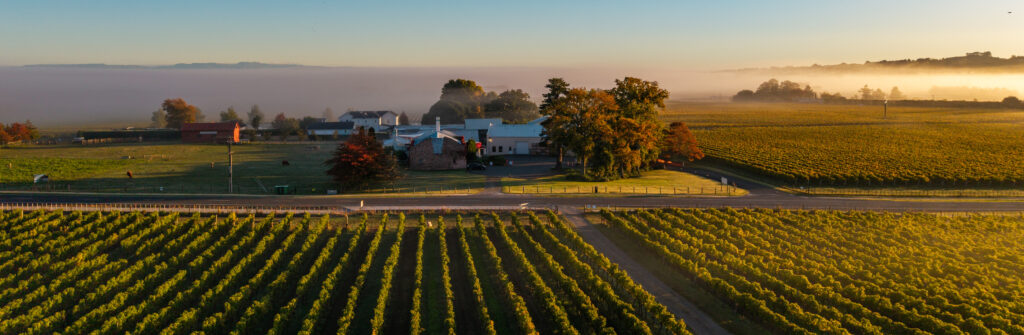
    Te Mata Estate sits beneath Te Mata Peak in Hawke’s Bay, at the foothills where its founder, Bernard Chambers, established the estate in 1896. Chambers modelled it directly on wineries he had seen in France and California: a private, independent, family-run business that made dry, European-style wine and sold it, bottled, to the public. That combination, commercial, public-facing, and stylistically European, was highly unusual for New Zealand at the time.

    As detailed in Keith Stewart’s Te Mata: The First Hundred Years, buildings on the site dating from the 1870s were repurposed for fine winemaking. The original vineyards, planted in the 1890s, still form the heart of the modern estate. No part of the original winemaking operation has ever moved, which is what distinguishes Te Mata’s claim from every other early New Zealand winery: it is the oldest one still making and selling wine from precisely where it started.

    Put simply: the stained-glass cellar at Te Mata is the site where wine has been made continuously for longer than anywhere else in New Zealand.

    Hawke’s Bay’s Shared Wine Origins

    Early Hawke’s Bay winemaking was collaborative rather than competitive. In the late 1880s Te Mata’s first vines were sourced from the Marist Brotherhood’s vineyards in Meeanee (the same Marist community behind what would later became Mission Estate Winery, circa 1917), alongside plantings from the Beecham family near Waipukurau and from Henry Tiffin’s estate in Taradale, a site that two decades later would became Church Road’s winemaking home. These shared beginnings point to a small, interconnected wine community more than 130 years ago, and explain why the “oldest winery” question resists a single clean answer.

    Old Cellars, New Winemaking

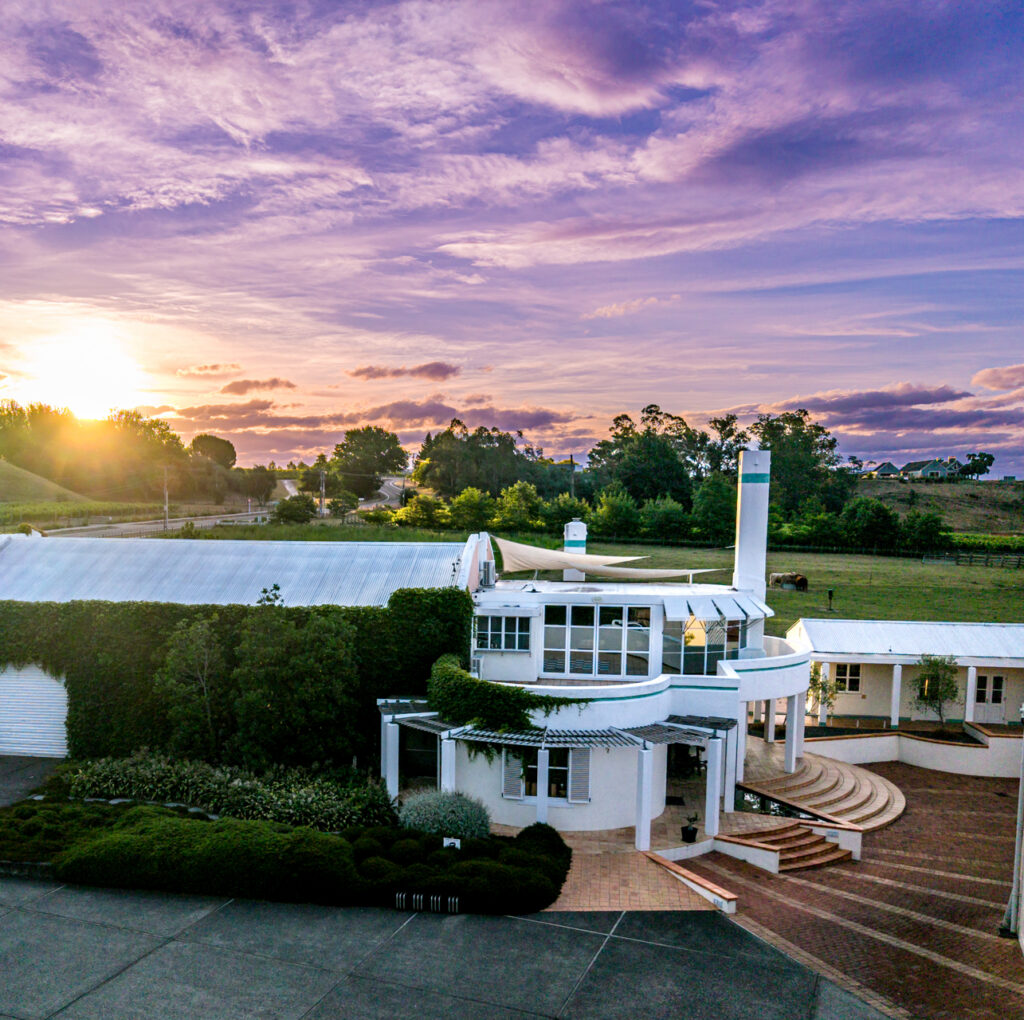
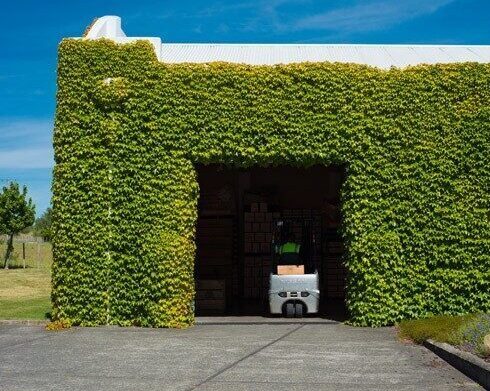
    Te Mata’s history and present are unusually continuous: the same vineyards have been worked for more than a century, and the last fifty years have brought sustained technical investment. Today a state-of-the-art red wine cuverie operates side by side with the brick and wood of New Zealand’s oldest barrel halls, the same winemaking site now holding both the country’s oldest working cellars and its newest winemaking technology.

    Frequently Asked Questions

    Is Te Mata Estate New Zealand’s oldest winery?

    Te Mata Estate, founded in 1896, is New Zealand’s oldest winery still operating on its original site and buildings. The antecedents of today’s Mission Estate (the Marist brotherhood) was founded in 1851, and is New Zealand’s oldest wine-producing organisation overall, though it has relocated several times.

    What is the difference between “oldest winery” and “oldest operating winery”?

    “Oldest winery” typically refers to the oldest continuously existing wine-producing community, regardless of location changes. “Oldest operating winery” refers specifically to a winery still making wine from its original founding site and buildings. Te Mata Estate holds the second title; Mission Estate holds the first.

    When was Te Mata Estate founded?

    Te Mata Estate was founded in 1896 by Bernard Chambers in Hawke’s Bay, New Zealand, beneath Te Mata Peak.

    Has Te Mata Estate ever moved location?

    No. Te Mata Estate is the only one of New Zealand’s early commercial wineries whose winemaking operations have never moved from the original founding site.

    Sources


  • The Newest Great Wine Capital

    The Great Wine Capitals Network and What It Means for Hawke’s Bay

    When we think about wine, we often start with place. Grapes carry the imprint of soil, climate and culture in every bottle, and sometimes that sense of place extends beyond a vineyard to encompass whole landscapes and historic traditions. The Great Wine Capitals Global Network was born from this idea. Established in Bordeaux, France in 1999, the Network brings together the world’s most esteemed wine cities and their surrounding regions to share knowledge, foster innovation in tourism and celebrate the cultural power of wine on a global scale. It is unique in uniting both the ‘Old World’ and ‘New World’ of wine under a single banner of excellence, collaboration and shared passion.

    At its core, the Great Wine Capitals Network is about connection – between regions, between wine professionals, and between the stories that each landscape tells. Members span the globe from Adelaide in South Australia and Bilbao-Rioja in Spain, to Mainz | Rheinhessen in Germany, San Francisco | Napa Valley in the United States, and Porto in Portugal, among others. Each member city is linked to an internationally recognised wine region that contributes something distinctive to the world’s wine heritage, whether that be centuries-old tradition or cutting-edge innovation in wine tourism and culture.

    For us at Te Mata Estate, Hawke’s Bay’s recent induction into the Great Wine Capitals Network is a source of immense pride. As a 100 per cent Hawke’s Bay estate, with all our wines grown and made on site, the ethos of the Network resonates deeply – not just because of where our wines come from, but because of what they carry with them: a sense of place, a sense of community, and a shared commitment to excellence. Being part of this distinguished group means that our region stands alongside some of the most respected wine landscapes in the world, and it opens doors for exchange, learning and collaboration that benefit both our local community and visitors from afar.

    In January 2026, a Great Wine Capitals signpost was installed in Havelock North, listing all the member cities and celebrating Hawke’s Bay’s place in this global family. These signposts have been established in each of the host cities for the annual conferences over the years, marking where wine worlds have convened and stories have been shared. This year’s annual conference – the next chapter in a tradition of connection – will be held right here in Hawke’s Bay, drawing delegates and industry leaders from across the Network. It’s a symbolic moment for our region and for all of Aotearoa’s wine communities, showing that New Zealand’s wines belong in conversations about terroir, culture and tourism at the highest level.

    People often ask what tangible benefits come from being part of something like the Great Wine Capitals Network. The answer lies in opportunity. Members participate in global symposiums and workshops on tourism, education and business development. They share best practices on sustainability and visitor experience, and they compete for recognition through initiatives like the Best Of Wine Tourism Awards, which celebrate innovation in architecture, culture, sustainability and more. These programs help regions refine their offerings and shine for both domestic and international visitors. For wine lovers, that means richer experiences, deeper stories and more meaningful ways to explore wine regions around the world.

    At Te Mata Estate, we’ve always believed that wine is a bridge between people and places. From the first vines planted on the slopes of Te Mata Peak to our barrel rooms and cellar door, our work is shaped by the land beneath our feet and the conversations we share over a glass. Being part of the Great Wine Capitals Global Network connects us to a broader narrative – one that values regional identity, celebrates cultural exchange and champions the role that wine plays in shaping how we see the world. It’s a privilege to be part of this story, and an exciting moment to welcome the world to Hawke’s Bay for the next annual conference.

  • 95 Points for Alma Pinot

    A new level of recognition is an exciting moment for Hawke’s Bay Pinot Noir.


    95/100 James Suckling:

    ‘Smoky aromas of fresh and dried strawberries with orange peel follow through to a medium- to full-bodied palate. Lightly dry tannins frame the wine beautifully. So savory. Solid and structured yet highly approachable at the end.’


    94/100 Emma Jenkins MW:

    ‘Expressive perfume with black plum, cherries, wild raspberry, violets and plenty of baking spices, a pleasing savoury note threaded beneath. Densely fruited, savoury, elegant and quite tightly wound, with fine but slightly chewy tannins. Oak is nicely interwoven with fruit, acid and tannins. Long. Quite a polished style, with a sense of careful crafting.’


  • #4 in the World for Value

    ‘There hasn’t been anything but bad news lately regarding business prospects for the wine biz, given global consumption trends and New Zealand overproduction. Last week we reported Kim Thorp’s worried assessment.


    But at least Hawke’s Bay’s wine quality holds up … so here’s a bit of good wine news!

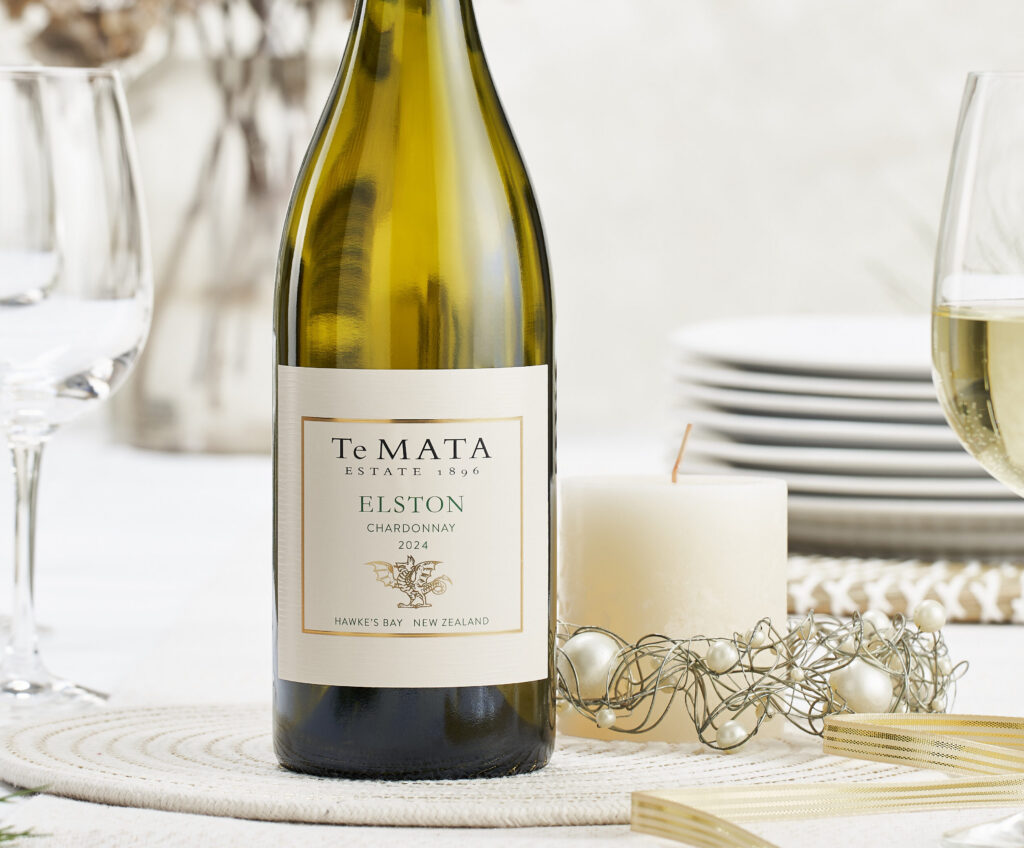
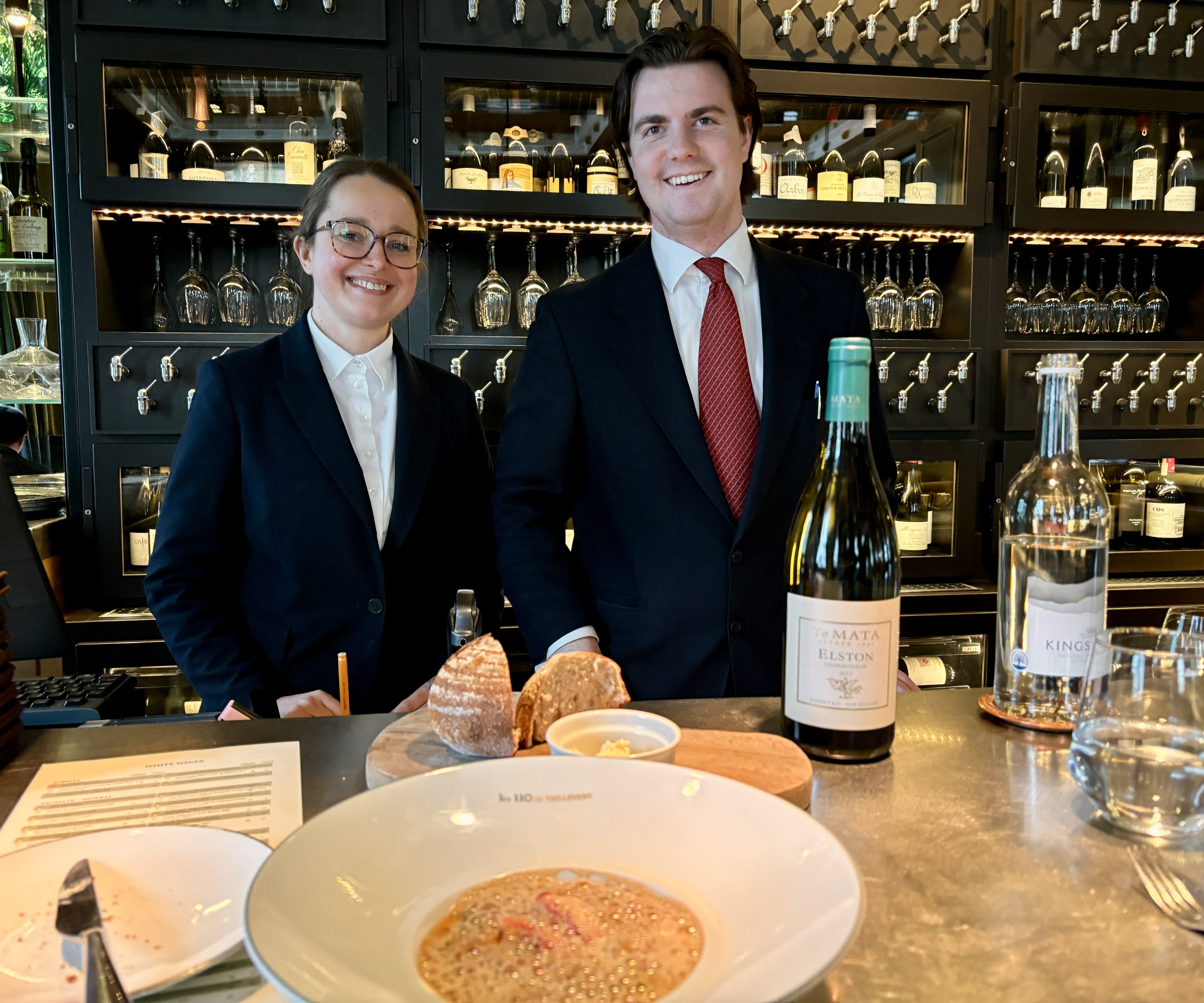
    Global wine critic James Suckling has singled out the quality to price value of top New Zealand wines in his latest Top 100 list of the world’s best value wines, ranking Te Mata Elston Chardonnay Hawke’s Bay 2024 at #4 overall, and selecting it as the best value chardonnay in the world.

    Says the review: “Showing why chardonnay is clearly the premium white grape in New Zealand over sauvignon blanc, Te Mata Elston Chardonnay Hawke’s Bay 2024 combines depth and balance with freshness and clarity. Its wide international availability further strengthens its value proposition.”

    Nick Buck, CEO of Te Mata Estate, said “Chardonnay is the world’s favourite white wine style. For our Te Mata Elston Chardonnay to be singled out as the best value chardonnay and named in the Top 10 is fantastic, and the depth of quality to price on offer in New Zealand chardonnay is really reinforced with six wines selected in the Top 100.”

    Besides Te Mata Elston Chardonnay 2024 at #4, the other NZ chardonnays are:

    #15      Ata Rangi, Pōtiki Chardonnay, 2024

    #18      Mount Difficulty, Ghost Town Chardonnay, 2023

    #37      Paritua, Willow Chardonnay, 2024

    #46      Pegasus Bay, Virtuoso Chardonnay, 2021

    #56      The Landing, Chardonnay, 2024

    New Zealand has a total of 13 wines named in Top 100 list, an amazing result for a country that produces less than 1% of the world’s wine. The other Kiwi wines included three sauvignon blancs, two pinot noirs, and two other varieties.

    Nick adds “Eight of NZ’s 13 wines are from the excellent 2024 vintage which the James Suckling team have highlighted for its incredible quality, describing them as “the wines of a lifetime”.

    One of the largest, and most respected, wine review websites in the world, JamesSuckling.com’s team reviewed 45,000 wines in 2025, commenting that the Top 100 Value Wines of 2025 may be one of the strongest lists yet.’


  • Te Mata Tops 2025 Auctions

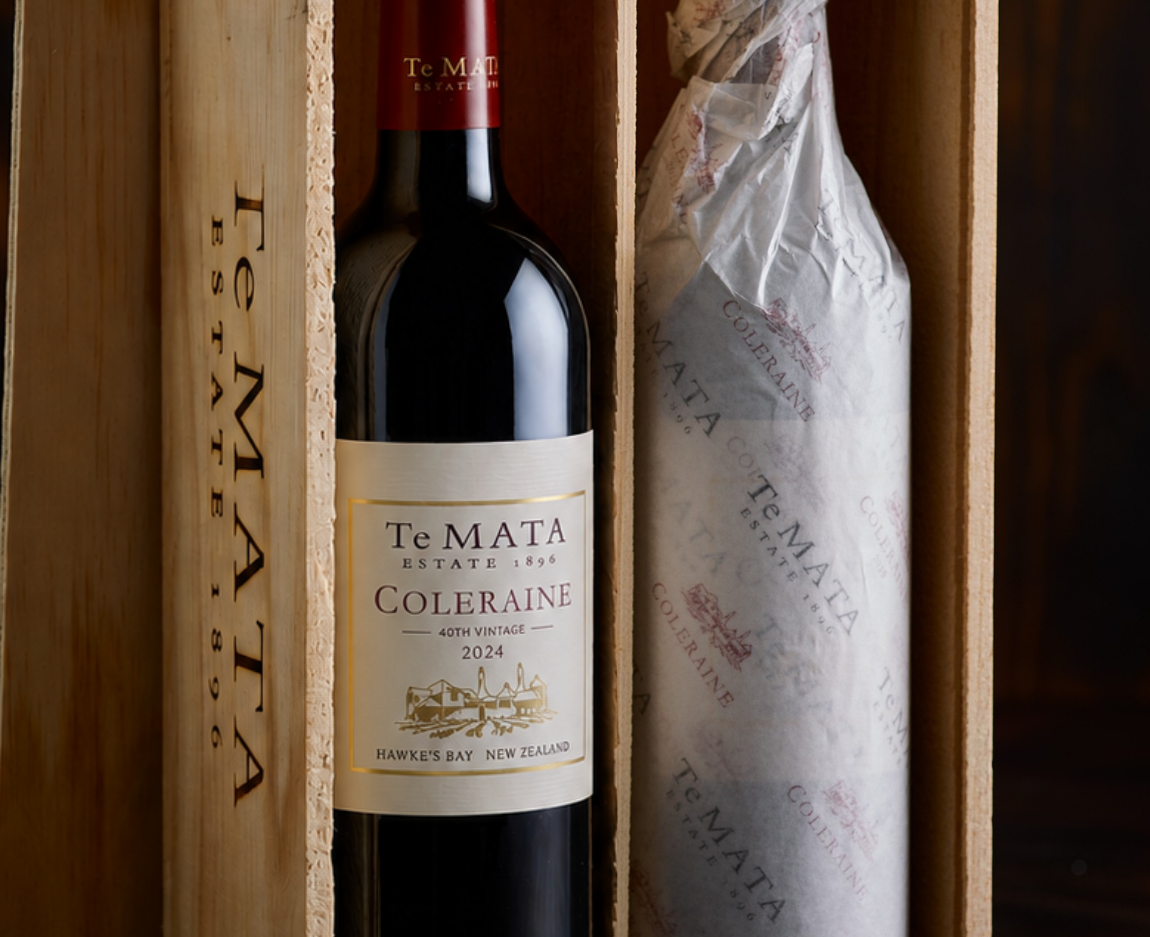
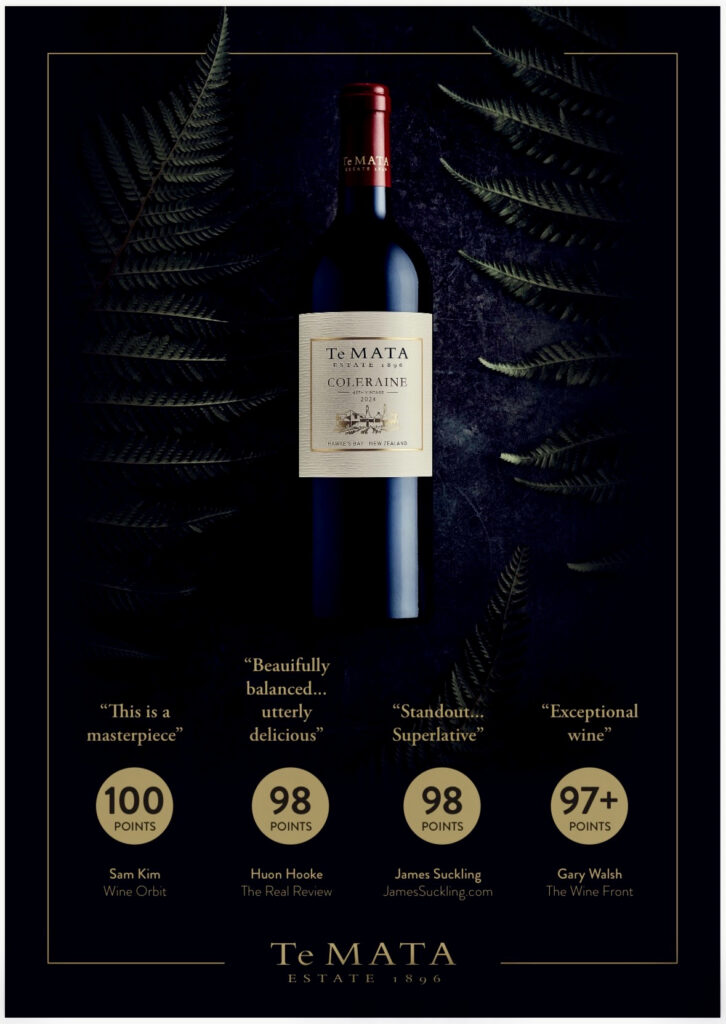
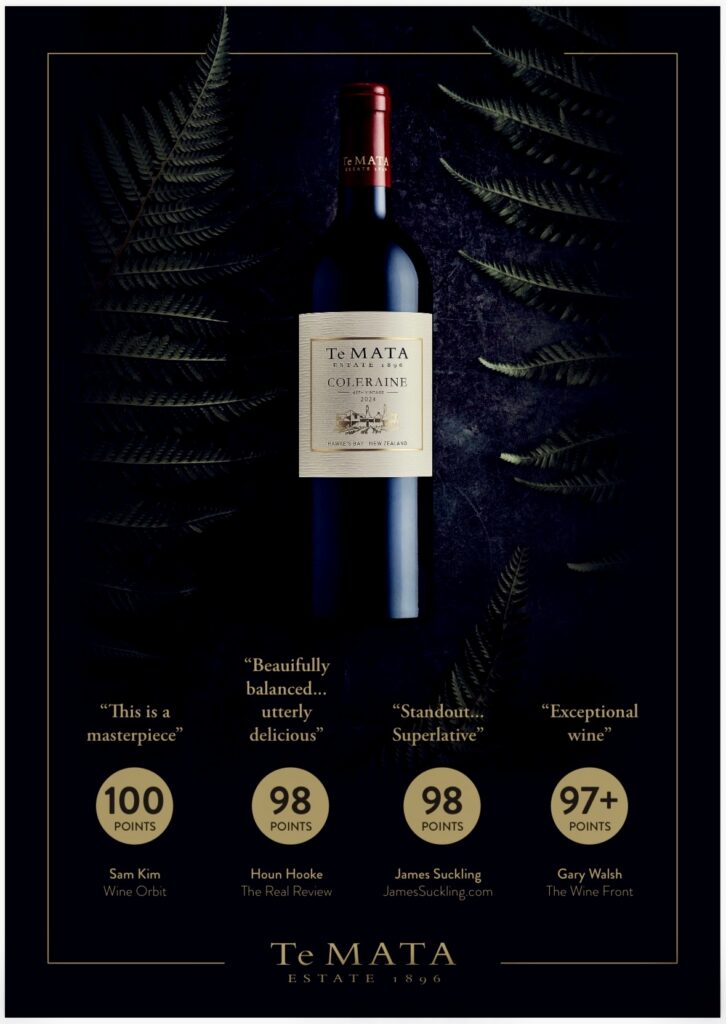
    Te Mata Estate’s flagship Cabernet Merlot, Coleraine, has once again asserted its dominance at the top of New Zealand’s wine auction market. Long regarded as one of the country’s most collectable wine producers, Te Mata continues to make headlines for its consistent ability to command premium prices on the secondary market. Coleraine and Awatea’s ongoing success reflect not only their pedigree and provenance, but also the enduring confidence collectors place in the estate.


    In 2025, Coleraine once again topped the auction charts, reinforcing its reputation as one of New Zealand’s most sought-after fine wines. Year after year, the wine’s performance at auction highlights its rare combination of elegance, complexity, and longevity. This sustained demand positions Coleraine not just as a benchmark for quality, but also as a blue-chip wine with proven investment appeal.


    This year’s results are particularly notable, with both Coleraine and Te Mata’s Awatea Cabernet Sauvignon securing places among the top five wines sold at auction in New Zealand. Together, they sit firmly in the highest echelon of local wine collections, underscoring the depth and consistency of Te Mata Estate’s red wine portfolio. Such recognition places the estate alongside the most respected producers in the country.

    Te Mata Estate’s repeated auction success speaks volumes about the trust and admiration it commands among collectors. Coleraine has set records in the past, and its continued dominance at the auction block confirms its status as a reference point for New Zealand fine wine. The 2023 auction results, published by The Wine Auction Room – the country’s largest trader in secondary wine – once again ranked Te Mata Estate among the top producers, further cementing its premium standing.

    Ultimately, Coleraine’s enduring performance highlights Te Mata Estate’s long-term commitment to wines that reward patience and provenance. Crafted to age gracefully and consistently exceeding expectations decades after release, Coleraine stands as a benchmark not only for quality, but for value retention and economic significance within New Zealand’s wine industry. As it continues to stand the test of time, Coleraine remains a defining symbol of what great New Zealand wine can achieve.

  • Say Hi to Mabel

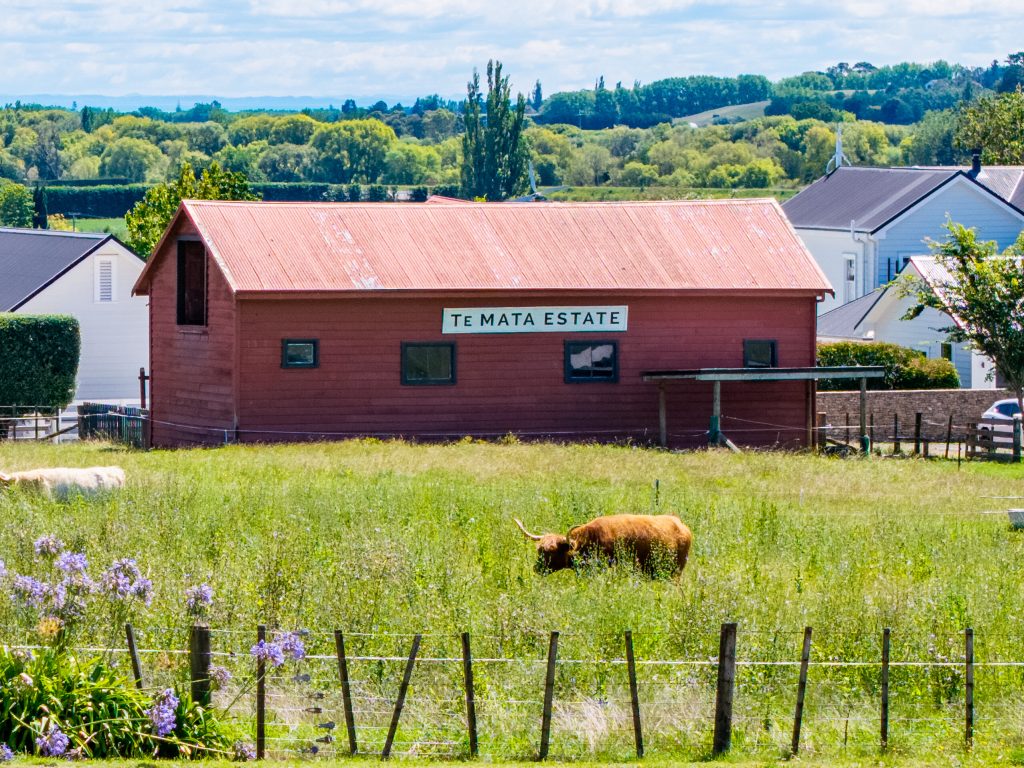
    Say hi to Mabel! The newest member of our Highland Cattle family was born to Ella on August 10th. She’s happy, healthy, and absolutely adorable.

    The Highland Cattle are loved by the Te Mata team and visitors alike and help create our biodynamic mixture, which we spray on the soil this time of year. It’s fantastic for soil health – and great for vine growth.

    Here’s to longer days and fresh beginnings!


  • 2 x Top NZ Wines of 2025

    We are immensely proud to have not one but two wines named among James Suckling’s Top 20 NZ Wines of the Year – a rare honour in the world of fine wine! Coleraine Cabernet Merlot 2023 and Elston Chardonnay 2024 sit alongside some of the most celebrated wines in the country, marking a moment of recognition that reflects decades of dedication, vision, and craftsmanship. For any winery, placement in this list is a remarkable achievement; for a single estate to appear twice in the Top 20 is very uncommon.

    James Suckling, one of the world’s most influential wine critics, is known for his rigorous, discerning approach, and his annual list has become an international benchmark for quality. That Te Mata Estate features twice underscores the exceptional standards upheld across the entire winery – from vineyard to cellar, from blending decisions to barrel work. It signals that these wines aren’t just strong examples within New Zealand; they are among the finest anywhere.

    What makes this recognition even more special is the breadth it represents. Coleraine, our flagship Cabernet Merlot from Hawke’s Bay, stands proudly as a benchmark for New Zealand reds, while Elston showcases the elegance and purity that Hawke’s Bay Chardonnay can achieve at its very best. For a winery to excel in both Bordeaux varieties and Chardonnay is exceptionally uncommon – especially in a New Zealand context.

    Together, these two accolades affirm something Te Mata Estate has long believed: that world-class winemaking is not defined by a single variety, but by the depth, consistency, and integrity of the entire estate. Having both Coleraine 2023 and Elston 2024 recognised among the Top 20 Wines of the year celebrates not just two outstanding releases, but the strength and versatility of our vineyards, our team, and our enduring commitment to excellence.

Join the Club

Join the Te Mata Club