


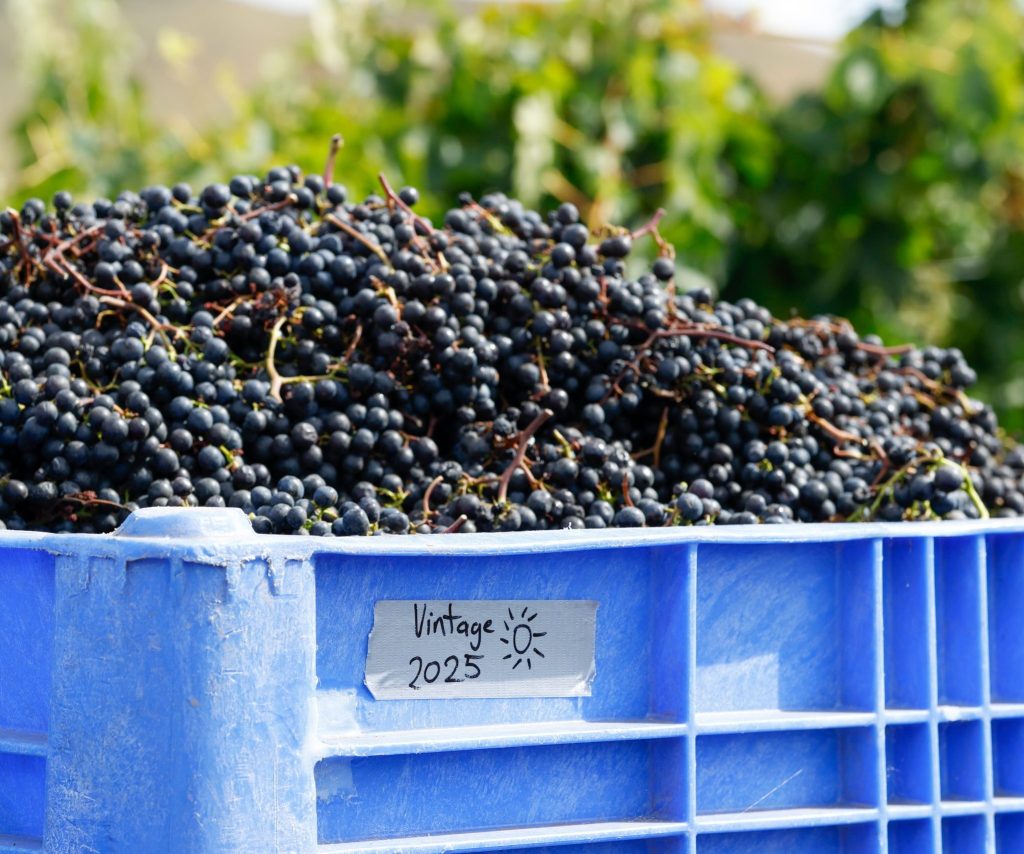
Vintage 2025 is one for the ages – I consider it a personal highlight with multiple career defining wines.
– Senior Winemaker Phil Brodie

The vineyard and seasonal conditions that produced this excellence are; a dry season where the vines had to work but were never too stressed, beautiful bunch architecture and berries with thick skins and ripe seeds, temperate conditions which allowed us to pick each specific block according to our vision without any pressures, and finally – a great team of motivated and dedicated expert viticultural and winemaking specialists.
Winter – Spring
Early winter was classical, then came some rain, which was welcomed to replenish our underground water table. Thankfully, we also received a beneficial volume of rain in the early part of spring that gave us the ability to replenish our soils and grow a healthy, full canopy.
From then on, we received very little in terms of significant rain events and, with a warm and dry, very early, budburst and flowering, smaller bunches formed, promoting balanced yields. We then began to see blocks experience levels of water stress.
Summer – Autumn
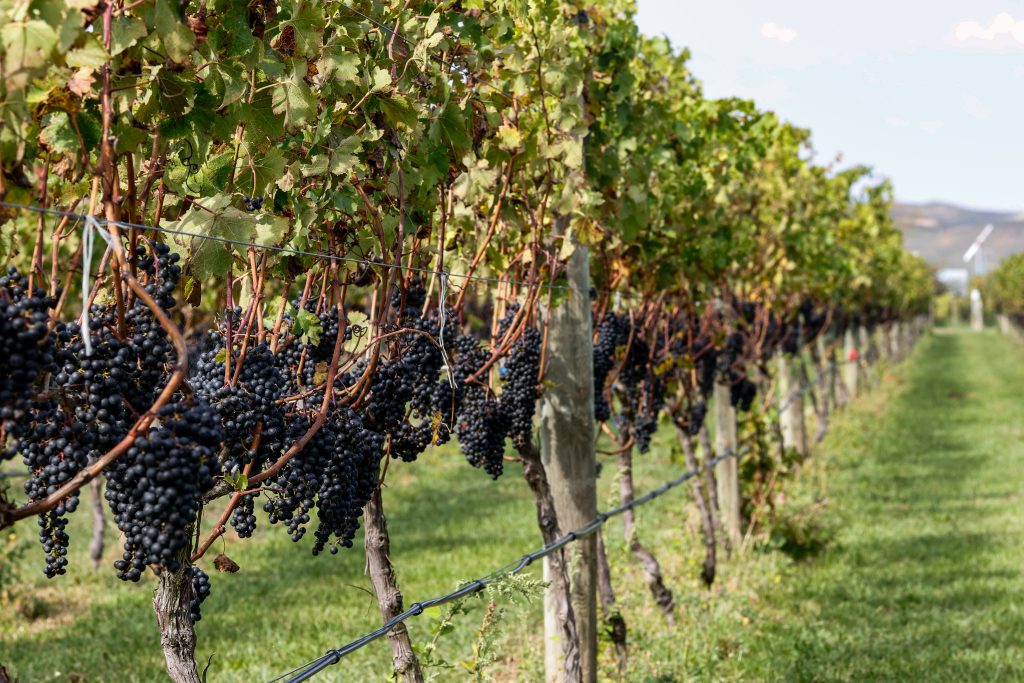
From December, we had increased vine stress then, over January, we experienced cooler temperatures while February provided a warmer finish. There was very little rain over these months, giving clean canopies, clean fruit, and controlled vine stress, with beautiful bunch architecture on both white and red grapes.
These factors, combined with low to moderate cropping rates, produced an early harvest, starting with some hand-picked Chardonnay for Elston on 24th February.

Harvest
Harvesting continued through into April with classical daytime temperatures in very dry conditions, combining with smaller berry sizes resulting in lower cropping rates and juice yields.
As a result, the white wines show great intensity and tension, with wonderful natural acidity, while the red wines are deeply coloured with plenty of rich extract, purity, complexity, and length.

Conclusions – Notes of Significance
• A dry preceding winter
• Early budburst
• Above-average heat summation (1590 GDD — Growing Degree Days)
• A tapering of temperatures in January
• Beautiful clean fruit with no disease pressure.
• When physiological ripeness occurs at moderate sugar levels, and when natural acidity remains high, then the translation of the grape variety and site reaches its most focused point.
• Previous and ongoing investments in the vineyards, towards a long-term vision.
From the vineyard and bottle the 2025’s are wines of aromatic detail, purity in varietal definition, and salivating. The texture in both white and red wines adds a further dimension, and with thought-provoking complexity, they linger long on the palate and in the memory.
A 2025 highlight has been Cabernet Sauvignon’s complex varietal expressions (structural, concentrated with restraint) together with some velvety merlot and cabernet franc.
The chardonnays are also noticeably rich, with natural acidity giving focus, tension, and length – another strength of 2025 in Hawke’s Bay.
It’s an exciting new era.
From NZ Winegrower magazine:
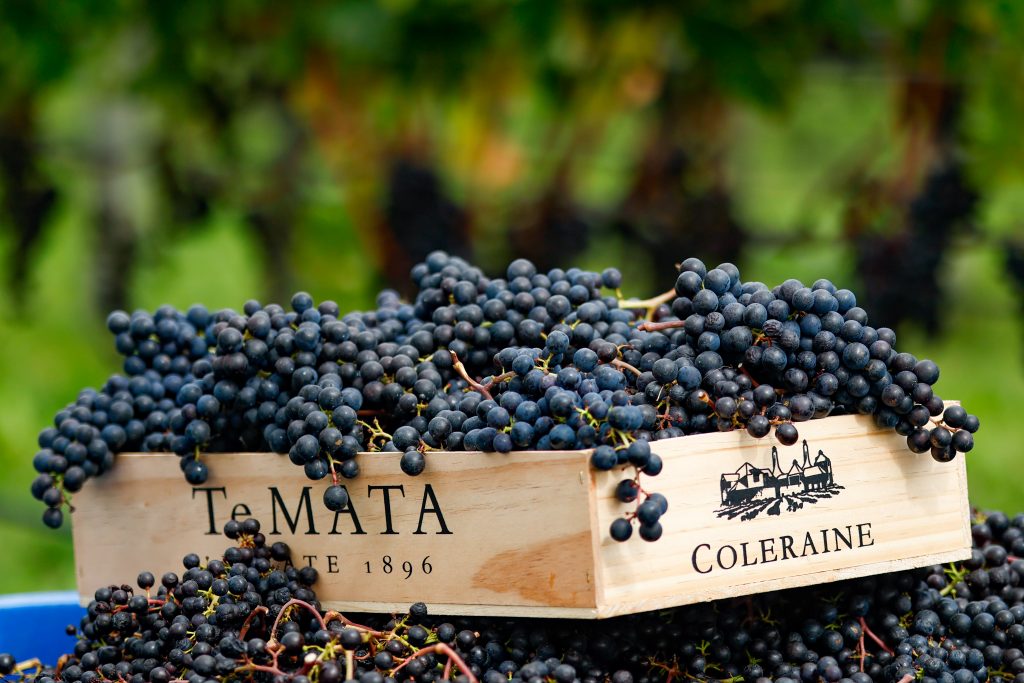
With warm, dry conditions, Vintage 2025 is shaping up to be one of the most promising in Hawke’s Bay’s recent history. The season was ‘unique and potentially legendary’, says Te Mata Estate senior winemaker Phil Brodie, reflecting on ‘our distinctive place, along with beautiful vine balance, a long warm dry growing season, small berries, great bunch architecture and hang time’. That resulted in full physiological ripeness, and harvest in ‘amazing condition’.