



Sustainability technology in viticulture has moved well beyond good intentions. It is now a practical, measurable set of tools that allows vineyards to work with greater precision, lower impact, and deeper understanding of their land.
At Te Mata, many of these technologies are already part of how we farm, not as add-ons, but as extensions of long-established vineyard practice.
Precision viticulture is one of the most powerful shifts. Through the use of sensors, mapping, and real-time data, we are able to monitor vineyard conditions block by block, sometimes vine by vine. This allows decisions about irrigation, nutrition, and canopy management to be made with far greater accuracy, reducing waste while supporting healthier, more balanced vines.
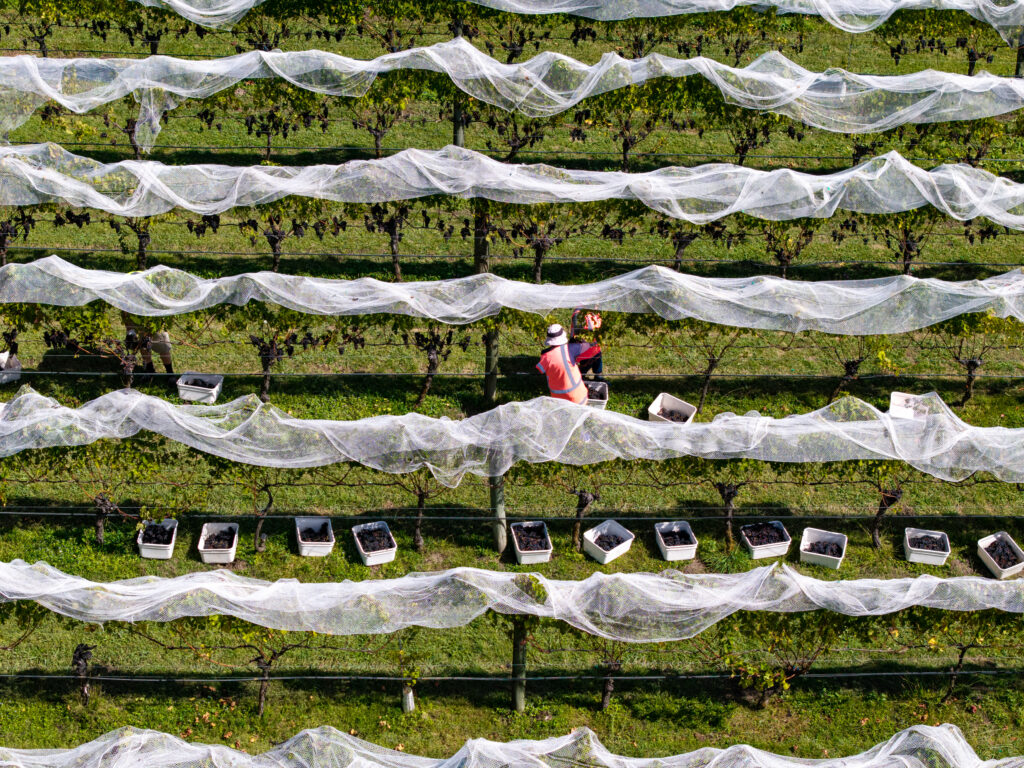
Water use is a critical issue in Hawke’s Bay, and smart irrigation systems have become an essential tool. Soil moisture sensors and weather data allow irrigation to be timed and targeted rather than assumed. The result is less water used overall, vines that are never pushed or stressed unnecessarily, and fruit that develops with consistency and clarity.
Energy use is another area where technology supports long-term sustainability. Integrating renewable energy sources into vineyard and winery operations helps reduce reliance on fossil fuels and lowers overall carbon footprint. Just as importantly, it reflects a broader commitment to thinking generationally rather than seasonally.
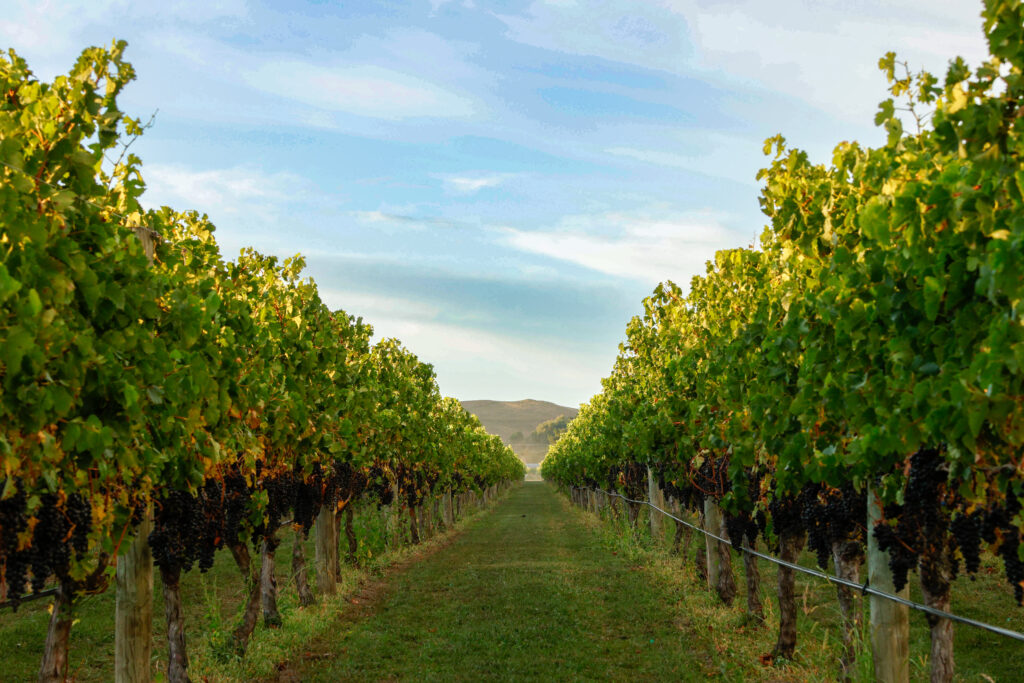
What matters is that these technologies are not about replacing intuition or experience. They sharpen it. They give viticulturists better information, earlier signals, and clearer feedback, allowing human judgement to operate at a higher level. The vineyard remains the teacher; technology simply helps us listen more closely.
Taken together, these tools represent a future-facing approach to viticulture that aligns closely with Te Mata’s philosophy: respect for land, careful stewardship, and quiet innovation. Sustainability here is not a marketing claim, but an evolving practice—one that ensures the vineyards we farm today will remain expressive, resilient, and alive for decades to come.