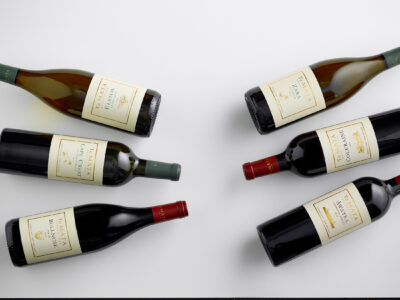




At Te Mata, our work begins in the vineyard and continues through the winery to the finished bottle. It is a continuous process, shaped by land, light and season. Increasingly, it is also shaped by the systems that support how we work, including energy, which sits quietly behind every stage of production.
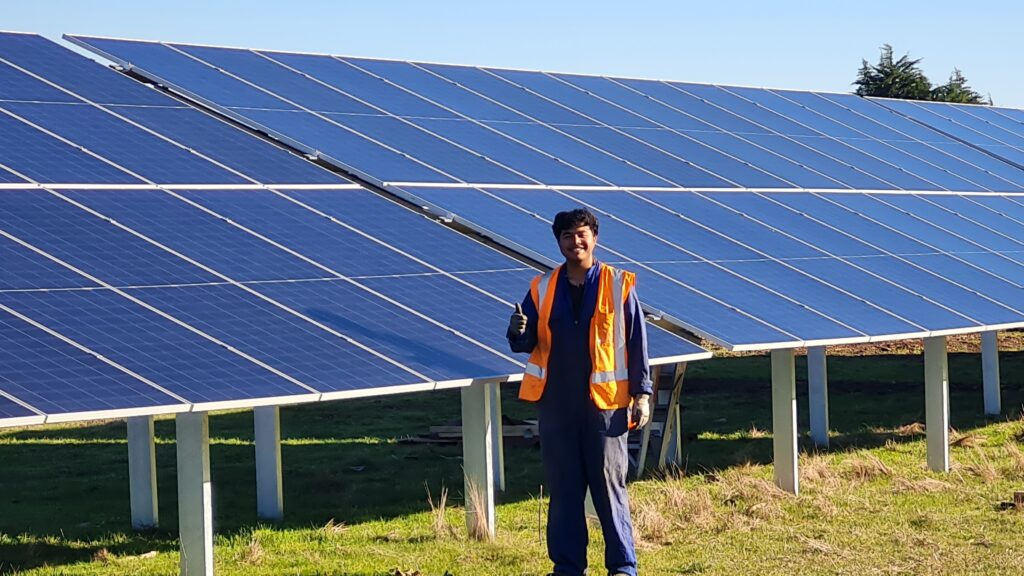
Today, all of our electricity, across both vineyard operations and on-site winemaking, is supplied by Kea Energy. From vineyard activity through to vinification, cellaring, bottling and labelling, every part of our day-to-day operation is connected to this supply.
Kea Energy generates electricity entirely from renewable sources and matches its total generation to customer demand over the course of the year. By sourcing all of our electricity through this system, our work is supported by renewable generation that is grounded in New Zealand conditions and infrastructure.
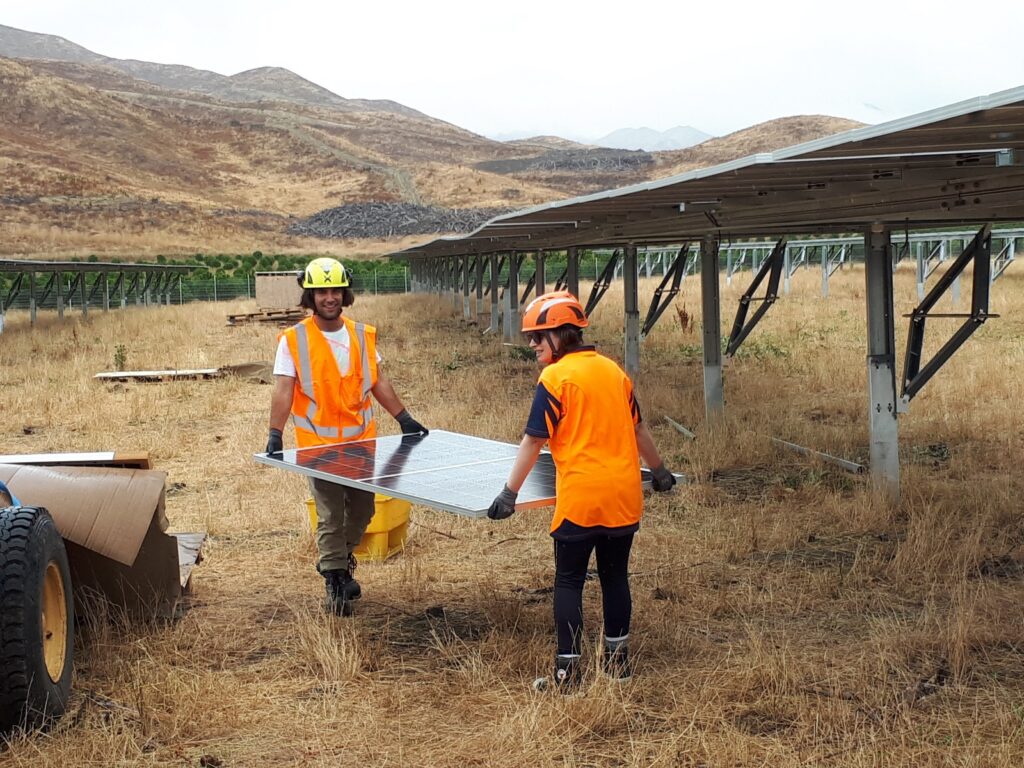
Electricity, however, does not move through the grid in a way that allows it to be traced directly from source to use. For this reason, the “renewable” attribute of electricity is often separated into certificates, which can be bought and sold independently of the power itself. Many organisations rely on these instruments to make renewable claims, regardless of their direct connection to generation.
Our approach is to stay close to the physical system. We work directly with a New Zealand generator whose portfolio is entirely renewable, supporting both current supply and future development. We are continuing to strengthen the traceability of this relationship over time, but what matters most is the direction: towards an energy model that is grounded, transparent and aligned with how we actually operate.