



For wine producers in Hawke’s Bay, sustainability is no longer an abstract ambition but a practical, daily discipline. At Te Mata Estate, this philosophy has long extended beyond the vineyard into packaging, where decisions about glass bottles carry real environmental weight. For more than fifteen years, the estate has worked with O-I to use recycled glass and progressively lighter bottles, embedding circular thinking into every stage of production.
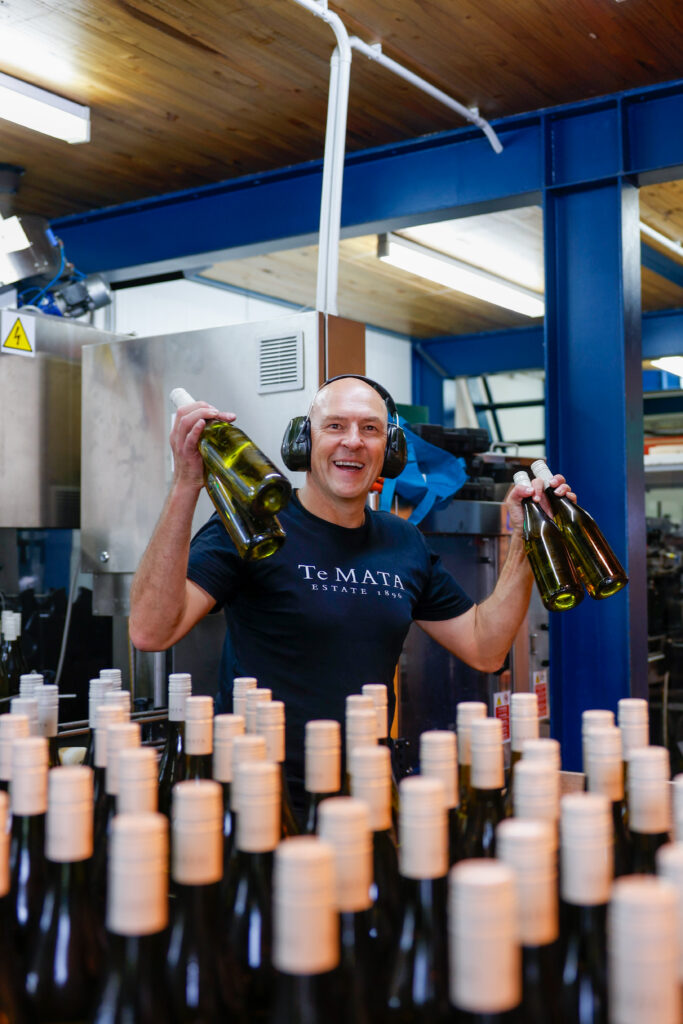
Glass is uniquely suited to this approach. It is one of the few packaging materials that can be recycled endlessly without loss of quality, forming the basis of a true circular economy. Around 80 percent of recycled glass is remade into new bottles, often within weeks, reducing reliance on raw materials and lowering energy use in manufacturing. Each increase in recycled content directly cuts carbon emissions, making recycled glass not just a symbolic choice but a measurable one.
For a winery exporting roughly half its production to more than 45 countries, weight becomes a critical factor. Traditional heavy glass bottles, once associated with prestige, carry a hidden environmental cost in transport. Lighter bottles reduce shipping weight across every stage of the journey, from Hawke’s Bay to global markets, compounding emissions savings at scale. At Te Mata Estate, where wines are bottled onsite and shipped internationally, these incremental reductions add up to a meaningful impact over time.
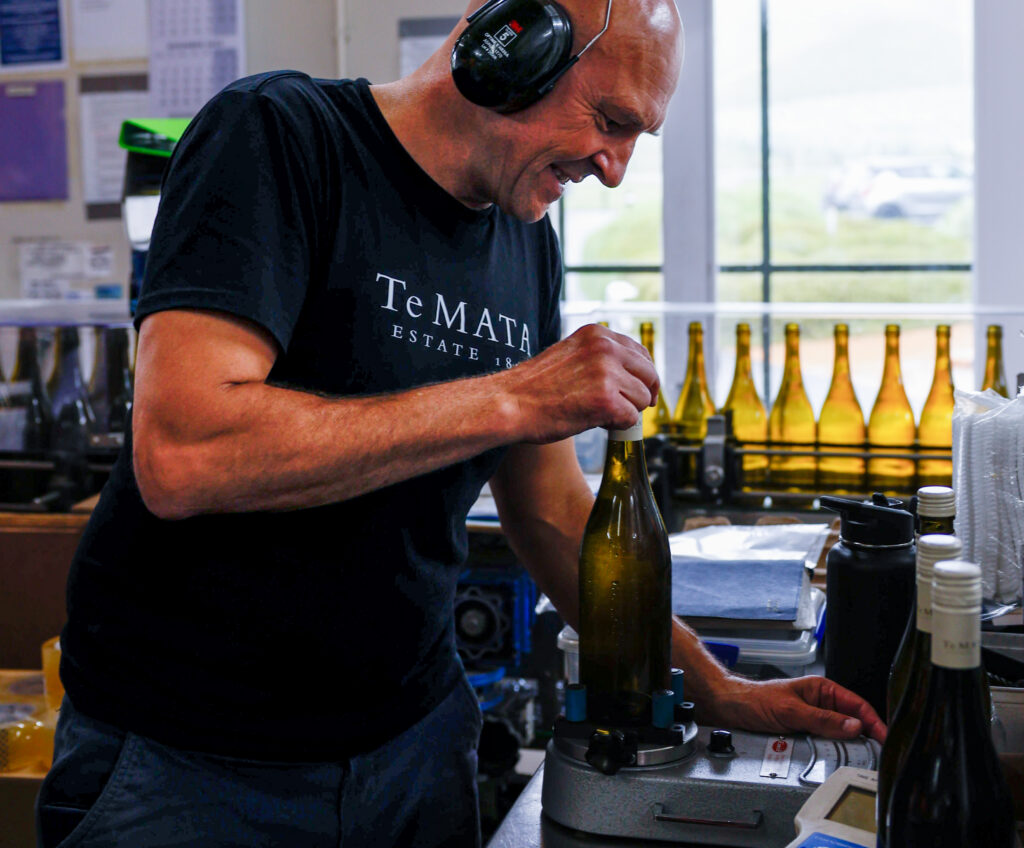
The choice of lighter recycled glass also reflects a broader cultural shift within the wine industry. Increasingly, producers are questioning the visual language of weight and excess, recognising that quality resides in the wine itself rather than in heavy packaging. For Te Mata, the move toward lighter bottles is both practical and philosophical: a commitment to authenticity, where presentation aligns with environmental responsibility rather than perceived luxury.
Ultimately, the adoption of recycled, lightweight glass is not a single innovation but part of a continuum of small, deliberate improvements. As Te Mata Estate frames it, sustainability is built through “1% changes” across the entire system, from vineyard practices to packaging choices. In this context, the bottle becomes more than a container. It is a visible expression of stewardship, linking Hawke’s Bay to a global network of consumers while reducing the footprint of every glass poured.