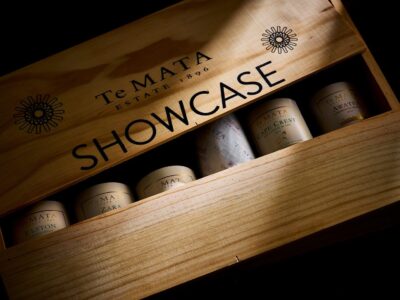

For Te Mata Estate, innovation and responsibility have always gone hand in hand. The winery has been part of the Hawke’s Bay landscape for more than 130 years, and throughout that time it has taken a practical, long term view of how wine should be made and presented. That outlook has been shaped by leadership within the wider wine industry as well.
John Buck, former chairman of the New Zealand Wine Institute and a Fellow of Wine who was later awarded a CBE for services to wine, helped guide the national industry during its modern development. Today CEO Nick Buck, a former chairman of Hawke’s Bay Winegrowers, continues that tradition of involvement. With that perspective comes a sense that wineries should take responsibility not just for the wine itself, but for how it is produced and packaged.
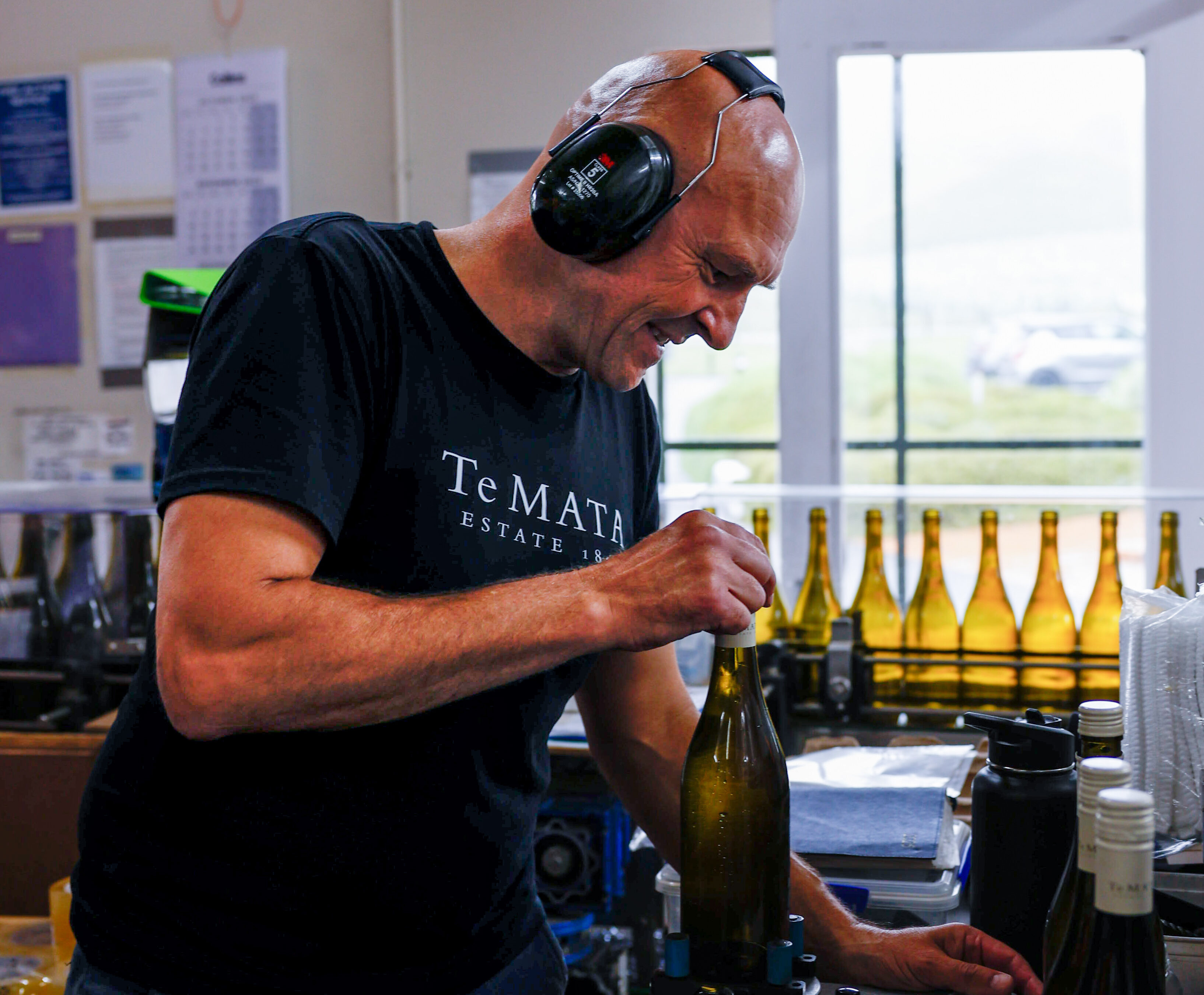
One of the distinctive things about Te Mata Estate is that the winery has always bottled its wines on site. The original winery buildings are still in use today, making the estate a true vine to glass operation. Grapes are grown, fermented, matured and bottled at the same historic property before being shipped out through the Port of Napier to markets around the world. A small bottling line, run by a dedicated full time team, allows careful oversight of every stage of the process. That level of control makes it easier to make thoughtful decisions about materials, including the bottles themselves.
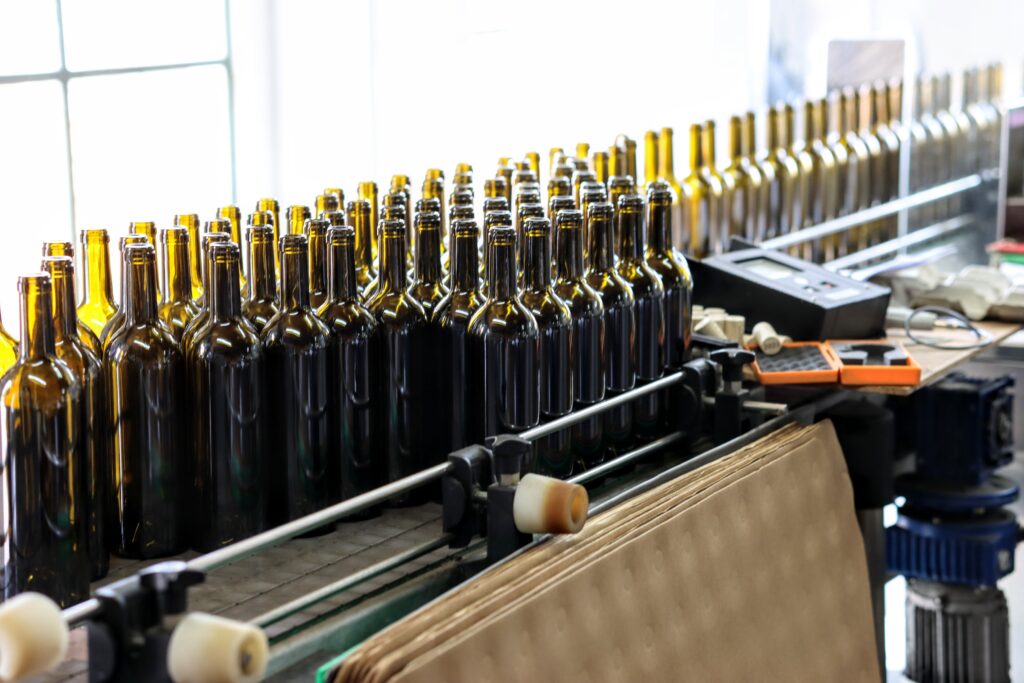
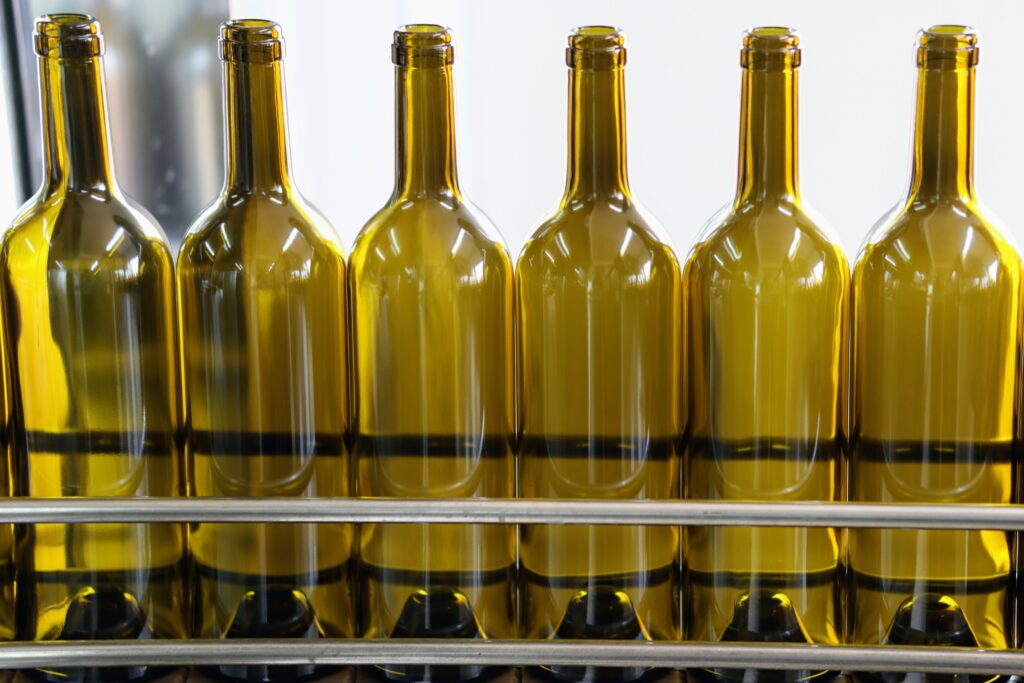
For more than fifteen years Te Mata Estate has used recycled glass and lighter weight bottles wherever possible. The environmental benefits are clear. Producing and transporting glass has a carbon footprint, and lighter bottles reduce the weight that needs to be moved across the world. For a winery that exports more than half of its production overseas, those small differences add up in a meaningful way.
There is also a stylistic element to it. In some parts of the wine world, very heavy bottles have become a way of signalling prestige or importance. But weight does not improve what is in the glass. At Te Mata Estate the view has long been that wine should stand on its own merits. A lighter bottle feels more refined and more honest, letting the wine itself carry the message rather than relying on packaging to create an impression.
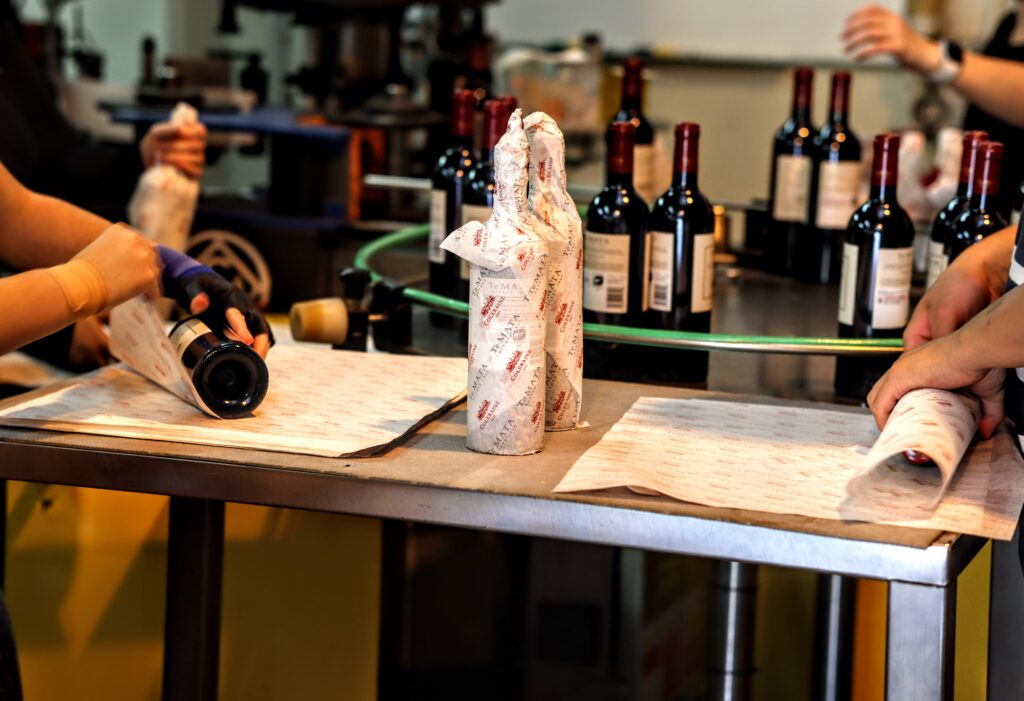
Te Mata has also always been an exporting winery. As early as 1909 it was the largest exporter of wine in New Zealand, and today its wines are sold in more than forty countries. With that global outlook comes an awareness of shipping and logistics. Every bottle leaving Hawke’s Bay travels a long distance to reach its destination, so reducing weight wherever possible is a simple and sensible step.
The estate works with glass supplier O I, whose bottles include recycled glass and are part of a circular recycling system. Glass can be recycled again and again without losing quality, which makes it one of the most sustainable packaging materials available. For Te Mata Estate, choosing lighter recycled glass is simply a continuation of the same philosophy that has guided the winery for generations: careful stewardship, practical innovation, and a focus on doing things properly from vine to glass.
Further reading
https://www.o-i.com/
https://www.o-i.com/sustainability/