• Top 20 Wines of NZ 2025

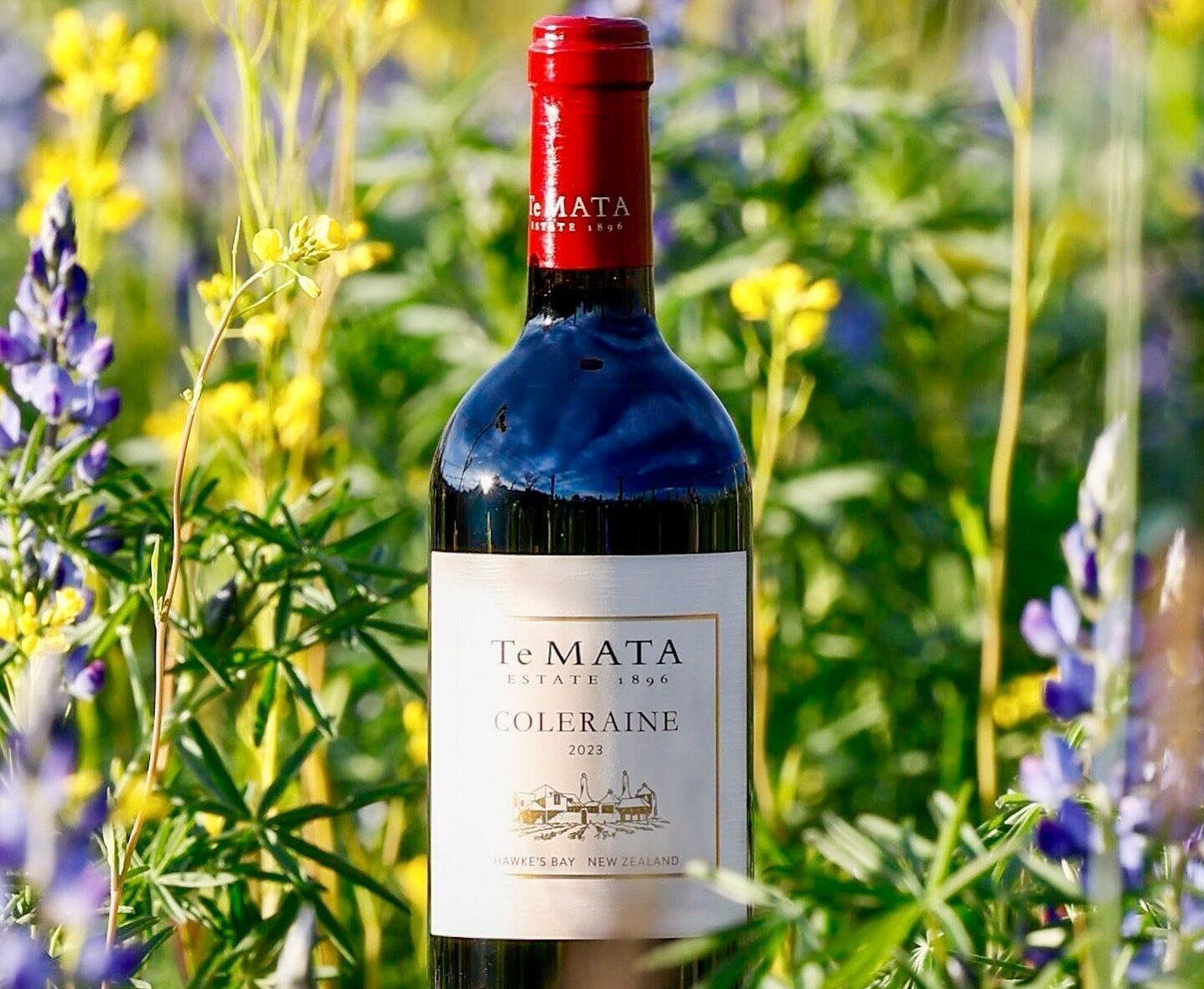
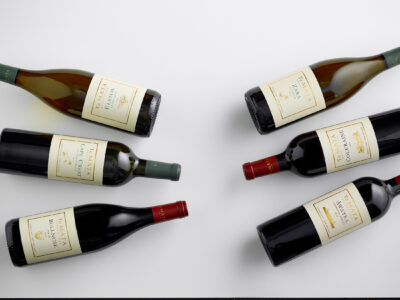
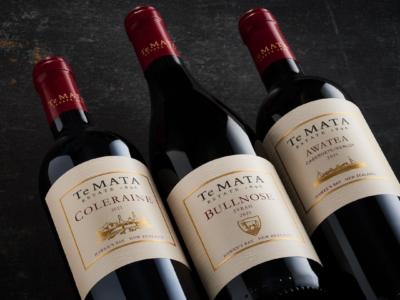
    Te Mata Estate is immensely proud to have not one but two wines named among James Suckling’s Top 20 Wines of the Year – a rare honour in the global world of fine wine. Coleraine Cabernet Merlot 2023 and Elston Chardonnay 2024 sit alongside some of the most celebrated wines in the country, marking a moment of recognition that reflects decades of dedication, vision, and craftsmanship. For any winery, placement in this list is a remarkable achievement; for a single estate to appear twice in the Top 20 is extraordinary.

    James Suckling, one of the world’s most influential wine critics, is known for his rigorous, discerning approach, and his annual list has become an international benchmark for quality. That Te Mata Estate features twice underscores the exceptional standards upheld across the entire winery – from vineyard to cellar, from blending decisions to barrel work. It signals that these wines aren’t just strong examples within New Zealand; they are among the finest anywhere.

    What makes this recognition even more special is the breadth it represents. Coleraine, our flagship Cabernet Merlot from Hawke’s Bay, stands proudly as a benchmark for New Zealand reds, while Elston showcases the elegance and purity that Hawke’s Bay Chardonnay can achieve at its very best. For a winery to excel in both Bordeaux varieties and Chardonnay is exceptionally uncommon – especially in a New Zealand context.

    Together, these two accolades affirm something Te Mata Estate has long believed: that world-class winemaking is not defined by a single variety, but by the depth, consistency, and integrity of the entire estate. Having both Coleraine 2023 and Elston 2024 recognised among the Top 20 Wines of the year celebrates not just two outstanding releases, but the strength and versatility of our vineyards, our team, and our enduring commitment to excellence.

  • Vintage 2024 – the holy grail?

    Vintage is, for us, a celebration of the reflection of time and our terroir—each one distinct, each one shaped by the land, people, and nature. In 2024, we had time to find poise. It was an incredible vintage, producing beautifully balanced wines —powerful yet restrained, and deeply thought-provoking. A vintage that rewarded precision. Each pick, each parcel, each ferment was handled with a jeweller’s attention to detail – a deliberate pursuit of purity. The result is a range of extraordinary wines.


    Vintage 2024
    Technical Report from Senior Winemaker Phil Brodie Vintage is, for us, a celebration of the reflection of time and our terroir—each one distinct, each one shaped by the land, people, and nature. In 2024, we had time to find poise. The 2024 was an incredible vintage, producing beautifully balanced wines with precision—powerful yet restrained, and deeply thought-provoking. Wines with a degree of umami, salinity, and acidity to focus the wine, give tension and energy, and sweeten the tannins on the finish. The wines have delivered an amazing sense of place.

    Winter – Spring
    Early winter was dry, then came some rain, which was needed to replenish our underground water table. Thankfully, we received a beneficial volume of rain in the early part of spring that gave us the ability to recharge our soils and grow a healthy, full canopy. From there on, we received very little in terms of significant rain events, and with a cool, dry, windy flowering period, smaller bunches formed, promoting reduced potential yields. We then began to see blocks experience levels of water stress. Given intimate knowledge and understanding of our soils across the various subregions, we started increasing irrigation to allow the vines to combat heat spikes in late December and January.

    Summer – Autumn
    December to early February saw rapid heat accumulation with above-average temperatures. There was very little rain over these months, giving clean canopies, clean fruit, controlled vine stress, and very small berries on both whites and reds. These factors, combined with exceptionally low cropping rates, produced an early harvest, starting with some hand-picked Chardonnay for Elston on 26 February with good sugars and balanced acids.

    Harvest
    Harvesting continued through into April with classical daytime temperatures in very dry conditions, combining with tiny berries to produce significantly lower yields, both in cropping rates and juice yields. As a result, the whites showed great intensity and tension, with wonderful natural acidity, and the reds are deeply coloured with plenty of extract, rich with purity, complexity, and length.

    Conclusions – Notes of Significance
    • A very dry preceding winter
    • Early onset of vine stress monitored by new advanced technology coupled with precision irrigation
    • Above-average heat summation (1590 GDD — Growing Degree Days)
    • A tapering of warm nights in early February led to retention of acids, contributing to
    the wines’ varietal expression, balance, and wonderful length
    • Beautiful clean fruit with no disease pressure
    • Exceptionally low crops with tiny berries and great concentration
    • White wines – acid retention, pure with intense complexity
    • Red wines – deeply coloured, complex, and structured

    Through the continuous improvements from the formalisation of our winery and vineyard R & D programme, including organic, biodynamic and regenerative practices, new pruning techniques, greater experience with an intimate knowledge of our blocks down to the individual vine, increasing vine age, and attention to detail, all this coupled with such an incredible vintage the wines from 2024 are absolutely stellar.
    Can we see The Holy Grail?


    Download the Technical Report from Te Mata Estate here.

  • Spring Crimper in Action

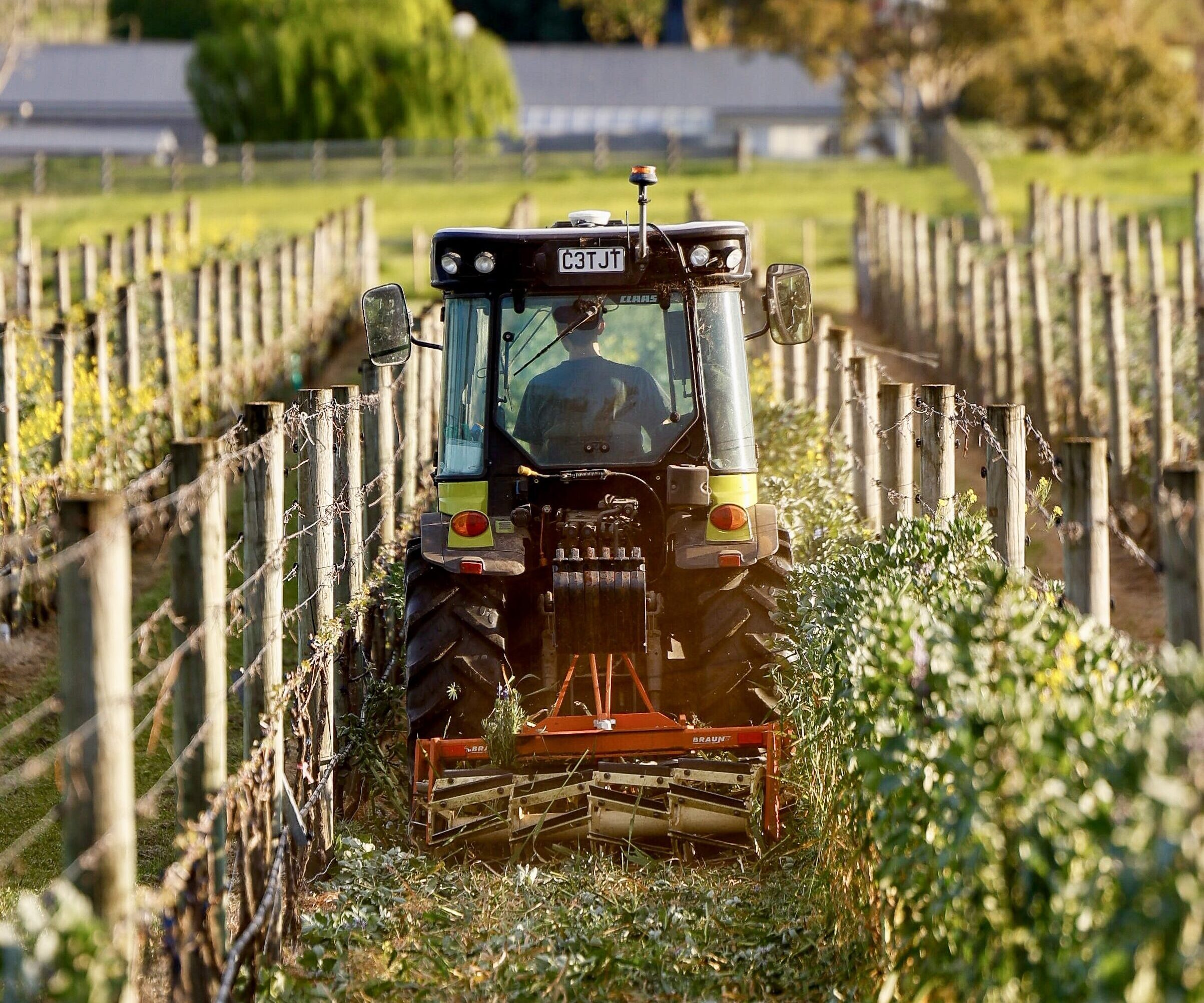
    Spring has truly arrived in the Te Mata Estate character zone, and the vineyards are bursting with life. Between the vines, a carpet of mustard seed, tick bean, and phacelia is in full flower, bringing vibrant colour to the rows. These companion plantings aren’t just beautiful – they play a vital role in our organic and regenerative viticulture practices, supporting the vineyard ecosystem while setting the stage for another remarkable vintage.

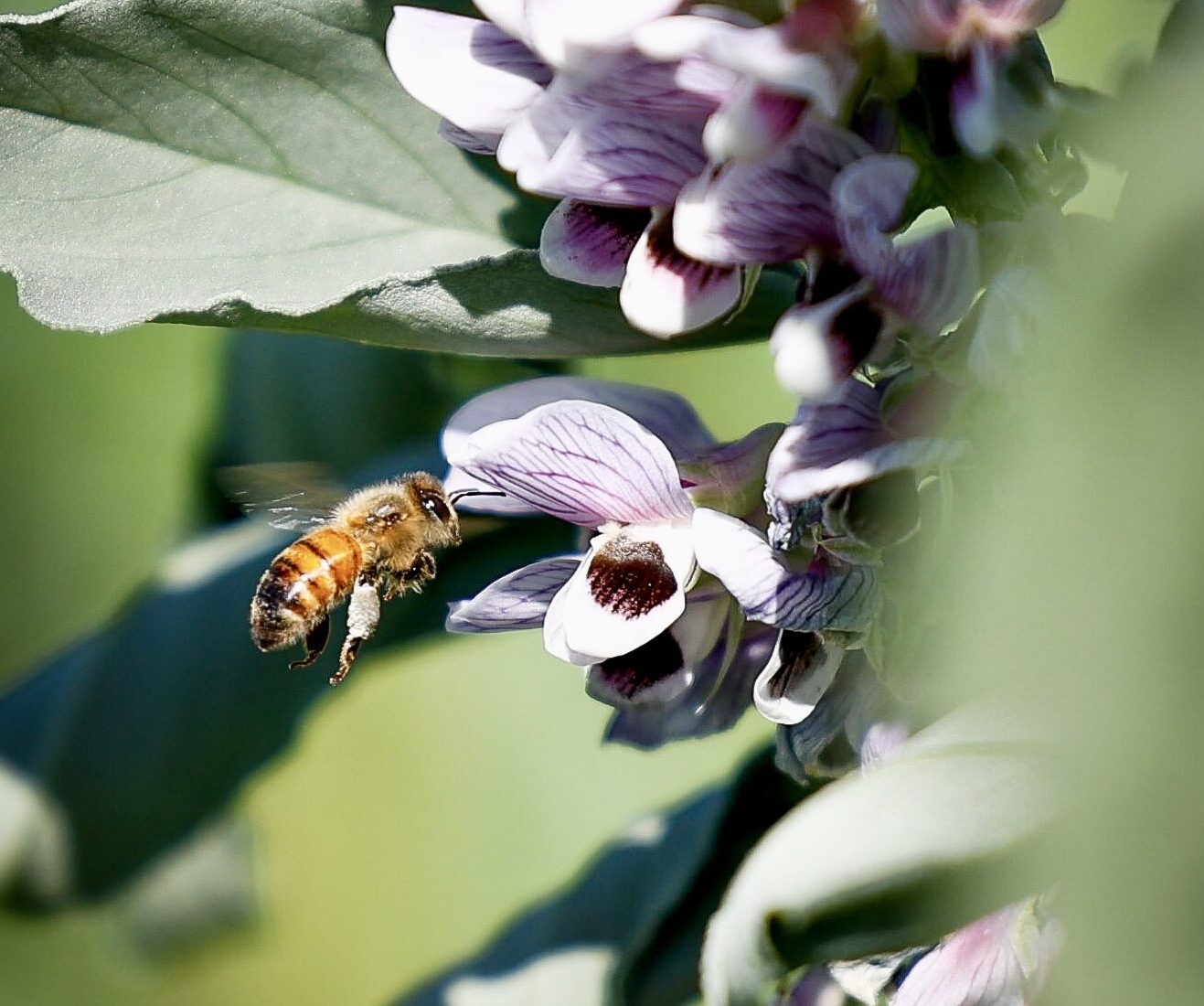
    Walking through the vines right now, you’ll see clouds of bees from local Arataki hives busy at work, moving from blossom to blossom. Their presence is a living sign of the biodiversity we encourage here. By planting species like phacelia, which bees love, we’re not only improving pollination but also strengthening the resilience of the vineyard as a whole. The hum of activity is a reminder that healthy vineyards are alive with more than just grapes.

    These cover crops do more than attract beneficial insects. Tick beans, for example, naturally fix nitrogen into the soil, while mustard seed helps manage pests and disease pressure. Phacelia’s deep roots aerate the soil, improving structure and water retention. Together, they boost soil health in a natural, sustainable way, reducing the need for intervention and keeping the vineyard in balance.

    At Te Mata Estate, we’ve always combined time-honoured techniques with innovative approaches, and our spring cover crops are a perfect expression of that philosophy. By weaving organics, regenerative viticulture, and biodiversity into the fabric of our vineyard, we’re not only caring for the land but also crafting wines that carry the character of a thriving, living environment. Right now, the vineyard is alive with colour, life, and promise – the perfect start to the season ahead.


    <iframe title=”vimeo-player” src=”https://player.vimeo.com/video/1124790237?h=58307b0025″ width=”640″ height=”360″ frameborder=”0″ referrerpolicy=”strict-origin-when-cross-origin” allow=”autoplay; fullscreen; picture-in-picture; clipboard-write; encrypted-media; web-share” allowfullscreen></iframe>


  • Multi-Generational Wine

    The Gift of Time: Wine as Legacy
    There is something quietly magical about a bottle of wine that does more than mark a moment. It becomes part of a story that can stretch across decades. At Te Mata Estate, this idea is not romantic fantasy. It is a living tradition built on craftsmanship, place, and time. Since 1896, Te Mata has tended vineyards on the Havelock Hills of Hawke’s Bay, hand harvesting and making wine entirely on the estate, in the same historic buildings and original cellars that generations of winemakers have worked in.

    Buying a bottle of Te Mata with the future in mind transforms it into a vessel of memory. A bottle put aside for twenty or thirty years becomes a gift for the next generation, a reminder of births, anniversaries, or milestones yet to come. In that way, wine becomes more than something to drink. It becomes legacy.

    Why Te Mata Wines Age: The Craft Behind the Cellar
    Not all wines are made to last. To age gracefully, a wine needs balance and structure, along with the sort of quiet restraint that allows it to evolve rather than fade. At Te Mata, decades of experience and a deep connection to the land come together to create exactly that. Coleraine, the estate’s flagship red, first made in 1982, has become an icon of long aging potential. What began as a single vineyard bottling is now a blend of carefully selected parcels from some of the oldest vineyards on the Havelock Hills, first planted in the 1890s.

    Winemaking here is classical and respectful. Grapes are destemmed, gently fermented, and allowed an extended maceration before a long maturation in French oak barriques. Once bottled, the wine’s fine tannins and brilliant acidity carry it through decades of development. Coleraine often behaves like a fine Bordeaux in its structure and longevity, yet its soul is pure Hawke’s Bay, shaped by coastal breezes, mineral soils, and long, even growing seasons that give it both freshness and power.

    Proven Track Record: Wines That Evolve Beautifully
    Te Mata’s reputation for cellar worthy wines is not theoretical. Vintage after vintage has shown how well these wines can age. Bottles from the early eighties still offer freshness and personality. Landmark vintages, such as 1998, have been celebrated internationally as some of the greatest wines ever produced in New Zealand. More recent vintages continue that tradition, with notes of dark fruit, graphite, cedar, and floral perfume, all wrapped in the bright energy and polished tannins that signal a long life ahead.

    For collectors and wine lovers alike, this consistency is what makes Te Mata such a dependable choice for the cellar. These wines not only survive the years, they thrive in them, gaining depth, softness, and complexity while holding on to their natural freshness.

    Wine as a Multi-Generational Gift
    Imagine a new parent buying a bottle of Coleraine the year their child is born, tucking it away, and handing it over on a twenty-first birthday, wedding, or another important milestone. A wine like this matures slowly, its fruit deepening from bright berries to richer, darker tones, its tannins softening into silky structure, its layers of earth, spice, and minerality becoming more woven and complete. What you give is not simply a bottle. You give time, memory, and the story of a place cared for over generations.

    Because Te Mata wines come from historic vineyards and a family-led estate that has been working the same land since the nineteenth century, the gift carries provenance and meaning. It feels less like a commodity and more like an heirloom.

    Why Now Is a Great Time to Begin a Cellar
    Recent vintages at Te Mata have been especially promising. The wines are concentrated, pure, and structured, shaped by low yields and small berries that offer exceptional depth. Some of these vintages have already received outstanding recognition. For anyone considering a future gift or simply building a cellar, this is an ideal moment. Each bottle begins its life with great promise, backed by more than a century of heritage and care.

    More Than Wine: A Living Tradition
    At its heart, wine is about time. It is about patience, craft, and trust in what the future can bring. At Te Mata, that idea is present in every vine, every barrel, and every bottle. Whether you age a wine for decades or open it in a few years to celebrate something meaningful, you are tasting more than wine. You are tasting history, hard work, and hope.

    So when you are looking for a gift that lasts, a memory that deepens, or something that will grow more beautiful with time, consider a bottle from Te Mata Estate. It does not just age. It endures.

  • What is French Oak?

    At Te Mata Estate, oak is far more than a vessel; it is a vital partner in crafting wines that evolve gracefully over time. Our winemaking philosophy embraces the classical tradition of using French oak barrels to shape structure, aromatic complexity, and elegance across a broad spectrum of styles. From the vibrant, fruit driven expression of estate Gamay to the depth of flagship reds like Coleraine and Watertower, oak integration is thoughtfully tailored by our winemaking team to suit each wine’s character and long term development.

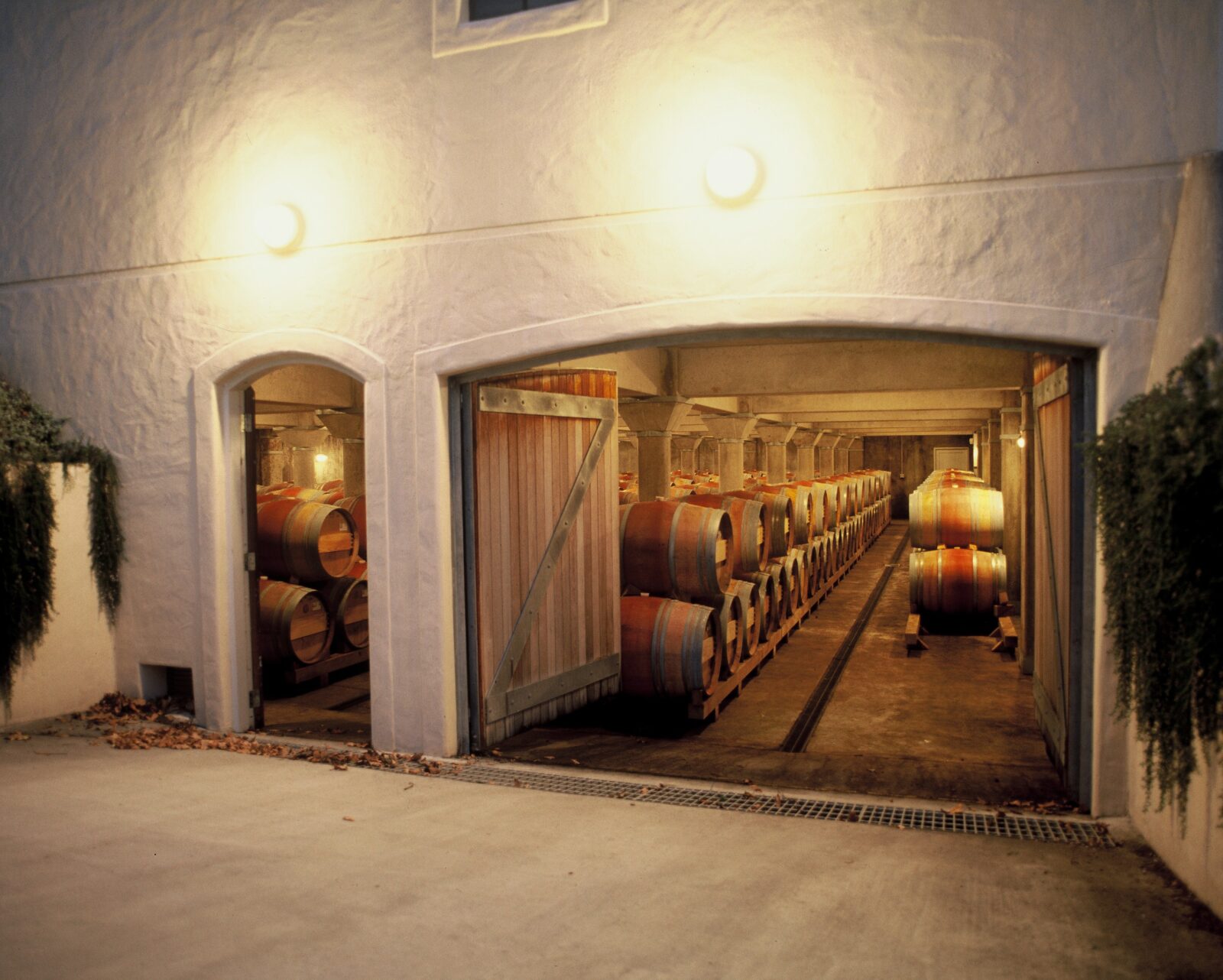
    We source premium medium toast French oak from renowned forests across France and work in long standing relationships with trusted cooperages who understand our approach. This level of selection ensures each parcel of wine receives the right barrel for its varietal personality. Cabernet Sauvignon is paired with an oak program inspired by traditional Bordeaux structure. Syrah benefits from a Rhône influenced approach, while Pinot Noir and Chardonnay follow Burgundian tradition. Whether a wine needs only a short period in barrel or many months of careful maturation, every decision reflects our pursuit of balance and refinement.

    Our oak program also includes the thoughtful use of new barrels where appropriate. The gentle spice and toast characters, from cinnamon and nutmeg to subtle vanilla, contribute layers of texture and tannin that support longevity and expression. These influences enrich the wine without overpowering the purity of fruit and floral aromatics that define Te Mata Estate’s style. By calibrating oak use with precision and care, our winemakers ensure that each wine’s journey from fermenter to barrel to bottle enhances its ability to age beautifully.

    This commitment to oak has been part of Te Mata Estate from the beginning. More than 130 years ago, barrels arrived through Napier Port just as they do today, linking our wines to the maritime heritage shared by many of the world’s great wine regions. This continuity of history, combined with ongoing research and technical innovation, is central to why Te Mata Estate remains one of New Zealand’s most respected producers and why our barrel program is such an essential part of creating wines that develop gracefully over time.

  • Say Hi to Mabel

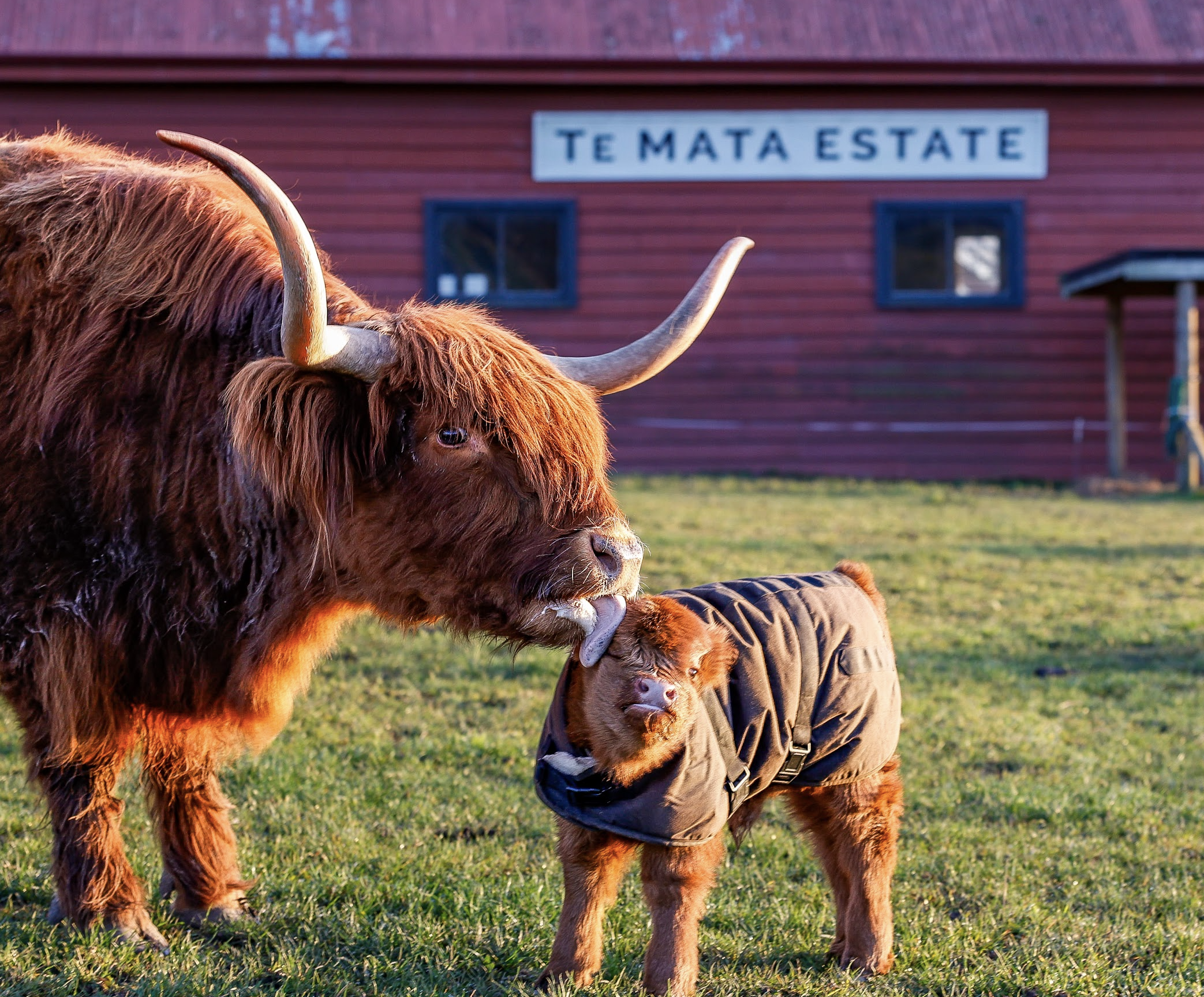
    Say hi to Mabel! The newest member of our Highland Cattle family was born to Ella on August 10th. She’s happy, healthy, and absolutely adorable.

    The Highland Cattle are loved by the Te Mata team and visitors alike and help create our biodynamic mixture, which we spray on the soil this time of year. It’s fantastic for soil health – and great for vine growth.

    Here’s to longer days and fresh beginnings!


  • Spring Flowers

    Spring has truly arrived in the Te Mata Estate character zone, and the vineyards are bursting with life. Between the vines, a carpet of mustard seed, tick bean, and phacelia is in full flower, bringing vibrant colour to the rows. These companion plantings aren’t just beautiful – they play a vital role in our organic and regenerative viticulture practices, supporting the vineyard ecosystem while setting the stage for another remarkable vintage.

    Walking through the vines right now, you’ll see clouds of bees from local Arataki hives busy at work, moving from blossom to blossom. Their presence is a living sign of the biodiversity we encourage here. By planting species like phacelia, which bees love, we’re not only improving pollination but also strengthening the resilience of the vineyard as a whole. The hum of activity is a reminder that healthy vineyards are alive with more than just grapes.

    These cover crops do more than attract beneficial insects. Tick beans, for example, naturally fix nitrogen into the soil, while mustard seed helps manage pests and disease pressure. Phacelia’s deep roots aerate the soil, improving structure and water retention. Together, they boost soil health in a natural, sustainable way, reducing the need for intervention and keeping the vineyard in balance.

    At Te Mata Estate, we’ve always combined time-honoured techniques with innovative approaches, and our spring cover crops are a perfect expression of that philosophy. By weaving organics, regenerative viticulture, and biodiversity into the fabric of our vineyard, we’re not only caring for the land but also crafting wines that carry the character of a thriving, living environment. Right now, the vineyard is alive with colour, life, and promise – the perfect start to the season ahead.


  • Wine Advocate x Te Mata Estate

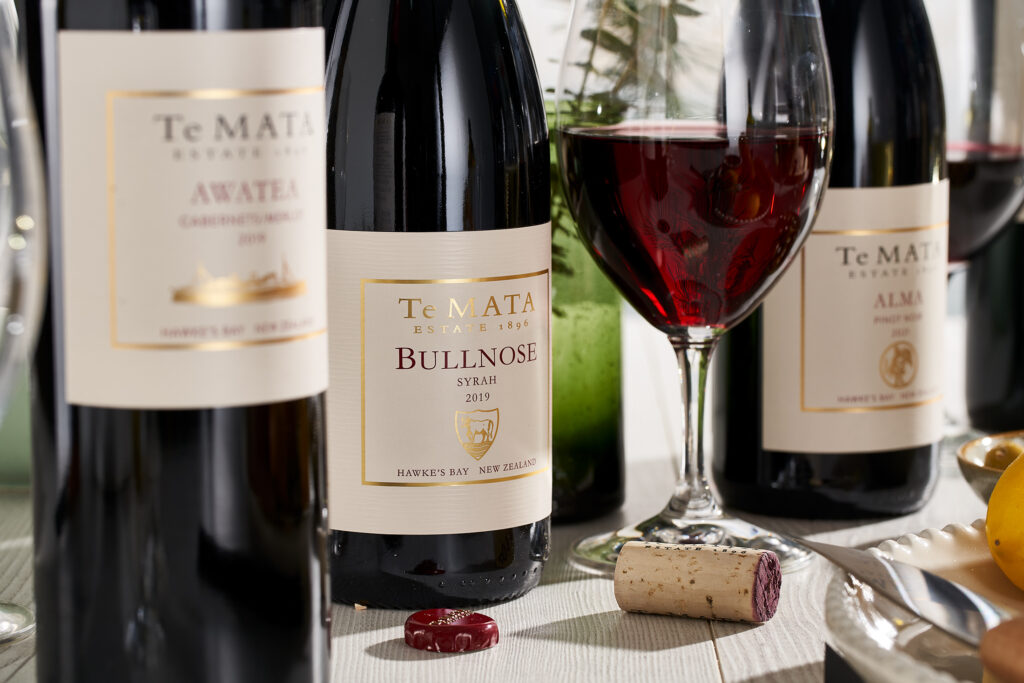
    2023 Te Mata Estate Bullnose Syrah – RP 94

    The 2023 Bullnose Syrah leads with crushed rocks and rose petals, pomegranate pearls, raspberry and a shading of tapenade. In the mouth, the wine is silky and medium-bodied, more leafy than in previous vintages but leaning toward dried herbs rather than anything indicating “greenness.” A casing of dark chocolate or powdered cocoa is like a gossamer sheath over the fruit and is very attractive. As ever, this is an impressive wine from this Cabernet-focused house in Hawke’s Bay. As usual, the tannins are chalky and supple through the middle palate, and they serve to define the finish


    2022 Te Mata Estate Coleraine – RP 97+

    The 2022 Coleraine is a blend of 84% Cabernet Sauvignon, 13% Merlot and 3% Cabernet Franc. On the nose, the wine shows its sweet creamy oak, a cavalcade of dark fruit and an array of spices. The wine is powdery and ultra fine, with a gravelly score of tannin woven through the finish. A spectacular wine, it’s still looking so primary and young at this early stage. I note the total acidity is akin to the 2013 vintage, and it serves to add an extra layer of freshness to the finish—a little uptick to close, if you will. This is awesome. It gets better every time I taste it.


    2021 Te Mata Estate Coleraine – RP 98

    The 2021 Coleraine is the third in a trio of great vintages and comprises a blend of 56% Cabernet Sauvignon, 32% Merlot and 12% Cabernet Franc. The bouquet is all bramble and spice, with fresh grated nutmeg, a hint of star anise, raw cocoa, raspberry seed, cassis, new leather and iodine. There is also a crushed oyster shell aspect here that I find most appealing. On the palate, the tannins make their presence felt in a register of tactile chewiness and encourage movement and thought. Ultimately, while I find this vintage to be stylistically aligned with 2020, it is very different in its final impact. It feels to me as if 2021 harnesses the structure and intrigue of 2019 with the creamy lushness of 2020 and puts them together in a burst of balance. This wine is like a star coming into existence—there’s a bang, a burst of light and a settling period—and it’s astoundingly good.


    2020 Te Mata Estate Coleraine – RP 97

    If the 2019 Coleraine got you going, then the 2020 will do just the same, albeit at a different speed. Where the 2019 is evolving into a spicy, elegant, medium-bodied affair, the 2020 Coleraine is all silk, creamy finesse and power. It offers abundant fruit, the oak framing is creamy and soft and the tannins are ductile and firm, fully ensconced in the fruit—embossed into it, even. The wine is chewy with pouch tobacco, graphite, raspberry seed, saffron, raw cocoa and nori sheets. It makes me say, “Yes, yes and yes again.” The choice between 2019 and 2020 is purely going to be based on your mood: 2020 will soothe, while 2019 will stoke.


    2019 Te Mata Estate Coleraine – RP 97+

    The 2019 Coleraine offers a kaleidoscopic spectrum of complexity here, with sweet tobacco, graphite, nori, iodine, fresh blood, pomegranate molasses, layers of cassis, dark chocolate, raspberry seed and sweet roasted beetroot. This is the wine at its most complete; there is everything from leaf, earth, fruit and spice. An array of characters that harness an equal array of emotions is ultimately a wine I want to drink and enjoy. Without a doubt, this is New Zealand’s greatest Cabernet blend, and it more than holds its own on a global stage. It’s super and comes warmly recommended.


    2018 Te Mata Estate Coleraine – RP 97+

    The 2018 Coleraine is supple and silky. A cavalcade of red and brown notes tumbles forth across the palate, with pomegranate molasses, nutmeg, layers of cassis, bramble, mahogany and raspberry seed. The wine is incredibly fresh, and it’s starting to offer notes of attractive development, albeit at a very slow pace. This 2018 today is the window into both youth and evolution; we can see where it started, in its fete of vibrant youth and energy, but we can also see where it is going, and both views offer pleasure.


    2013 Te Mata Estate Coleraine – RP 97

    The 2013 Coleraine comprises 56% Cabernet Sauvignon, 30% Merlot and 14% Cabernet Franc. Aromatically, the wine offers saturated purple berries with cassis, licorice/aniseed, raspberry seeds and dark chocolate. On the palate, it exhibits all the chalkiness that defines its success, making it feel both pliable and ductile in its texture, akin to the texture of raw cocoa (fine, powdery, chalky a little grippy/gravelly). It’s excellent. Lovely fresh acidity through the finish lifts it into the register of graphite/lead pencil.


    2007 Te Mata Estate Coleraine – RP 95

    The 2007 Coleraine is silky and chalky on the palate, with redcurrants, pink peppercorns, a sway of hung deli meat and raw cocoa and layers of graphite and cooling minerals. It is distinctly savory, light and fine. The wine’s defining and most attractive feature is its tannic structure, neatly tucked into the oak, which at this point, and at all points of its evolution, feels seamlessly supportive. It doesn’t have some of the complexity of the younger vintages, yet it remains a beautiful wine. The blend is 52% Cabernet Sauvignon, 34% Merlot and 14% Cabernet Franc.


    1992 Te Mata Estate Bullnose Syrah – RP 94

    The 1992 Bullnose Syrah was Winemaker Phil Brodie’s first vintage at Te Mata, and the wine is all cocoa, dark chocolate, hung deli meat, clove, star anise and nutmeg. It has evolved into an older wine today; however, the palate remains silky and fine, tempered by cracked autumn leaves, pomegranate molasses, tapenade, lotus leaf, sweet tobacco and crushed gravels. Chalky tannins have been all but decimated by time and are now fully embossed into the fruit. It has blood orange and sweet, smoky marrow through the finish.


    1991 Te Mata Estate Coleraine – RP 95

    The 1991 Coleraine is now 34 years from its harvest, and the wine coincides with Winemaker Phil Brodie’s arrival at Te Mata. While he had no part in the picking and assemblage, he was here to play a part in its final composition and bottling. While the 1982 featured a portion of American oak—owing mainly to the fact that French oak was, at that time, in short supply—this 1991 is 100% French. On the nose, the wine gives us dried rose petal, summer rain/petrichor, pressed sandalwood, cocoa, autumn leaves and pomegranate molasses. The wine today exhibits all the same tannic structure and texture of the current-day Coleraines, further emphasizing to me this wine’s greatness, its aptitude for graceful aging and my confidence in it as a true fine wine of the world. The bottle I tasted was opened five hours ago, and it remains in condition all this time later. It has not fallen over, and the wine will have many years left in it, I am sure. This is another great Coleraine experience.
     

  • NZ Poet Laureate becomes Commonwealth Laureate

    For the first time in its 75-year history, the Commonwealth of Nations has a Poet Laureate. 
    Te Mata Estate founded the NZ laureate position in 1996.

    Posted on 30/06/2025 by Commonwealth Foundation

    Award-winning Pacific writer Professor Selina Tusitala Marsh ONZM, FRSNZ has been appointed by the Director-General of the Commonwealth Foundation, Dr Anne T. Gallagher AO, to the brand-new, two-year post, placing creative expression at the heart of the Commonwealth’s work.

    Selina Tusitala Marsh is the history-making first-ever Commonwealth Poet Laureate and will serve in this role until 31 May 2027. As Poet Laureate, Marsh will work on behalf of the entire Commonwealth family, connecting its 2.7 billion citizens through poetry. She will craft original poems for flagship Commonwealth events including Commonwealth Day, the Commonwealth People’s Forum, and Ministerial and Heads of Government Meetings. 

    Professor Marsh will also advise on the Commonwealth Foundation’s creative programming—as the principal agency for Commonwealth culture—and will appear in person at the Commonwealth People’s Forum and the Commonwealth Heads of Government Meeting in Antigua & Barbuda in 2026.

    Read the Commonwealth Poet Laureate’s Inaugural poem ‘Uncommon Banyan’

    Amplifying the people’s voice through art 

    From performing for Queen Elizabeth II at Westminster Abbey to mentoring new writers across the Pacific, Marsh has demonstrated how poetry can travel from palace to village hall—and back again—carrying urgent conversations about identity, climate justice, and belonging. Her appointment signals a major step in the Foundation’s drive to ‘turn supporters into change-makers’ by connecting hearts, challenging assumptions, and awaken imaginations through creativity and storytelling.  

    Selina Tusitala Marsh on her appointment 

    ‘I am deeply honoured to accept this role as the inaugural Commonwealth Poet Laureate. In Samoan, we say “O le tele o sulu e maua ai figota” – “The more torches we have, the more fish we can catch”. Poetry is our torch, illuminating paths between our diverse cultures and histories.’

    ‘The Māori proverb from Aotearoa New Zealand goes “He toi whakairo, he mana tangata” – “Where there is artistic excellence, there is human dignity.” This profound truth guides my vision for this role. Through the elevation of our creative voices, we affirm our shared humanity across the Commonwealth. When we honour the artistry within our communities— whether it flows from Samoa, my mother’s island, or New Zealand, where I was born and grew up—we recognise the inherent dignity and worth of every person whose story deserves to be told.’

    ‘When Her Majesty charged me with fostering unity through verse in 2016, I felt the weight and wonder of words that bridge worlds. Today, I accept this torch with alofa (love) and renewed commitment to amplify the voices that heal, challenge, and unite our Commonwealth family. Together, we will kindle more torches, casting light on the stories that connect us all, celebrating the artistic excellence that affirms our collective human dignity.’

    Dr Anne T. Gallagher AO, Director-General, Commonwealth Foundation 

    ‘It is through poetry that we can learn best about ourselves and each other. Poetry helps us make sense of our fragile world. It is the language of love and dreams, the language of despair and desire, of protest and rebellion. At the Commonwealth, we have come to understand that poetry – indeed creativity in all its forms – is not an embellishment of the Commonwealth story—it is a catalyst for justice, understanding, and hope. Selina Tusitala Marsh embodies that truth. Her poetry travels effortlessly from the smallest community to the global stage: illuminating the concerns and aspirations of our 2.7 billion citizens and challenging all of us to listen more closely. There could be no finer inaugural Commonwealth Poet Laureate.’ 

    Hon Shirley Ayorkor Botchwey, Commonwealth Secretary-General 

    ‘It is with great pleasure that I congratulate the first Commonwealth poet laureate, Selina Tusitala Marsh, and applaud the Commonwealth Foundation for this bold initiative. Our boundless appreciation for culture, in all its diversity and richness, is one of the things that bind us together as people of the Commonwealth. Aside from being entertaining, art helps to illuminate important issues, galvanise action, nurtures inclusive societies, offers economic opportunity and preserves our identities. We must celebrate its importance.’

    Professor Tusitala Marsh with Commonwealth Secretary-General Hon Shirley Ayorkor Botchwey and Commonwealth Foundation Director-General Dr Anne T. Gallagher AO at the Commonwealth Headquarters in Marlborough House, London

    About Professor Selina Tusitala Marsh 

    Marsh’s connection with the Commonwealth dates back to 2016, when she recited one of her poems at the Commonwealth Day service at Westminster Abbey. Most recently, she co-hosted the Commonwealth People’s Forum in Samoa.

    Marsh previously served as New Zealand Poet Laureate from 2017 to 2019. She has published three award-winning collections of poetry and created the bestselling graphic memoir series Mophead, which swept New Zealand’s book awards in 2020, including the prestigious Margaret Mahy Book of the Year.  Marsh was the first Pacific Islander to earn a PhD in English from the University of Auckland, where she now lectures in Pacific Poetry and Creative Writing and co-directs the Centre for Arts and Social Transformation, championing arts-led approaches to justice, health, and well-being. 

    • Background: Samoan, Tuvaluan, English, Scottish, and French heritage; born in Auckland, 1971. 

    • Publications: Three acclaimed poetry collections (Fast Talking PIDark SparringTightrope) and the multi-award-winning graphic memoir series Mophead

    • Honours: Officer of the New Zealand Order of Merit (2019); Fellow of the Royal Society of New Zealand (2019). en.wikipedia.org 

    • Performance highlights: Commonwealth Day Service (2016); Poetry Parnassus at the London Olympics (2012). poetryarchive.org 

    Download a full biography and pictures of Professor Selina Tusitala Marsh here.

    About the Commonwealth Foundation 

    The Commonwealth Foundation is one of the three intergovernmental pillars of the Commonwealth of Nations, explicitly mandated by its member countries to advance the interests of Commonwealth civil society. Upholding a firm commitment to the principles and ideals of the Commonwealth, the Foundation seeks to nurture the growth of vibrant and free societies: championing the active and constructive participation of people in all aspects of governance. 

    Contact: Leo Kiss, Communications Manager, Commonwealth Foundation – [email protected]

  • Beyond Biodynamics

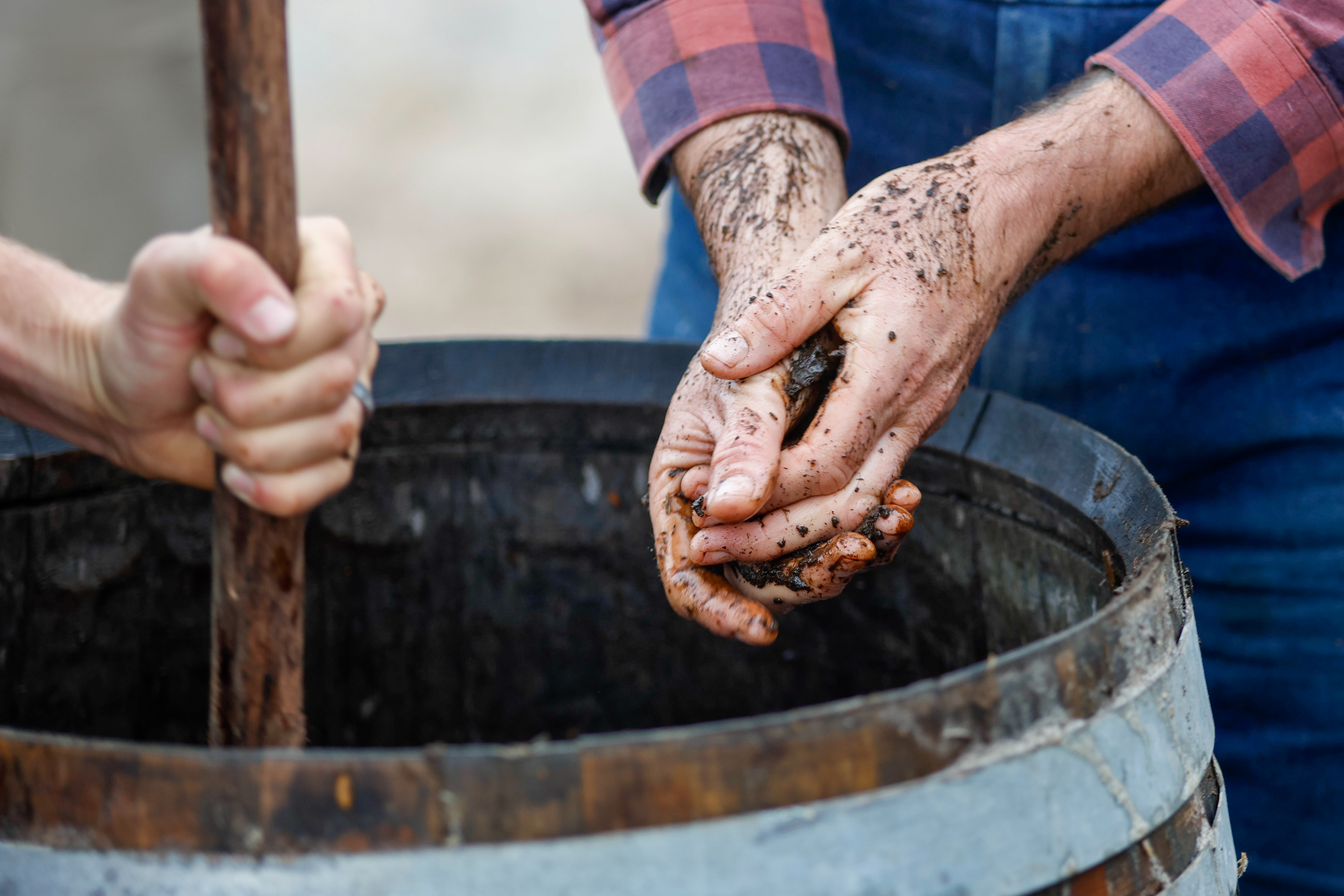
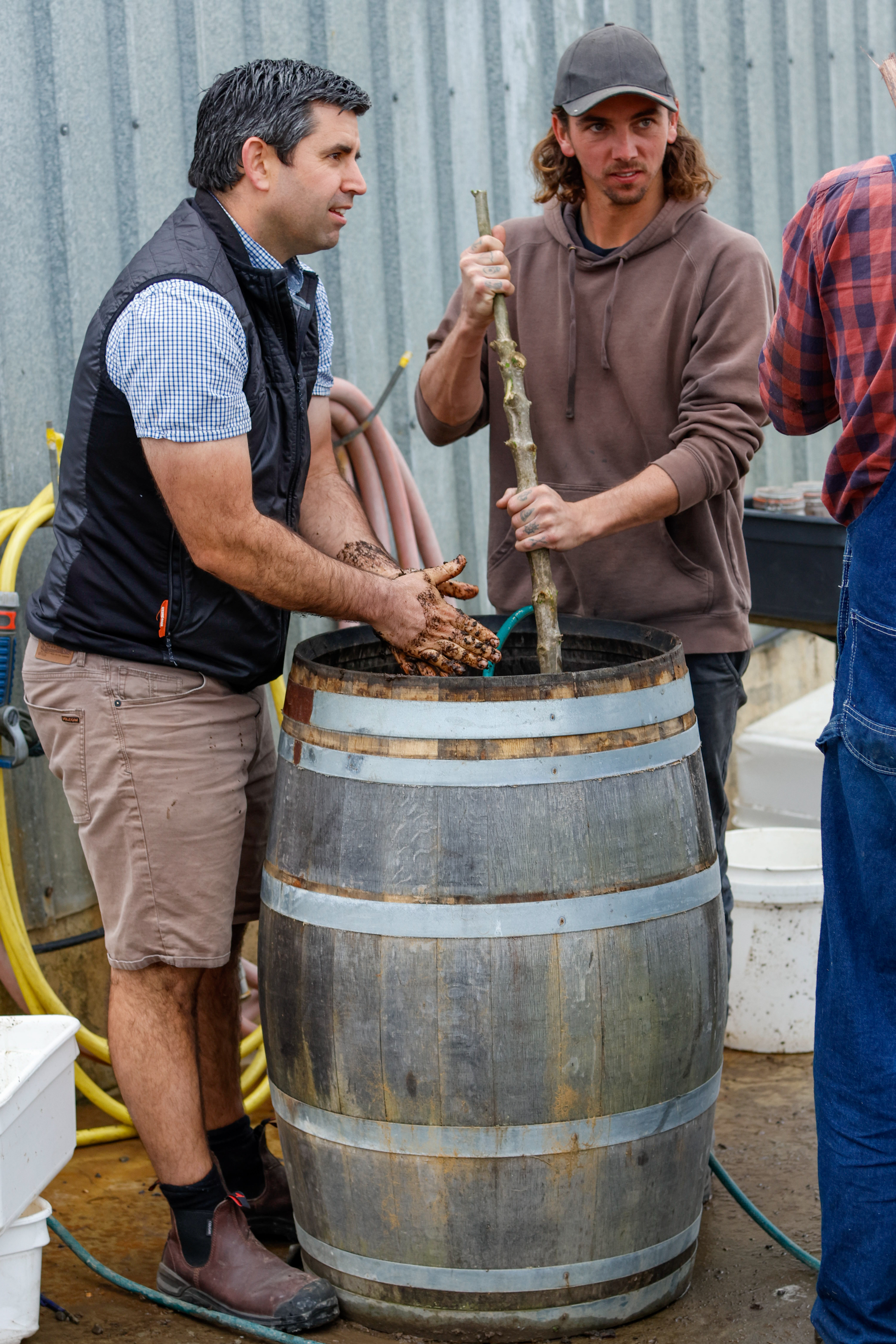
    At Te Mata Estate we do use organic and biodynamic techniques, alongside traditional winemaking. We’re also known for regenerative and precision viticulture.

    For us it’s a ‘toolkit’ approach we use – one where we have to see the results in the glass, This time of year our preparations are made up.

    In this picture viticulturist Brenton O’Riley shows new vineyard staff our process.


    Images courtesy of Te Mata Estate Vineyard Manager @carlgundersen


Join the Club

Join the Te Mata Club