




In 1996 the landscape surrounding Te Mata Estate was recognised within the Hastings District Plan as a Special Character Zone. The designation acknowledged the distinctive pattern of vineyards, orchards, farmland, and native bush that defines the hills behind Havelock North. For Te Mata, it affirmed a belief that had guided the estate for generations: that the character of the wine begins with the character of the land.
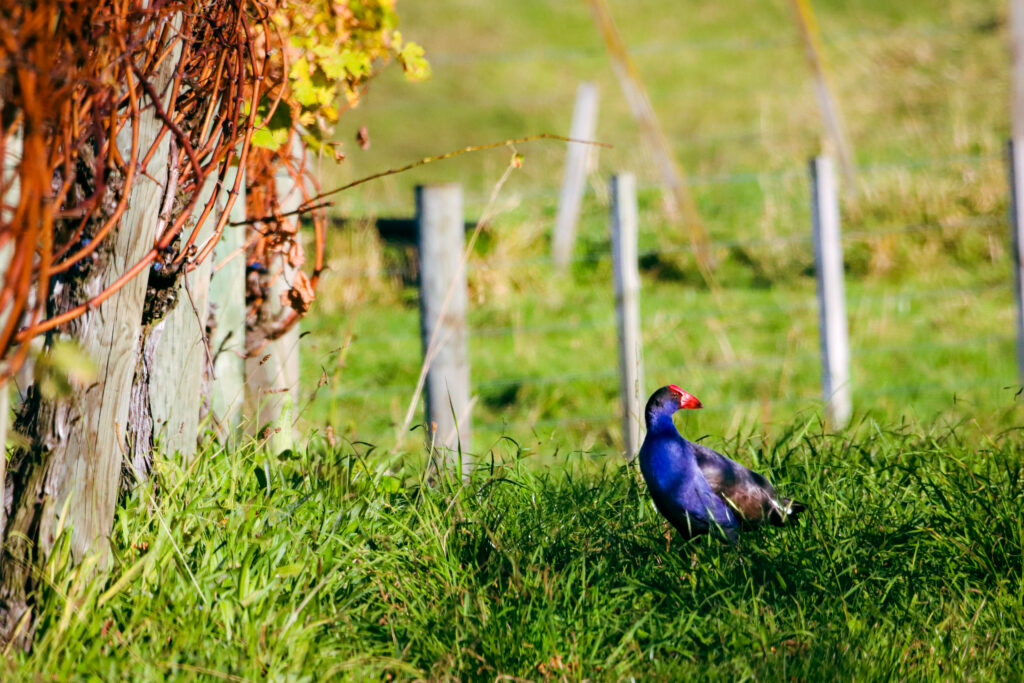
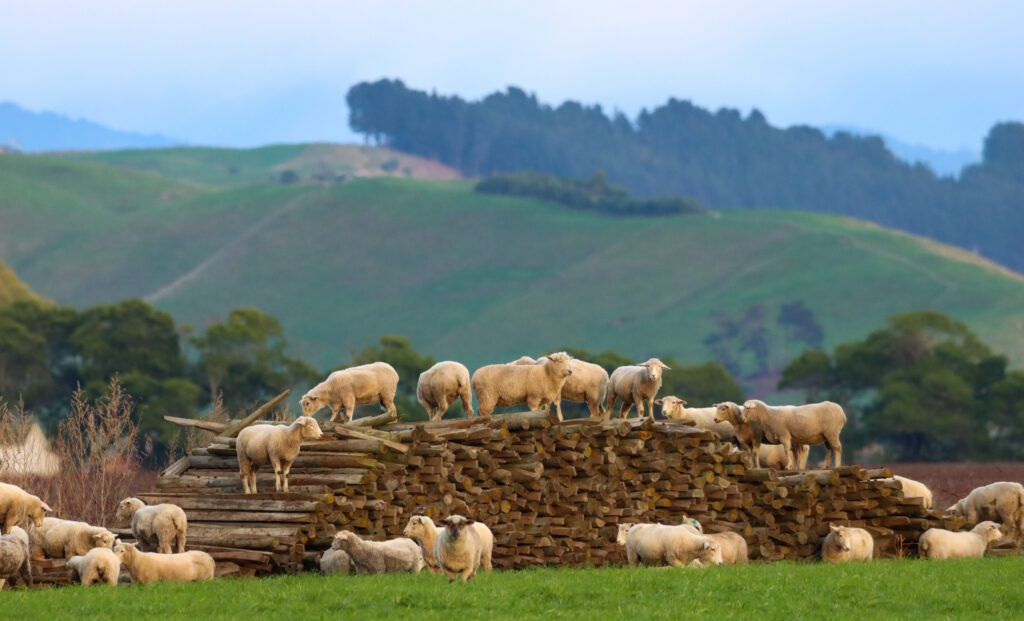
Today the estate extends across nearly 200 hectares of hillside and valley leading toward the Tukituki River. Vineyards sit alongside orchards, pasture, shelter belts, and areas of regenerating native forest, including the Waipātiki Native Bush Reserve. Rather than forming a continuous block of vines, the property retains the mixed agricultural landscape that has long shaped this part of Hawke’s Bay.

This diversity plays an important role in the health of the vineyards. Native plantings, orchard trees, and shelter belts support birds, insects, and other beneficial species that contribute to the balance of the ecosystem. Careful soil management and companion planting help maintain healthy vines while encouraging life throughout the property. The vineyards feel connected to the wider landscape rather than separate from it.
One of the most familiar sights above the estate is the daily presence of the New Zealand falcon, or kārearea, riding the thermals that rise from the warm hillsides. These native birds of prey patrol the vineyards and surrounding farmland, helping regulate populations of smaller pest birds. Their presence is both useful and reassuring, a visible sign that the ecosystem surrounding the vines remains healthy.
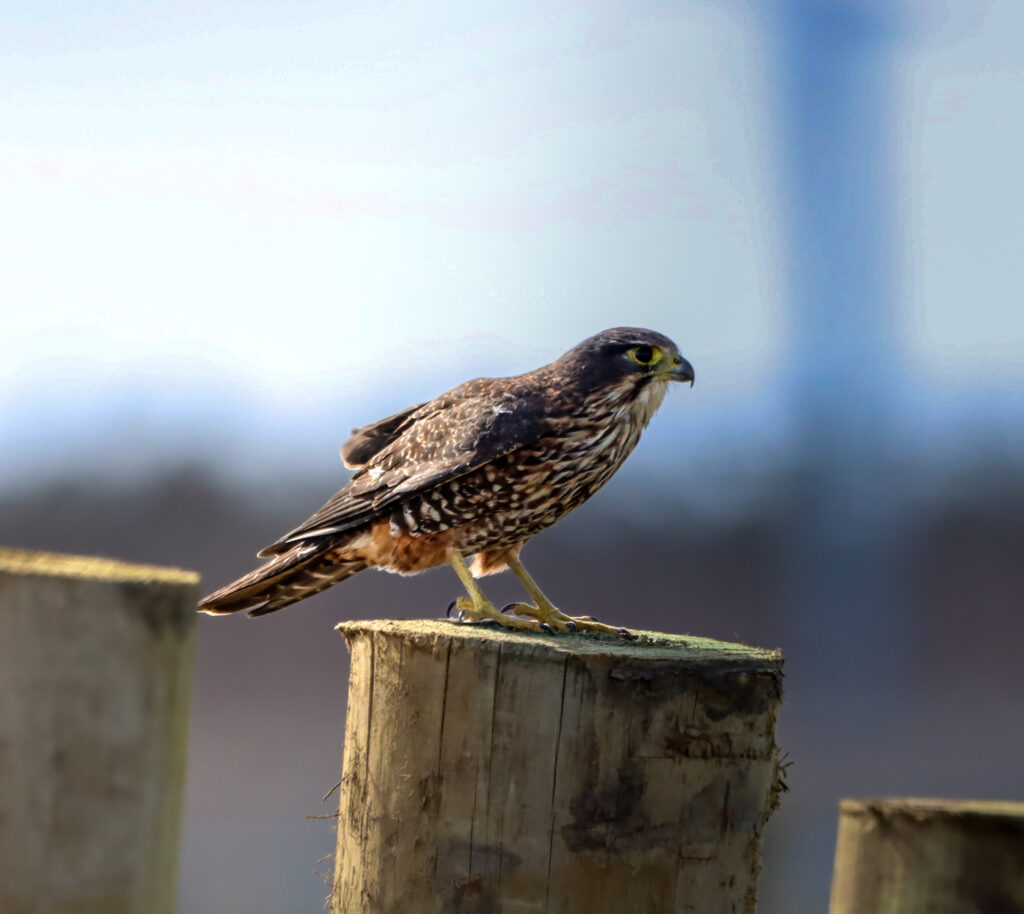
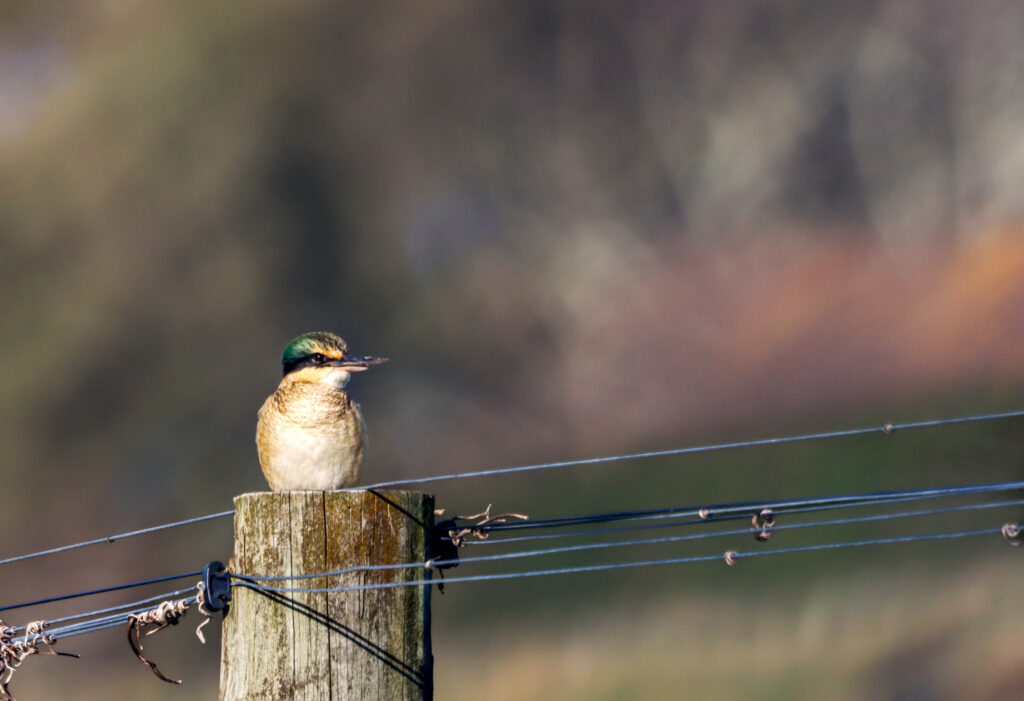
Over time, the increase in birdlife and native species across the estate has become one of the clearest indicators of environmental wellbeing. From the bush reserve to the vineyard rows, the land supports a wide range of life that thrives alongside the vines.
For Te Mata, caring for this landscape is part of a long tradition of stewardship. The health of the vineyards depends on the health of the soils, waterways, and habitats that surround them. By protecting the character of the land, the estate helps ensure that this place continues to produce distinctive wines while remaining a vibrant landscape for future generations.
\
\